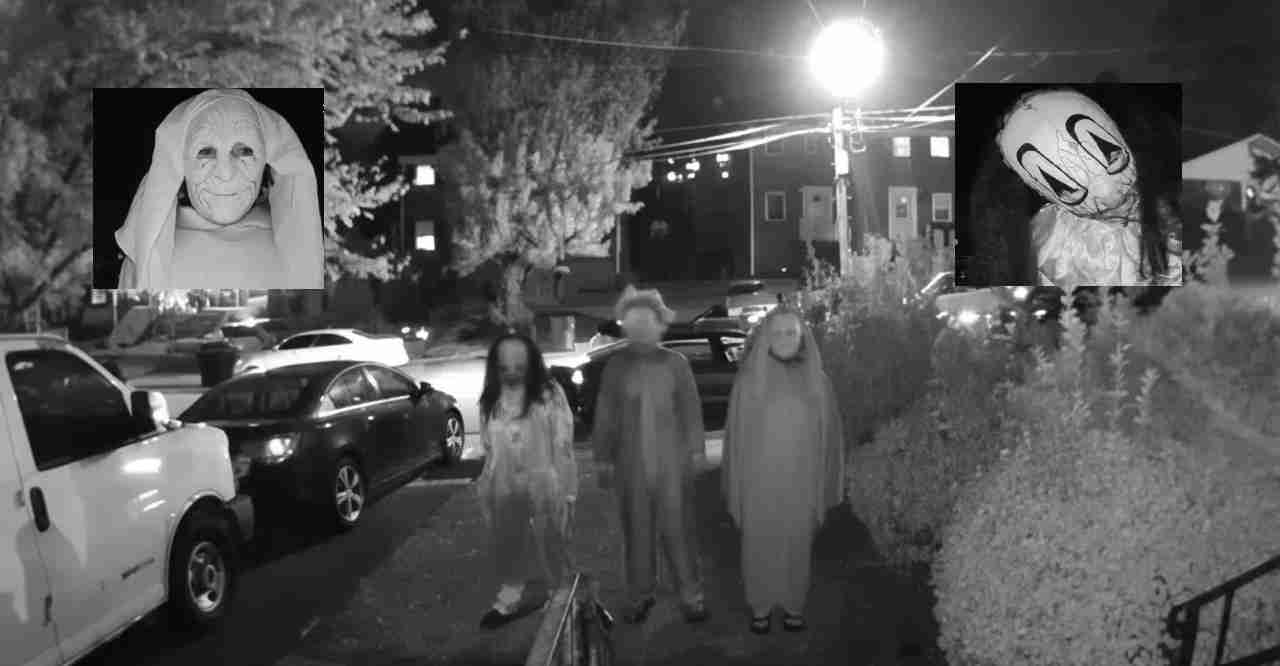
Viral Halloween break-in scare in Alexandria proved to be staged family prank, police say — more than 100 hours wasted investigating a dangerous stunt
Alexandria police say a viral Halloween “break-in” scare that prompted more than 100 hours of investigation was a staged family prank on Oct. 14, 2025 — a reckless stunt that endangered residents and diverted critical law‑enforcement resources.
- Staged by relatives: three masked family members staged the break‑in; additional relatives filmed the stunt.
- Heavy police response: detectives spent more than 100 hours following tips and reviewing footage before the admission.
- No public charges: homeowners declined to press charges and police are withholding suspects’ identities.
What happened: video, panic and the police response
On the evening of Oct. 14, 2025, security cameras recorded three masked figures approaching a home in a residential Alexandria neighborhood just south of Washington, D.C. One wore a clown mask, another a Michael Myers–style mask, and the third a nun costume. The trio banged on a front door, shouted threats — including lines described in video as “It’s your worst nightmare” and “We’ll kill you” — tried to force entry and damaged a backyard fence and screen. The clip, captured on a Ring‑style camera, rapidly spread online and generated widespread alarm.
Video sources: Video of the incident (clip 1) and Video of the incident (clip 2), widely shared on social media, spurred calls and tips to police.
Neighbors and viewers feared a real burglary attempt. A homeowner contacted a relative who arrived armed, increasing the risk of a deadly confrontation. Because the footage showed property damage and clear threats, Alexandria police treated the event as an attempted break‑in: detectives canvassed the neighborhood, reviewed multiple cameras and pursued tips for more than 100 hours until a woman admitted she had staged the incident with two sons and a nephew.
Alexandria Police Chief Tarrick McGuire: “This is a moral failure where consequences could result in deadly consequences.”
Family prank, not a crime spree — but still dangerous
Investigators concluded the masked trio were relatives of the residents and that the episode was a planned prank. Additional family members, including a child, reportedly assisted with filming. Because the homeowners declined to press charges, authorities did not publicly prosecute and are withholding the suspects’ identities.
Nonetheless, law enforcement leaders and legal experts warned the stunt carried serious risks. Experts told reporters that the combination of threats, property damage and an armed relative arriving on scene could have legally justified a use of force in self‑defense, transforming a “prank” into a life‑threatening situation.
The cost of viral fear: time, resources and community alarm
Beyond the immediate danger, the incident consumed substantial police resources. Chief McGuire said detectives spent more than 100 hours following leads and reviewing evidence — time diverted from other public‑safety needs. The viral clip also stirred anxiety among neighbors and amplified the scare regionally and briefly nationally.
Social media and news outlets amplified the footage, prompting warnings and community concern even after authorities determined the event had been staged.
Legal and moral fallout
Because the homeowners chose not to press charges, the family members were not publicly prosecuted. Still, police characterization of the stunt as reckless underscores potential criminal exposure: trespass, property damage, threats or provocation that leads to violence can all trigger legal liability. Officials emphasize that imitating violent crime is not harmless fun.
How social media and viral clips change the stakes
This episode illustrates how quickly a single clip can balloon into a public‑safety issue. Viral content often spreads before facts are verified, prompting emergency responses and community alarm. The Alexandria incident serves as a cautionary example of how online sharing can amplify fear and consume public resources.
Implications for Redding, California
Local leaders and residents in Redding can draw several lessons from Alexandria’s stunt:
Economic impact
Viral scares can pull police time away from routine patrols and investigations. In communities with tight budgets and staffing constraints, staged events that require lengthy investigations raise concerns about resource allocation and public‑safety priorities.
Political consequences
For electorates that emphasize law and order, incidents like this can increase pressure on elected officials to pursue stiffer penalties for dangerous stunts or to strengthen public messaging discouraging imitation.
Social effects
Dangerous pranks erode neighborhood trust and can normalize risky behavior among youth. Community groups, religious organizations and families may need to reinforce responsibility and deter copycat acts that imitate violent crime.
Cultural relevance
The clip highlights cultural divides over what constitutes acceptable humor versus what is reckless and potentially criminal. Leaders may use the event to promote accountability and neighborly care.
Practical applications for residents
- Secure doors, screens and fences; keep clear records of permission for entry.
- Limit unsupervised social‑media posting of stunts; discuss legal and safety risks with children.
- If you witness a suspicious incident, call police and avoid escalating the situation yourself.
- If someone proposes a surprise or prank, talk it through and consider consequences before acting.
Sources and coverage
- Fox News
- FOX5 DC (WTTG)
- Video of the incident (YouTube clip 1)
- Video of the incident (YouTube clip 2)
- Times Media Service reporting based on local law‑enforcement statements and the coverage above.
Authorities urge anyone considering pranks that imitate criminal acts to stop and think — the potential for deadly consequences, legal exposure and the strain on emergency responders and neighbors is real.