
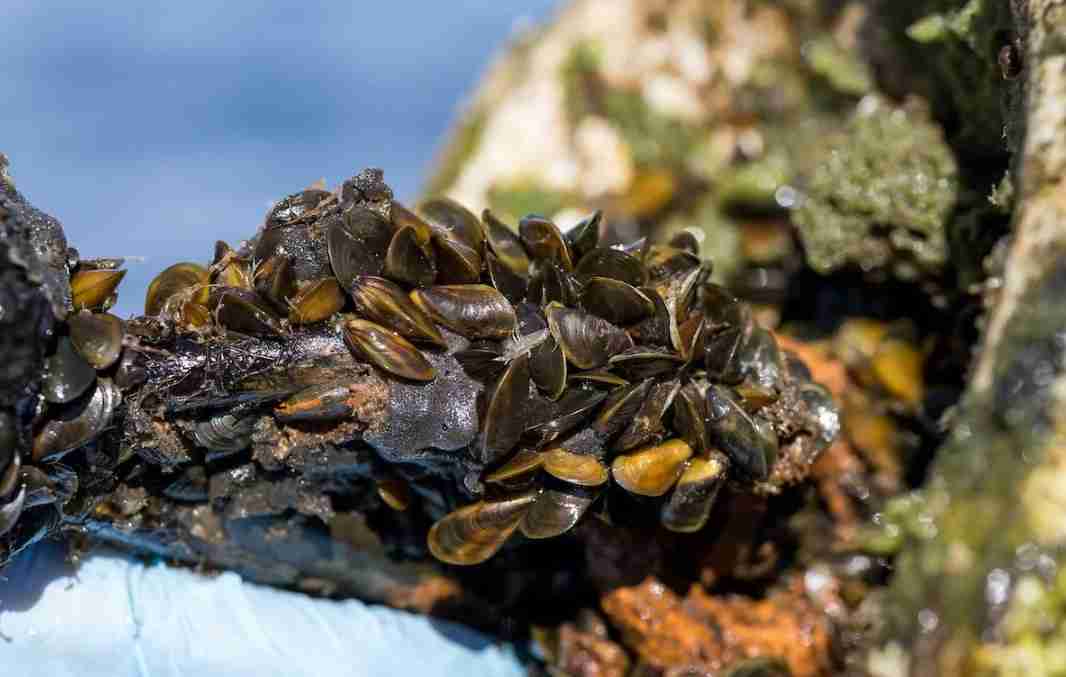
Invasive Golden Mussels Reach Southern California Reservoirs, Threatening Water Infrastructure and Local Economies
The invasive golden mussel (Limnoperna fortunei) has been detected at Silverwood Lake and Pyramid Lake, marking a troubling southern spread that threatens California’s reservoir infrastructure, native species, and local economies dependent on reliable water delivery and recreation.
Key takeaways
- New detections: Golden mussels confirmed at Silverwood Lake and Pyramid Lake by state agencies.
- High risk: Mussels clog pipes and pumps, increase harmful algal bloom risk, and are effectively incurable once established.
- Action required: Managers tightened boat procedures and emphasize Clean, Drain, Dry to slow spread.
Detection and spread
Routine monitoring picked up golden mussels at both Silverwood and Pyramid lakes, a finding verified by state agencies and prompting updated public protocols for boaters and reservoir managers. The detection followed the species’ first California appearance in October 2024 in the Delta, likely introduced by ballast water from ocean-going ships at the Port of Stockton (routine testing; introduction analysis).
Silverwood and Pyramid Lake: what managers changed
Silverwood Lake managers stopped entry inspections because the infestation is already present. Instead, managers now require outbound measures designed to limit further spread: boaters must pull drain plugs before leaving and follow Clean, Drain, Dry steps before launching at other waters (new rules).
Pyramid Lake already had exit inspections after quagga mussels were found in 2016; that program remains active to intercept mussels and larvae leaving the reservoir (inspection program).
Ecological and economic risks
Golden mussels are small but prolific filter feeders that attach to hard surfaces and form dense colonies. Consequences include:
- Clogging of pipes, intakes and pumps — threatening treatment plants, irrigation systems and municipal supply.
- Damage to boats and recreational gear, and harm to native species through competition and habitat change.
- Altered nutrient dynamics that can boost conditions for harmful algal blooms, threatening fish, pets and people who use affected waters (harmful algal bloom concerns).
There are no proven methods to eradicate established golden mussels; control options are costly and limited, making early detection, containment and public cooperation the primary defenses (state advisory).
Statewide picture and surveillance
The species has been confirmed across more than 300 miles of California, from Bakersfield to Lake Oroville, with veligers (larvae) detected at other sites such as Lake Palmdale. State and local agencies are coordinating surveillance, research and infrastructure protections to keep tap water flowing and farms irrigated (spread overview).
What boaters and homeowners should do now
Officials urge everyone using boats or water gear to follow Clean, Drain, Dry before moving equipment between bodies of water. At infested sites, boaters must:
- Drain bilges and livewells and remove mud, plants and debris.
- Let trailers, boats and gear dry completely before visiting other waters.
- Report unusual shells or clusters to state hotlines and local agencies immediately.
How the mussel likely arrived
Investigations point to ballast water from ocean-going vessels as the original vector into the Sacramento–San Joaquin Delta in late 2024. Once in inland systems, golden mussels spread via water flow and by hitchhiking on recreational boats and gear — underscoring the role of stricter port controls and faster inland inspections (reporting on spread vectors).
Costs, politics and implications for Redding
Economic impact: Redding and Shasta County rely on dependable water for homes, farms and businesses. If mussels reach the Sacramento River system, local managers may face higher treatment and repair costs that could lead to higher utility bills or reduced services (infrastructure risk).
Political consequences: Local leaders are likely to press for state and federal funding and stricter ballast-water enforcement. Constituents who prioritize fiscal responsibility may push for targeted monitoring and repair budgets rather than sweeping mandates (policy context).
Practical steps for local officials: inventory vulnerable infrastructure, budget for inspections and parts replacement, coordinate response plans with state agencies, and support public outreach and hotlines for rapid reporting.
Sources and further reading
- California Department of Water Resources news release
- Water Education Foundation background
- KPBS reporting on water threats
- Keep Tahoe Blue overview
- California Department of Fish and Wildlife notice on veligers
Bottom line
State and local officials urge calm, rapid reporting and cooperation. Time and careful action will determine whether southern California infestations become manageable challenges or long-term strains on the region’s water systems and economies.



