Yellowstone’s Echinus Geyser Reawakens: World’s Largest Acidic Geyser Erupts About 40 Times in Rare February Display
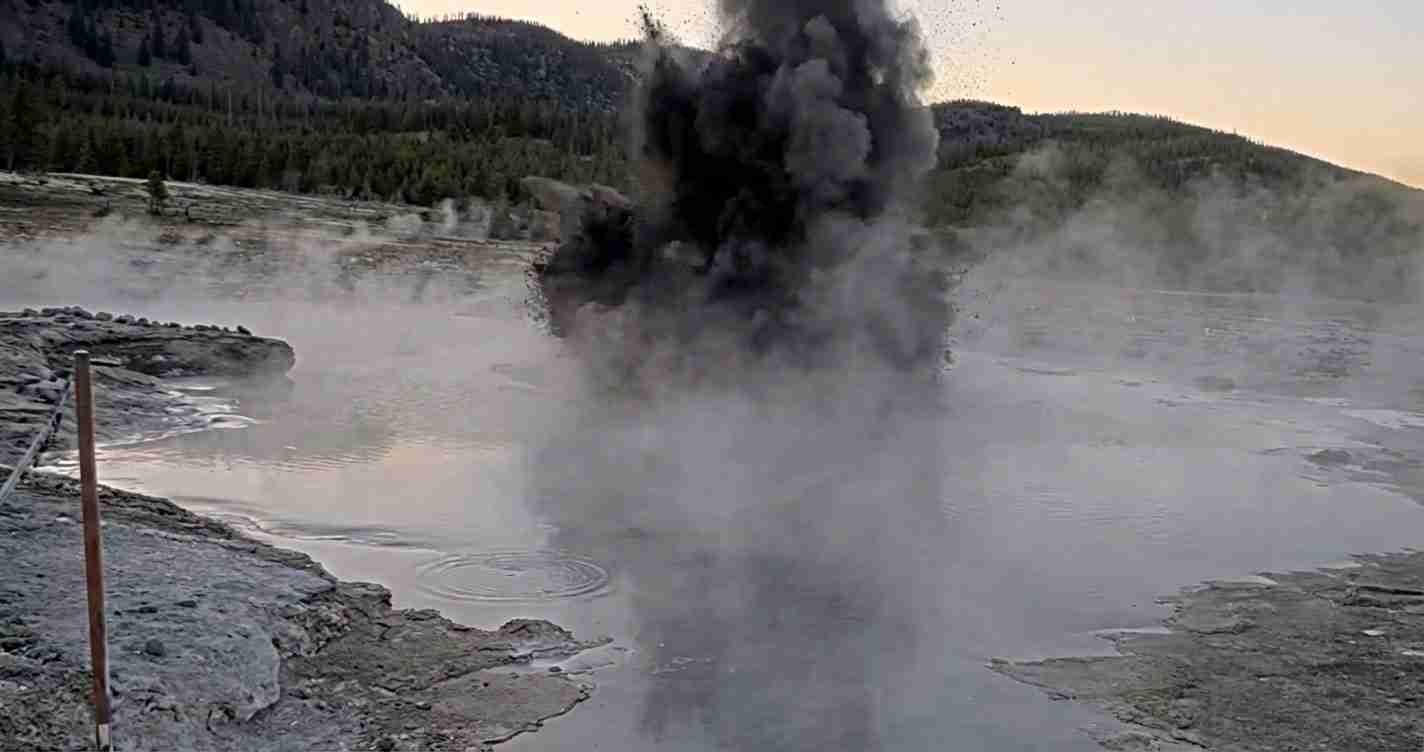
Echinus Geyser in Yellowstone’s Norris Geyser Basin erupted about 40 times in February 2026, ending nearly six years of dormancy with 20–30-foot bursts observed by park staff and researchers, signaling renewed hydrothermal activity but not volcanic unrest.
Key takeaways
- Reawakening: Echinus resumed eruptions on Feb. 7, 2026 and produced roughly 40 eruptions through February — sources: NDTV, ABC News.
- Behavior: Most blasts lasted 2–3 minutes, reached about 20–30 feet, and the pool refilled over roughly an hour — monitoring and observations from the USGS.
- Cause: Scientists call the events hydrothermal (plumbing and water-chemistry changes), not magmatic — see the USGS report.
Main report
What happened this February
Echinus sat quiet since December 2020 until the first eruption on Feb. 7, 2026. Short bursts followed on Feb. 9, 12 and 15, then activity surged on Feb. 16 when the USGS recorded eruptions every two to five hours. Video and on-site reports show small fountains reaching 20–30 feet, each lasting a few minutes; most eruptions lasted about two to three minutes and the pool level often fell sharply, requiring roughly an hour to refill. Activity slowed by late February but temperature spikes in early March indicate the hydrothermal system remains active beneath the surface. Sources: NDTV, ABC News, USGS, KTVQ, video footage.
Where Echinus sits and what makes it different
Echinus is located in the Back Basin of the Norris Geyser Basin, one of the park’s most active hydrothermal areas. The vent is about 66 feet across, with a deep red rim caused by iron, aluminum and arsenic minerals and spiny, silica-coated rocks that give the pool a sea‑urchin appearance — the name “Echinus” derives from Latin for sea urchin. Sources: ABC News, KTVQ, NDTV.
What sets Echinus apart: its water is acidic — measured pH values range from about 3.3 to 3.6 (similar to orange juice or vinegar) and temperatures can reach about 176.5°F (80.3°C). On many acidic geysers, strong acid can erode conduit rock, but USGS scientists say Echinus’s acidity arises from a mix of acidic gases and more neutral waters; that mixture appears insufficient to rapidly dissolve the geyser’s plumbing, allowing the system to survive episodic eruptions. Sources: NDTV, KTVQ, USGS.
History and patterns of activity
Echinus was once a more reliable, regularly erupting feature that attracted visitors to benches and viewing platforms. Activity declined after 1998 when a secondary water source changed or diminished. Small active phases occurred in 2017–2019; between October 2010 and January 2011, after a temperature monitor was installed, the geyser produced 15 sporadic eruptions. In October 2017 it briefly resumed consistent eruptions before stopping again. The February 2026 pattern resembles that short-lived activity from 2017. Sources: NDTV, KTVQ.
Why scientists think it happened
USGS scientists describe Echinus’s recent behavior as hydrothermal — driven by heated groundwater and steam rather than new magma.
Triggers for hydrothermal bursts can include shifts in water supply, mixing of gases and water, and partial obstruction or “clogging” of the geyser’s plumbing that allows pressure to build before release. The USGS emphasizes these events do not indicate increased magmatic activity beneath Yellowstone. Source: USGS.
Regional context inside the basin
Norris Basin showed other signs of movement in February 2026. Steamboat Geyser, one of the world’s tallest vents and roughly 600 feet from Echinus, had a water eruption on Feb. 27. The USGS recorded 74 small earthquakes in Yellowstone that month, the largest a magnitude 2.4; these fit normal background activity. Scientists reiterate that the current alert level for the Yellowstone volcano remains at normal and that recent events are hydrothermal, not magmatic. Source: footage and reports, USGS.
Safety and park management
Park managers and scientists caution visitors to remain on boardwalks and follow National Park Service guidance: hot pools and vents can be scalding and acidic and the ground can change with little warning. The park has closed or restricted some viewing areas when conditions were unsafe. Officials stress hydrothermal variability is expected and to check official updates before visiting. Sources: USGS, National Park Service reporting via news outlets including ABC News.
Implications for Redding, California
Local communities like Redding may see modest economic, social and political effects tied to renewed interest in Yellowstone:
- Economic impact: Travel planners, outfitters, RV parks and small hotels in Northern California and the Mountain West could see increased interest; auto shops, outdoor gear stores and grocery suppliers may benefit.
- Political consequences: Constituents may press for targeted funding for park infrastructure, access improvements and safety measures; the event can be used to advocate predictable, accountable maintenance funding.
- Social effects: Schools and community groups could organize educational trips, talks and geology programs that boost civic engagement and stewardship.
- Cultural relevance and practical tips: Redding’s outdoor-oriented population may use the event to celebrate preservation; travelers should check USGS and National Park Service updates, plan for winter road/weather conditions, and emphasize safety on boardwalks.
Sources and further reading
- NDTV: “World’s Largest Acidic Geyser in Yellowstone Erupts After 6 Years”
- ABC News: “Yellowstone’s rare acidic geyser active after years of dormancy”
- USGS Yellowstone Volcano Observatory: “Echinus Geyser back in action”
- KTVQ: “World’s largest acidic geyser erupts again in Yellowstone after years of silence”
- Video and basin footage
Reporting from Times Media Service, compiled with statements and data from the USGS and national reporting outlets.