
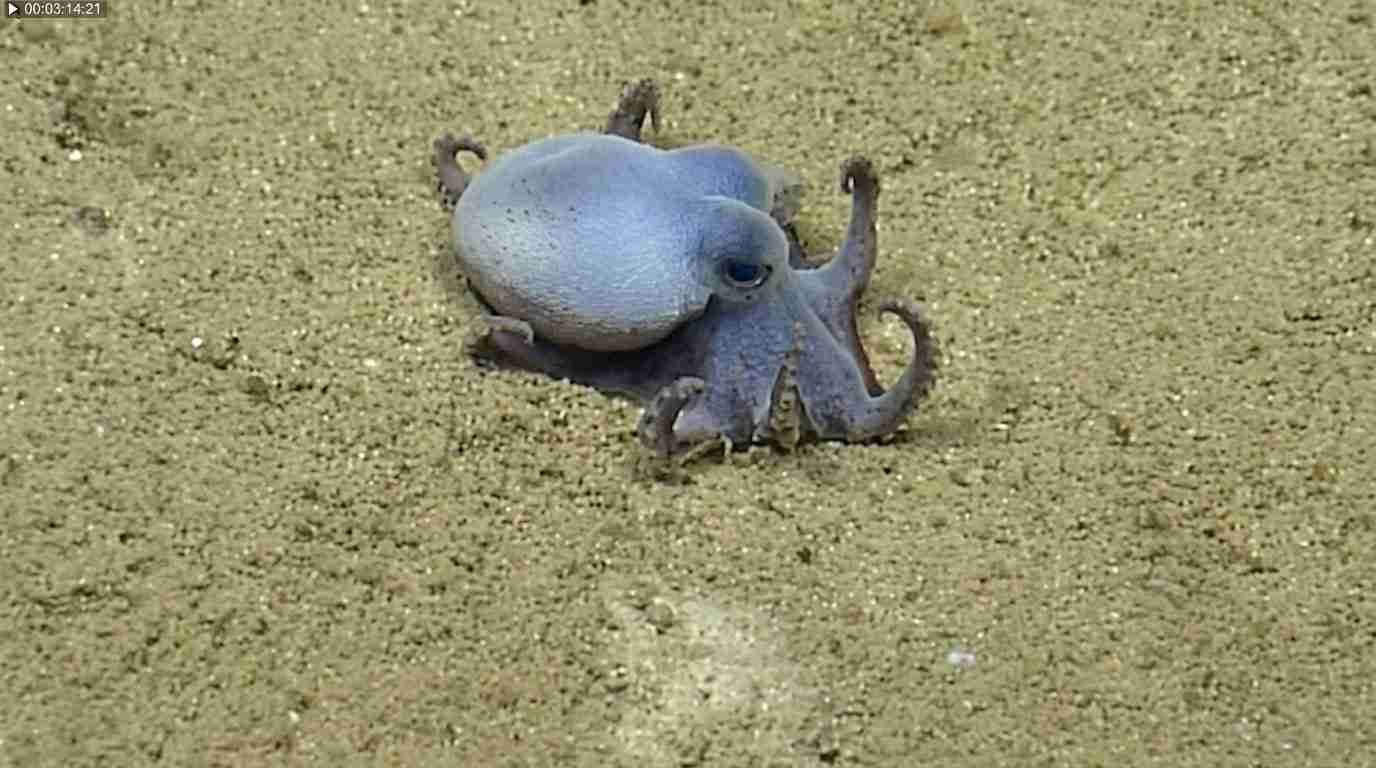
Tiny blue octopus spotted in Galápagos deep sea spotlights ongoing discoveries — but some key details remain unverified
Scientists report a tiny blue octopus purportedly from the Galápagos deep sea amid expeditions that have revealed more than 30 new marine invertebrates, but several specifics about the octopus—including its name and collection details—remain unverified.
Key takeaways
- Broad pattern verified: Galápagos deep-sea expeditions using ROVs continue to return many new marine invertebrate records, documented in public expedition summaries and briefings such as the Galápagos deep sea discoveries video summary.
- Specific octopus claims unconfirmed: The name Microeledone galapagensis, the stated 2015 collection date, the cited depth (~5,800 ft) and some institutional involvements could not be independently verified in supplied sources.
- Methods are standard: ROV collection and non-destructive imaging (CT/micro-CT) are established workflows in modern deep-sea taxonomy (Micro-CT and deep-sea species context, Micro-CT overview video).
- Local relevance: The story suggests opportunities for Redding-area education, workforce development and practical tech applications even if some octopus details remain provisional.
Discovery and the claims
Researchers exploring deep, cold, low-light habitats around the Galápagos use remotely operated vehicles (ROVs) to collect fragile animals from depths beyond human reach. Several public accounts describe a tiny blue octopus allegedly collected by an ROV and later presented as a new species.
Claimed sequence: specimens recovered by ROV, taken to the Charles Darwin Research Station, and studied with micro-CT scans by experts (including a cited role for Janet Voight at the Field Museum), culminating in the name Microeledone galapagensis.
What is verified: Galápagos deep sea discoveries and methods
Public reporting and institutional summaries confirm the broader context of continuing discovery in Galápagos deep waters:
- Recent expeditions have produced lists and video briefings showing more than 30 new marine invertebrate records, including squat lobsters, cup corals, bamboo corals, brittle stars and sponges; see the Galápagos deep sea discoveries video summary.
- ROVs are standard for deep-sea sampling; institutional write-ups describe how they collect delicate organisms and transfer specimens for lab study (example: Scripps report on deep-sea discovery and ROV methods).
- Non-destructive imaging such as CT and micro-CT is increasingly used to examine internal anatomy and support species descriptions without cutting specimens (see Micro-CT context and the micro-CT overview video).
Details that could not be independently verified
While the overall pattern of discovery and methods is well supported, key specifics in the supplied narrative lack corroboration in peer-reviewed literature, institutional press releases or established science outlets:
- The formal existence of a species named Microeledone galapagensis could not be confirmed in available taxonomic databases or primary literature tied to the provided sources.
- The asserted 2015 collection year, the cited depth of ~5,800 feet, and the described chain of custody (Charles Darwin Research Station → Field Museum) were not corroborated by the publicly available links supplied.
- Because of those gaps, specific assertions about the octopus should be treated as provisional until a formal peer-reviewed description or a primary institutional release is located.
Sources and context used for verification
This account relies on public sources that corroborate the broader context but do not confirm every detail about the tiny blue octopus. Key sources used:
- Galápagos deep sea discoveries video summary
- Micro-CT and deep-sea species context
- Micro-CT overview video
- Pensoft blog on a tiny new plant in western Ecuador (regional biodiversity context)
- Aurora Expeditions write-up on a new tree frog
- Travel summary of Ecuador’s wildlife
Investigative note on sourcing
Responsible reporting: it is essential to separate verified facts from plausible but unconfirmed claims. The materials provided sketch a credible workflow — ROV recovery, specimen curation, and micro-CT study — but the supplied sources did not contain the original taxonomic paper or definitive institutional confirmation for all octopus-specific assertions.
“Readers should expect a formal peer‑reviewed paper or an institutional release to confirm the octopus’s name, collection date, depth and chain of custody.”
If requested, the reporting team can pursue direct confirmation from the Charles Darwin Research Station, the Field Museum or potential authors of a taxonomic description naming Microeledone galapagensis.
Implications for Redding, California
Though the discoveries occur far from Northern California, they carry local economic, political, educational and cultural implications:
- Economic: demand for lab work, imaging technology and data analysis can create grant and partnership opportunities for local colleges and tech training programs.
- Political/policy: the Galápagos Marine Reserve example supports pragmatic conservation: clear rules and enforcement can yield scientific and economic returns that align with property‑rights‑friendly stewardship.
- Social/educational: the story is a teachable moment for K–12 and community college STEM programs—ROVs and CT imaging are tangible hooks for career pathways.
- Cultural/practical: remote‑vehicle, imaging and data skills have civilian and commercial spin‑offs (infrastructure inspection, environmental monitoring) that could support local small businesses.
Local leaders in Redding who want to attract research dollars should emphasize keywords such as Galapagos deep sea discoveries, new marine invertebrate species and ROV deep sea exploration in proposals and outreach to align with funding priorities.



