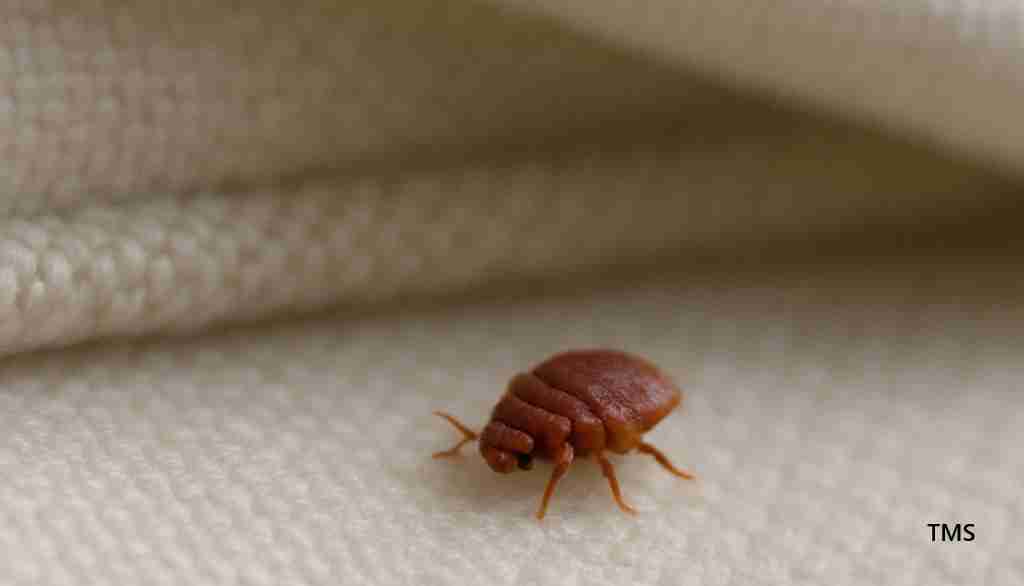
Chicago Tops Orkin’s 2025 Bed Bug Cities List Again; Midwest Cities Dominate
For the fifth straight year, Chicago ranks No. 1 on Orkin’s 2025 Top 50 Bed Bug Cities List, with several Midwest metros in the top 10 — a pattern that spotlights travel-related spread and urban housing vulnerabilities.
Key takeaways
- Chicago holds the top spot for the fifth consecutive year on Orkin’s Top 50 Bed Bug Cities List.
- Midwest concentration: Several Midwest and Great Lakes metros — including Cleveland, Detroit and Indianapolis — drive a strong regional pattern in the top 10.
- List measures treatment demand: Orkin’s ranking is based on technician treatments between May 15, 2024 and May 14, 2025, not a direct infestation census.
- Experts warn bed bugs are resilient and can spread via travel and transient populations; prevention and rapid response reduce long-term costs.
Orkin’s methodology and what the list measures
Orkin compiles the list from the total number of bed bug treatments performed by its technicians in residential and commercial settings across metropolitan areas during a 12‑month window (May 15, 2024–May 14, 2025). The ranking therefore indicates treatment demand — influenced by population size, travel volume and Orkin service calls — rather than an absolute count of infestations. See Orkin’s full explanation on the Orkin press room and the PR Newswire release for details.
Top 10 cities and the Midwest pattern
Orkin’s Top 10 for 2025 highlights a strong Midwest presence alongside major travel hubs:
- Chicago
- Cleveland
- Detroit
- Los Angeles
- Indianapolis
- Washington, D.C.
- Grand Rapids, MI
- Columbus, OH
- Champaign, IL
- Milwaukee
Analysts cite dense urban housing, large rental markets, heavy travel and concentrated hospitality sectors as drivers of the Midwest concentration seen in the list. Coverage and analysis are available from PCT Online and CBS Chicago.
Notable movements in the list
The list can shift quickly: Hartford climbed 48 places to No. 35, while larger markets such as New York (No. 15), Philadelphia (No. 24) and Charlotte (No. 31) moved down — illustrating that local controls, awareness and short-term outbreaks affect treatment demand. See the official summary at the PR Newswire release.
Expert voices: why bed bugs persist and how to guard against them
“Bed bugs hide, reproduce quickly and are increasingly resistant to some insecticides,” said Dr. Ben Hottel, technical services manager at Rollins (Orkin’s parent company). Rapid detection and professional treatment are key to control.
Pest professionals emphasize prevention and traveler vigilance. Orkin’s traveler guidance is summarized under the S.L.E.E.P. checklist:
- Search hotel rooms for signs of bed bugs.
- Lift bedding and furniture cushions to inspect.
- Elevate luggage off beds and floors.
- Examine luggage during and after travel.
- Place clothing in the dryer on high heat for 30–45 minutes after travel.
Why travelers and businesses should pay attention
Bed bug encounters can disrupt travel, harm reputations and impose significant remediation costs on hotels, motels and rental properties. Cities with busy convention schedules, large airports and dense downtown lodging — such as Chicago and other Midwest hubs — face greater exposure due to high traveler turnover. Industry coverage on implications for lodging and hospitality is available via CBS Chicago and PCT Online.
Public policy and local government roles
Orkin’s list prompts policy questions about inspections, tenant protections and business oversight. Local governments can encourage prevention through targeted inspections, clear reporting channels and voluntary certification programs that respect property rights while promoting public health. The data suggest collaboration between pest professionals, property owners and health departments is most effective.
Implications for Redding, California
Economic impact: Redding’s lodging and tourism depend on a clean reputation. A single high-profile incident can reduce bookings, damage reviews and cost businesses thousands. Local innkeepers should document routine inspections and prevention steps to reassure guests.
Political consequences: Officials in Redding can balance limited-government values with public health by prioritizing education, voluntary reporting tools and owner-led prevention programs rather than heavy-handed mandates.
Social effects: Bed bugs disproportionately affect renters and lower-income households. Charities, faith groups and civic organizations can help vulnerable residents access licensed pest control services. Schools and childcare centers should follow clear guidance to avoid unnecessary exclusion while addressing sightings promptly.
Cultural relevance: Framing prevention as a partnership — emphasizing personal responsibility and local business resilience — aligns with Redding community norms. Voluntary inspection certificates and business-led quality assurance programs may be most acceptable locally.
Practical applications for Redding residents
- Travelers: Use the S.L.E.E.P. checklist: inspect rooms, keep luggage off beds, and run clothing through a hot dryer after travel.
- Landlords and innkeepers: Document inspections, respond quickly to reports, and hire licensed pest professionals; early treatment reduces costs and reputational harm.
- Local policymakers: Prioritize clear reporting channels and education; encourage partnerships with licensed exterminators and community organizations to assist low‑income households.