
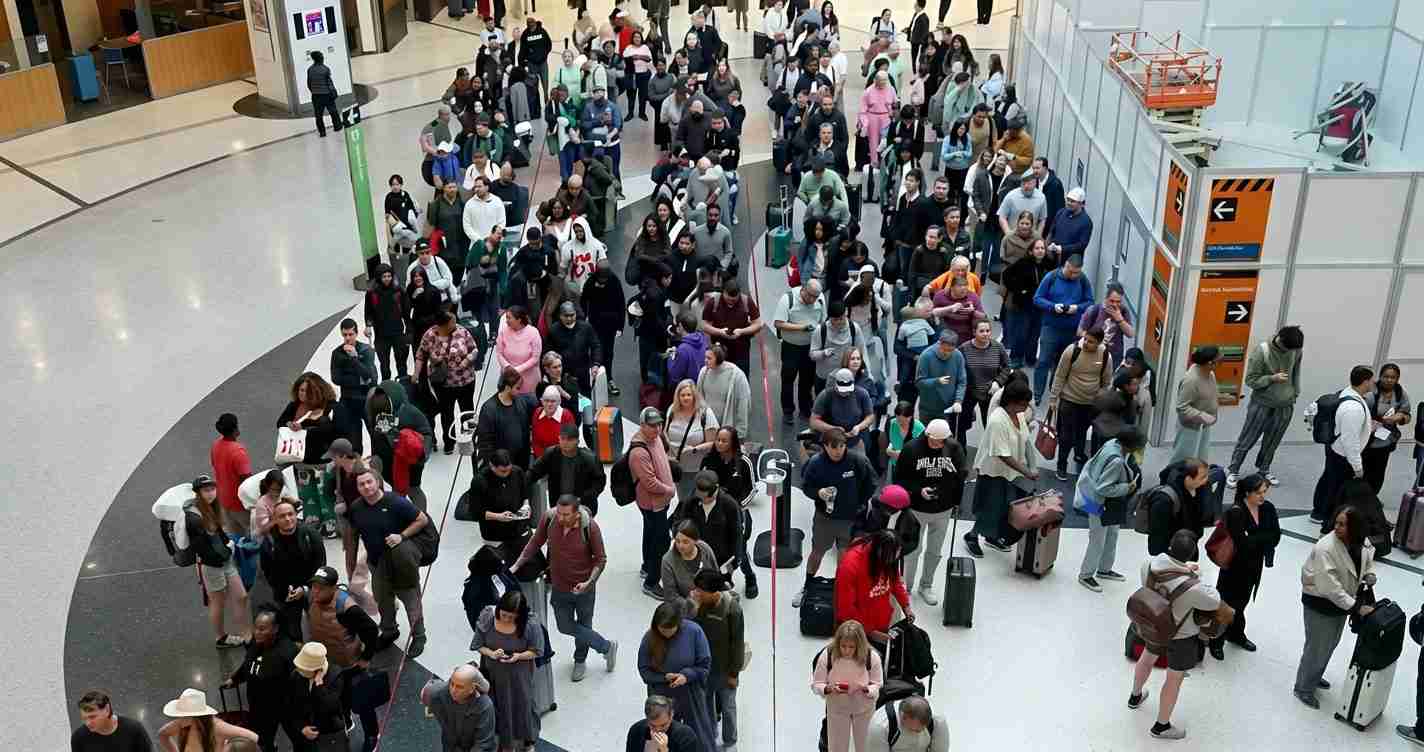
Trump deploys ICE to airports as DHS shutdown deepens, aiming to ease TSA staffing crisis
President Donald Trump announced March 22, 2026, that ICE agents will be deployed to U.S. airports beginning March 23 to assist understaffed TSA officers amid a five-week partial DHS shutdown, aiming to reduce severe passenger delays and security concerns.
Key takeaways
- ICE to assist TSA: The administration says ICE agents will perform non-specialized tasks to free trained TSOs for screening duties (Axios, Time).
- Details remain scarce: Officials have not released exact numbers, airport locations or full operational roles for ICE agents (Axios).
- Civil-liberties and safety concerns: Unions and groups warn the plan risks security gaps, confrontations and chilling effects on travelers (ACLU, Time).
- Local stakes: Small airports such as Redding Municipal could see economic, social and political impacts depending on how screening and enforcement are handled (Axios, Time).
Main content
Trump’s announcement and White House frame
On March 22, 2026, President Trump posted that ICE would be “going to airports to help our wonderful TSA Agents,” blaming “Radical Left Democrats” for the shutdown and for leaving travelers exposed. The White House pointed reporters back to the president’s post when asked what ICE would do at airports; acting DHS officials described the plan as using “every available resource” to help travelers through long lines (Axios, Time).
Background: What led to the DHS shutdown
The partial DHS shutdown began in mid-February after a political standoff over proposed reforms to ICE and Customs and Border Protection. Democrats sought limits on enforcement at sensitive sites, body cameras, clearer identification and other changes following January shootings in Minneapolis that involved federal immigration agents. Republicans resisted separating funding for TSA, the Coast Guard and FEMA from ICE enforcement; multiple measures to reopen DHS have failed since mid-February (Axios, Time).
TSA staffing crisis and passenger impacts
TSA has faced severe staffing problems for months, with mass resignations and absences linked to pay lapses during the shutdown. One recent week saw 366 TSA officers resign, and some smaller airports warned they might close screening operations. The staffing gaps have produced long lines, flight delays and traveler frustration during a busy spring travel season; the administration says ICE deployment aims to reduce those lines by letting trained TSA screeners focus on technical work (Axios, Time).
Deployment plans and unknowns
White House border czar Tom Homan said he was coordinating with acting ICE Administrator Todd Lyons to free up TSA officers for core duties like X-ray and body-scanner operations. Homan described ICE’s role as performing “non-specialized tasks,” such as guarding exits or verifying IDs, and not operating screening machines—which require months of training. Officials have not released specifics on how many officers will be deployed, which airports will see them first, or whether any will conduct immigration enforcement actions at airports; plans remained fluid as details were finalized (Axios, Time, video report).
Immigration enforcement component
President Trump said operations would include immigration enforcement and called for immediate arrests of “all Illegal Immigrants” he tied to recent incidents. Homan confirmed routine airport immigration enforcement would continue. Civil-rights groups and some Democrats warned that mixing enforcement and passenger processing could lead to wrongful detentions and create fear among travelers (Axios, Time, ACLU).
Reactions from unions, experts and groups
- TSA unions: Leaders called the plan dangerous, warning that placing untrained ICE agents in screening areas could create security gaps (Axios).
- Flight attendants’ unions: Said deploying ICE instead of funding TSA risks manufactured chaos (Axios).
- ACLU: Called the move unprecedented, warning that armed ICE agents in passenger areas would instill fear and could be used for political retribution (ACLU).
- Experts: Former TSA chief John Pistole said there may be no legal bar to the plan but called it unwise and risky for missed threats or dangerous confrontations (Axios).
Legal and security risks
Experts warn that inserting untrained personnel into passenger-processing areas carries safety risks: TSA screening requires specialized training that takes months, and pulling trained screeners away—or replacing their control of areas—could create gaps in screening effectiveness. There is also concern about passenger confrontations with ICE agents and the possible chilling effect on lawful travelers (Axios, Time, ACLU).
Political context and next steps
Democrats have blocked funding measures seeking policy reforms to ICE and CBP after the Minneapolis incidents; Republicans oppose funding TSA, the Coast Guard and FEMA if it means limiting enforcement. The White House offered limited concessions, including restricted body-camera usage and sensitive-location limits, but Democrats said those fell short. Officials said operational details would be finalized quickly and the public should expect updates on which airports will receive ICE assistance and what tasks agents will perform (Axios, Time, video report).
Implications for Redding, California
Economic impact: Redding’s airport and travel-dependent businesses could see direct effects if screening at small airports becomes unstable. Temporary reductions or closures at regional airports could cost hotels, rental-car firms and tourism operators revenue. Conversely, faster screening at Redding Municipal Airport could help travelers during spring and summer seasons; uncertainty may deter some travelers (Axios, Time).
Political consequences: The deployment may energize conservative voters in Shasta County who view it as decisive border action, while local Democrats and civil-rights advocates may oppose armed immigration agents in terminals—making the issue a local campaign flashpoint ahead of elections (Axios, ACLU).
Social effects: Immigrant families in Redding may fear traveling through airports if ICE conducts enforcement actions in terminals, potentially affecting school attendance, business travel and family visits. Community groups and faith leaders may organize to monitor operations or provide legal support (Time, ACLU).
Practical advice: Travelers from Redding should check the status of Redding Municipal Airport and carriers before heading to the airport, allow extra time for screening, carry identification if noncitizens, and consult legal-aid groups with concerns. Local authorities will likely post notices if operations change (Axios, Time).
Coverage notes and sources
This report is based on reporting from Axios and Time, official statements, union and civil-rights group releases, and video reports confirming deployment statements. Additional source material includes the ACLU statement and video reports (video report 1, video report 2, video report 3).
Further developments are expected as officials finalize which airports will receive ICE support, how tasks will be divided and whether the move will ease the ongoing TSA staffing crisis and long travel lines.



