
Wikipedia edit war over Iryna Zarutska killing sparks outcry after attempts to delete article, strip suspect’s name
A furious dispute among Wikipedia editors over the killing of Ukrainian refugee Iryna Zarutska ignited public outrage after attempts to delete the article and remove suspect Decarlos Brown Jr.’s name, raising questions about notability, privacy and public record.
- High-profile editorial battle: Editors nominated the page for deletion and repeatedly altered wording, prompting about 350 edits in 24 hours.
- Privacy vs. public record: The BLPCRIME guideline drove the decision to remove the suspect’s name, sparking accusations of inconsistency.
- Public backlash: A Change.org petition and widespread coverage pressured Wikipedia’s community to retain the article after a vote.
- Broader implications: The episode spotlights how platform rules affect historical memory, local news aggregation, and trust in shared records.
Murder and investigation: what happened
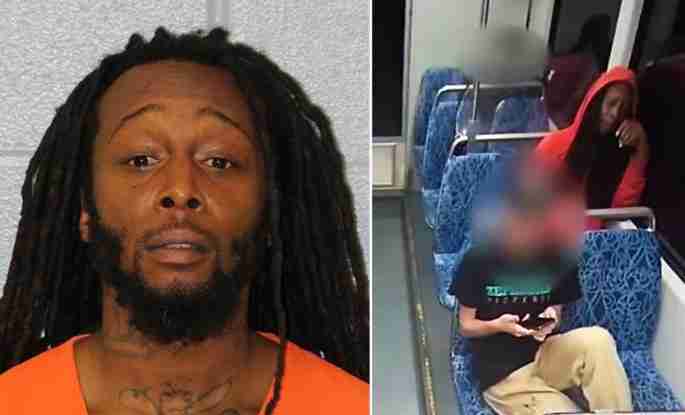
On Aug. 22, 23-year-old Ukrainian refugee Iryna Zarutska was fatally stabbed on a Charlotte light rail train in an attack described by bystanders as sudden and brutal. Surveillance footage circulated after police released images tied to the investigation (reporting: Fox News; TheFP).
Authorities identified and arrested 34-year-old Decarlos Brown Jr., charging him with first-degree murder; reporting indicates Brown has a criminal record dating back to 2007 (reporting: Fox News; TheFP).
The editorial dispute on Wikipedia
Within days a page titled “Killing of Iryna Zarutska” was created and rapidly became contentious. One editor nominated the page for deletion citing Notability policy concerns, while others argued the event received sufficient coverage — including international and Ukrainian outlets — to merit an entry (reporting: Fox News).
Debate expanded into semantic fights over whether to label the incident “killing,” “homicide,” or “murder,” and whether to include details about the suspect’s race, prior convictions or alleged status as a “career criminal” (reporting: Voz; The DailyBS; Fox News).
BLPCRIME and the decision to remove a name
A central flashpoint was Wikipedia’s BLPCRIME guideline. Supporters of removing Decarlos Brown Jr.’s name cited the policy’s emphasis on avoiding naming or detailing allegations about private individuals before convictions, to prevent harm from premature accusations (reporting: Fox News; Voz).
Critics countered that the arrest, media coverage and public interest justified naming the suspect in a factual recounting, and accused editors of inconsistent policy application.
Intensity of edits and community vote
Reporters tracking the page documented intense activity: roughly 350 edits in about 24 hours, as volunteers repeatedly added and removed content and fought over wording (reporting: Voz).
Ultimately the Wikipedia community reportedly voted to keep the article, though it remained heavily altered and subject to ongoing moderation (reporting: Voz).
Public reaction and the petition drive
The dispute spilled into public forums. A Change.org petition titled “Tell Wikipedia: Don’t Erase the Article About Iryna Zarutska’s Murder” urged preservation of the entry, arguing deletion would amount to erasing the victim and suppressing historical record.
Critics — including commentators and activists — accused editors of inconsistent application of policies and of privileging internal rules over transparency (reporting: Fox News; Voz; The DailyBS).
Why the dispute matters: notability, privacy and public record
The clash highlights competing principles: the need to protect private people from unproven allegations vs. the public interest in a factual, permanent record of major events. Wikipedia’s Notability policy and BLPCRIME guideline are designed to guide volunteer editors, but critics say enforcement can be uneven and opaque.
In fast-moving news events, volunteers must judge coverage scope and reliability while balancing harm-minimization — a process that can produce public controversy when decisions appear inconsistent.
Implications for Redding, California
Economic impact: Local newsrooms, tourism outlets and businesses rely on searchable public records. When content is disputed or appears scrubbed on platforms like Wikipedia, it complicates aggregation, background checks and safety guides.
Political consequences: For conservative readers and officials in Redding, the episode underscores concerns about platform power and perceived editorial bias, potentially informing debates about transparency and oversight.
Social effects: Communities that host refugees or have experienced violent crime may be especially sensitive to how victims’ stories are preserved; perceived erasure can erode trust in online resources.
Cultural relevance: Disputes over language — whether to call this a “murder” or a “killing” — and whether to include the suspect’s name echo broader fights over narrative control and public discourse.
Practical applications: Civic institutions should verify and archive primary sources (police reports, court records, local journalism) to guard against perceived erasure on large platforms; citizens should consult multiple sources before accepting a single entry as definitive.
Sources and further reading
- Fox News: Wikipedia editors attempted to delete Charlotte murder article, removed suspect’s name from entry.
- The DailyBS: Coverage of editing disputes and community arguments inside Wikipedia.
- Voz: Reporting on edits, protests and the vote to keep the article.
- TheFP: Timeline and reporting on the stabbing and arrest.
- Change.org petition: “Tell Wikipedia: Don’t Erase the Article About Iryna Zarutska’s Murder.”
“Tell Wikipedia: Don’t Erase the Article About Iryna Zarutska’s Murder” — Change.org petition



