
Trump administration signs off on Sites Reservoir project approval, clearing path for major Colusa County reservoir to bolster California water supply
The Trump administration issued a Record of Decision approving the Sites Reservoir project in Colusa County, authorizing up to 25% federal cost-sharing and advancing California’s largest new reservoir since 1979 to bolster supply for farms and 24 million residents.
Key takeaways
- ROD approved: The U.S. Bureau of Reclamation issued a Record of Decision enabling federal participation and up to 25% cost-share.
- Scale: Sites is a planned ~13-mile off-stream reservoir in Colusa County expected to support ~500,000 acres of farmland and supply up to 24 million people.
- Political alignment: The decision represents rare federal-state alignment, with support from Gov. Gavin Newsom and the Trump administration.
- Outstanding questions: Full costs, firm timeline, final capacity and detailed mitigation funding remain unspecified and invite oversight.
Record of Decision completes federal review
The U.S. Bureau of Reclamation and the Department of the Interior issued a Record of Decision (ROD) that formally concludes the federal environmental review and authorizes up to 25% federal cost-sharing for the Sites Reservoir construction. Federal materials framed the action as enabling the project to move from planning toward potential construction; supporters say the cost-share commitment is a key step in advancing the project. See the U.S. Department of the Interior press release and reporting from E&E News for the official announcements and initial coverage.
Federal rationale and official statements
Interior Department officials described the ROD as the result of “years of analysis, public engagement and coordination.” Andrea Travnicek, assistant secretary at the Department of the Interior, said the decision establishes the foundation for construction through “sound partnerships” to provide additional water supplies for California. Interior Secretary Doug Burgum linked the approval to President Trump’s Executive Order 14181, framing it as part of an effort to maximize water supplies for communities, farmers and the economy.
“Years of analysis, public engagement and coordination” — Andrea Travnicek, Assistant Secretary, Department of the Interior
Project scope and benefits
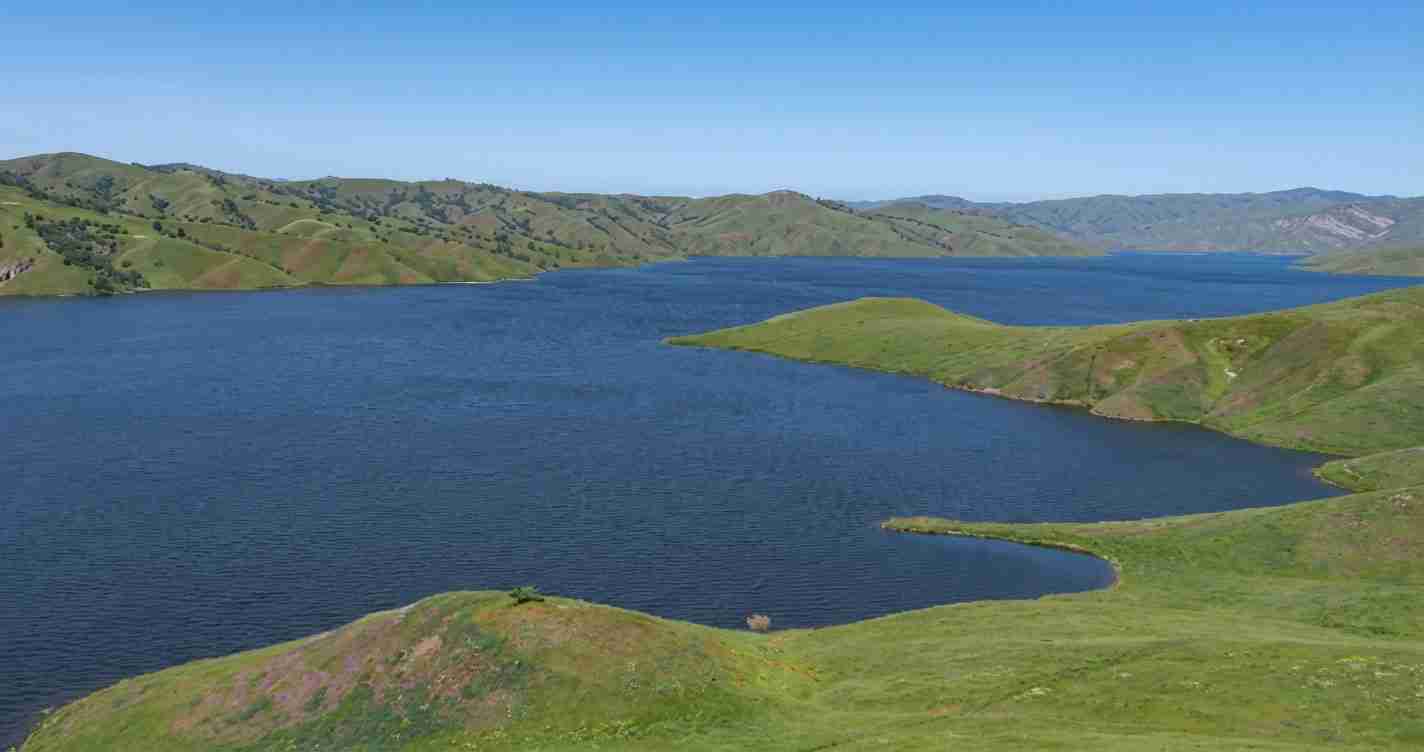
Planned on pasturelands near Maxwell in Colusa County, Sites is an off-stream reservoir that would stretch roughly 13 miles when filled. It is designed to capture surplus water in wet years for release during dry periods, storing water that otherwise would flow past the Sacramento River system and to the ocean. Developers estimate the reservoir would support about 500,000 acres of Central Valley farmland and supply water to approximately 24 million people, including parts of the Bay Area, Santa Clara County and Los Angeles.
Proponents’ view: Supporters say Sites will provide reliable water to sustain agriculture, stabilize urban supplies during droughts and increase system flexibility. The project has received backing from Gov. Gavin Newsom, creating an unusual alignment between state leadership and the Trump administration.
Funding and missing details
The ROD authorizes federal cost-sharing up to 25% of construction costs. However, the federal announcement did not provide a firm construction timeline, final reservoir capacity numbers, or a complete accounting of expected total cost. Official materials note advancement under federal priorities but stop short of detailed financial schedules or a start date, leaving significant fiscal and schedule questions unanswered. See the Department of the Interior press release for the formal language.
That lack of detailed public disclosure means congressional and state oversight, as well as local watchdog groups, are likely to press for clearer cost estimates, timelines and taxpayer protections before major contracts are signed.
Environmental review and public engagement
Officials say the ROD follows years of environmental study and public engagement and represents the culmination of the Bureau of Reclamation’s federal review process. Supporters point to this completion as evidence that key issues were considered; critics continue to question potential impacts to habitats, groundwater and local ecosystems. Those impacts will remain under scrutiny as planning proceeds toward potential construction. Relevant official materials are available from the Department of the Interior and reporting from E&E News.
Political context: a rare bipartisan alignment
The approval represents a notable convergence between a Republican federal administration and Democratic state leadership. Gov. Gavin Newsom’s support of Sites, paired with the Trump administration’s ROD and its invocation of Executive Order 14181, highlights the bipartisan urgency around water reliability and infrastructure in drought-prone regions. The alignment underscores the national significance of California water policy.
Questions and oversight to watch
The ROD opens a path to construction but does not guarantee one. Key questions that will shape the project’s trajectory include:
- What is the project’s full construction cost and the final federal share beyond the authorized up-to-25%?
- When will construction begin and what are the major milestones?
- How will environmental mitigation be funded and enforced over the long term?
- How will water allocation be managed across multi-year droughts?
Local and federal watchdogs, Congress and state agencies will likely demand detailed answers before large contracts or major spending commitments proceed.
Implications for Redding, California
Economic impact: Approval of Sites could stabilize water supplies for Central Valley agriculture, indirectly supporting Redding’s economy through linked supply and transportation networks and protecting farm jobs and related industries.
Political consequences: Local conservative leaders who prioritize water security may favor the federal sign-off; nevertheless, officials should insist on fiscal transparency and firm oversight to protect taxpayers.
Social and cultural effects: Improved statewide storage can mean steadier agricultural supplies, help control food prices and support fire protection and public health—critical for a region affected by drought and wildfires. Community values of stewardship and self-reliance mean residents will press for responsible mitigation and accountability.
Practical applications: If construction proceeds, Redding could see short-term job creation for contractors and suppliers and long-term stability for agricultural markets; local officials should engage with planners to identify contracting opportunities for Shasta County firms.



