
Newsom signs package of tribal bills on California Native American Day, boosting protections for Native youth and expanding tribal education
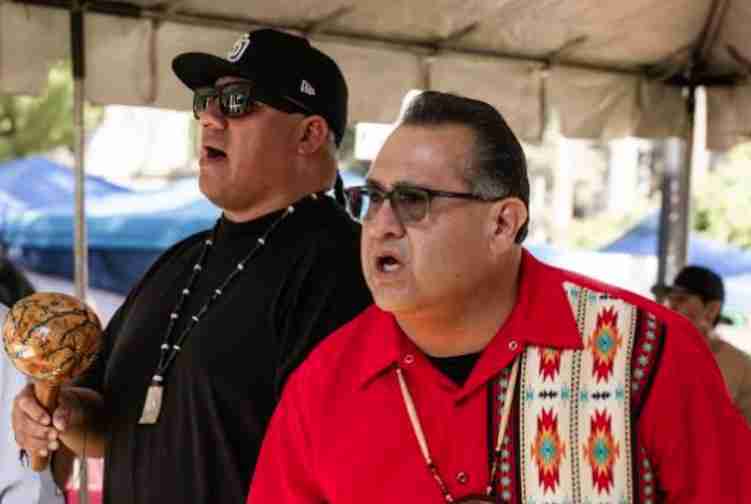
Governor Gavin Newsom signed a package of bills on Sept. 27, 2024, during the 57th annual California Native American Day, aiming to strengthen protections for Native children, expand tribal access to services and require fuller teaching of Native histories.
Key takeaways
- Signed Sept. 27, 2024: Measures were enacted at the State Capitol during the 57th annual California Native American Day celebration, with hundreds and tribal leaders in attendance.
- Three cornerstone bills: AB 81, AB 1821 and AB 2795 codify ICWA protections, expand tribal access to benefits, and require expanded K–12 instruction on Native perspectives.
- Complementary measures: Lawmakers also advanced crime-reporting reforms, authorization for tribal cultural burns and protections for students’ rights to wear tribal regalia at graduation (crime reporting; traditional cultural burns; students’ rights to wear tribal regalia at graduation).
What the bills do — plain language breakdown
AB 81 — Strengthening protections for Native children: AB 81, carried by Assemblymember James C. Ramos, incorporates federal Indian Child Welfare Act (ICWA) safeguards into the California Welfare and Institutions Code to ensure Native children and families receive procedural protections in custody and foster-care cases. Supporters say the change aims to secure family ties and respect tribal connections. AB 81
AB 2795 — Reducing barriers to social services: Authored by Assemblymember Dr. Joaquin Arambula, AB 2795 eases qualification for CalWORKS and TANF for clients of Indian Health Clinics by removing paperwork and administrative hurdles, aiming to increase access to state supports. AB 2795
AB 1821 — Expanding California tribal education: Also carried by Ramos, AB 1821 requires K–12 schools to teach students about Native perspectives and the treatment of Native people during the Mission and Gold Rush periods so students receive a fuller, more accurate account of state history. AB 1821
Other bills and complementary measures
- AB 2695: Requires the California Department of Justice to align crime-data reporting with the National Incident-Based Reporting System (NIBRS) to improve tracking of violent incidents, including efforts to better account for Missing and Murdered Indigenous People (MMIP) cases. AB 2695
- SB 310: Authorizes state agencies and local air districts to enter agreements with federally recognized tribes to carry out cultural burns — a traditional land stewardship practice that can reduce wildfire risk and restore native habitats. SB 310
- Graduation regalia protections: Lawmakers restricted school districts’ ability to bar students from wearing tribal regalia at commencement events, protecting cultural expression in graduation ceremonies. Students’ regalia protection
Context and legislative intent
California is home to 109 federally recognized tribes — second only to Alaska — and state leaders described the package as part of a broader effort to acknowledge history and collaborate with tribal partners on public safety, education and cultural preservation. At the signing, Governor Newsom highlighted a “renewed commitment” to tribal equity and inclusion as tribal leaders, lawmakers and community members gathered at the State Capitol on Sept. 27. ABC7
Investigative notes on implementation and oversight
Officials and advocates note practical questions about how the laws will operate locally:
- AB 81: Local child-welfare agencies and family courts must adopt new procedural standards, requiring training, record-keeping and coordination with tribal governments.
- AB 2795: Success depends on Indian Health Clinics and county welfare offices changing administrative practices so eligible families receive CalWORKS and TANF benefits more easily.
- AB 1821: School districts will need to review textbooks, provide teacher training and reprioritize classroom time to meet curriculum requirements.
Sources and voices
Primary release: Governor’s press release
Additional coverage: ABC7, Sacramento Observer, and Lake County News. For background on the observance, see California Native American Day resources.
Budget and enforcement considerations
These measures are primarily regulatory and programmatic rather than major new spending, but implementation will generate practical costs:
- Training for county staff, courts and educators
- Reporting and IT upgrades to comply with NIBRS-aligned crime reporting
- Textbook review and professional development for AB 1821
State agencies will need to provide guidance and technical assistance to counties, courts and school districts to ensure consistent implementation and compliance.
Implications for Redding, California
Economic impact: Redding and Shasta County may see modest redirection of state support to local tribal services, clinics and schools. Indian Health Clinics serving Native families could find it easier to secure CalWORKS and TANF benefits for eligible clients, potentially reducing emergency-service demand and improving household stability.
Public safety: AB 2695’s NIBRS alignment could improve data on violence affecting Native communities, guiding local law enforcement and social services to better allocate prevention and response resources. AB 2695
Education and community values: AB 1821 will require Redding-area districts to review curricula and may raise local questions about classroom time allocation and the role of school boards; proponents say accurate history can strengthen civic knowledge and cultural awareness.
Cultural and environmental: SB 310’s cultural-burn provisions could be directly relevant where wildfire risk is high; local air districts and land managers would need protocols with tribal partners to balance safety and air-quality rules. SB 310
Next steps and local accountability
Implementation responsibility rests with state agencies, county welfare departments, local school districts and tribal governments. Redding-area officials should expect guidance from Sacramento on timelines and technical assistance. Active engagement by school boards, county supervisors and tribal representatives will shape how quickly and smoothly the new rules take effect.
“A renewed commitment to tribal equity and inclusion,” the governor said at the signing, emphasizing collaboration with tribal partners.
Monitoring: Tracking costs, timelines and outcomes will be important for local taxpayers, families, and tribal communities as the measures move from law to practice.



