
Netflix’s Reported $72 Billion Bid for Warner Bros. Discovery Draws Regulatory Focus — No Evidence Trump Administration Is Involved
Netflix is reportedly preparing a $72 billion cash-and-stock acquisition of Warner Bros. Discovery’s studios, including HBO and HBO Max, a move that would reshape global media while facing rigorous antitrust review by current federal regulators.
Key takeaways
- Reported deal: Netflix would acquire Warner Bros. Discovery’s film and television studios, including HBO and HBO Max, in a roughly $72 billion cash-and-stock transaction.
- Assets included: Warner Bros. studios, HBO’s premium library, HBO Max, and major franchises such as Game of Thrones and the DC Universe.
- Regulatory oversight: The deal would be reviewed by current federal agencies — the U.S. Department of Justice Antitrust Division and the Federal Trade Commission — with no credible public evidence the Trump administration is involved.
What’s being reported
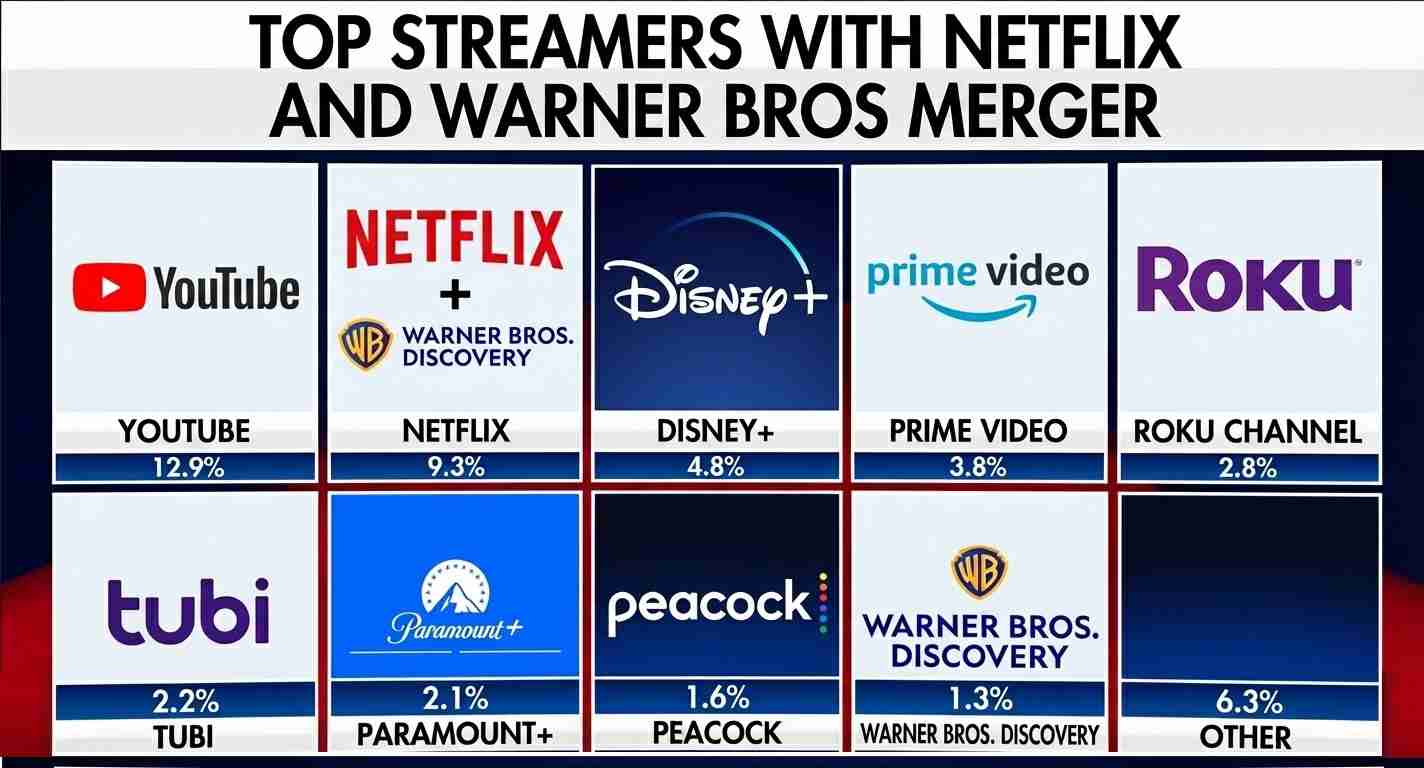
Multiple outlets describe a proposed blockbuster transaction in which Netflix would buy Warner Bros. Discovery’s studio and streaming assets in one of the largest entertainment takeovers in history. The reported $72 billion transaction would combine two of the industry’s largest content libraries and production engines.
Sources say the structure would include a mix of cash and Netflix stock, and that the sale would be contingent on Warner Bros. Discovery completing a planned separation of certain cable network businesses — a step the company expects to finish around summer 2026 — to simplify regulatory review and make the assets cleaner to transfer.
Regulatory landscape and antitrust scrutiny
A deal of this magnitude would face detailed scrutiny from U.S. and international regulators. The DOJ Antitrust Division and the FTC typically examine whether a merger would substantially lessen competition in markets such as streaming video, production, advertising, and intellectual property licensing.
Legal experts expect review to focus on market concentration — whether the combined company could raise prices, deny content to rivals, or stifle smaller streamers and new entrants. Antitrust review can include requests for internal documents, economic studies, and potential divestitures or behavioral remedies before closing.
Who is asking questions — and who is not
Several current regulators and congressional lawmakers have signaled they will scrutinize large tech and media mergers closely. That scrutiny centers on concerns about market power and consumer choice. Importantly, public reporting and records indicate the Trump administration — which left office in January 2021 — is not the active reviewer and has not been identified as expressing skepticism.
Any federal review would be carried out under the present administration by the DOJ and the FTC. (See DOJ Antitrust Division and Federal Trade Commission.)
Industry reaction and Wall Street
Wall Street analysts and industry observers offered mixed reactions. Some see strategic value in bundling content and distribution to compete with well-funded rivals; others warn of integration risks, cultural clashes, and the challenge of financing such a massive price tag without harming Netflix’s balance sheet.
Shareholders and creditors will be attentive to how the cash-and-stock mix is structured, whether new debt is needed, and whether projected synergies survive regulatory constraints or required divestitures.
Why the Trump administration mention matters
Reporting around high-profile transactions sometimes fuels speculation about political influence. It is important to be precise: the Trump administration is not in a position to regulate this deal, and there are no credible public reports that it has taken a position or expressed skepticism. Current antitrust review would occur under today’s administration.
Sources and attribution
This article is based on public reporting and regulatory context as of early December 2025. For information about the regulatory process and company background, see:
- U.S. Department of Justice Antitrust Division
- Federal Trade Commission
- Netflix Investor Relations
- Warner Bros. Discovery Investors
- White House
Times Media Service reporting compiled the deal details summarized above.
Implications for Redding, California
Economic impact
- Local media jobs and production: Redding and the broader North State have a small but growing film and production services community. Expanded production or licensing could bring opportunities for local crews, location services, and hospitality when shoots occur in Northern California.
- Streaming subscriptions and advertising: Consolidation may affect subscription pricing or ad-supported tiers, potentially altering household entertainment budgets and local broadband demand.
Political consequences
- Conservative voters prioritizing limited government may oppose expanded regulatory intervention, while local officials and business groups emphasizing competition could support careful review.
- High-profile mergers can become campaign talking points on corporate power, jobs, and internet regulation.
Social effects
If Netflix gains control of HBO’s premium content and major franchises, Redding viewers could see programming shifts — including bundling or exclusive windows — that change availability across cable and streaming and influence local viewing habits and cultural conversations.
Cultural relevance
Local creators could benefit from new licensing or partnership opportunities if a larger streaming platform seeks regional content, but consolidation could also centralize commissioning decisions and make it harder for small creators to break through.
Practical applications for residents
- Broadband demand: Increased streaming usage may raise home internet demand; residents should monitor local broadband options and capacity.
- Where to watch: If libraries combine, consumers may find HBO and Netflix content under one subscription or bundled offers — watch for changes in licensing and bundling.
What to watch next
- Regulatory filings and statements from the DOJ Antitrust Division and the FTC.
- Public disclosures from Netflix and Warner Bros. Discovery, including investor presentations and SEC filings.
- Local production announcements or site permits in Northern California signaling filming plans.
“There is no credible public reporting that the Trump administration has taken a position on this transaction; current federal agencies would conduct any review.”



