
Iran, Hezbollah mount coordinated missile and drone strikes including cluster munitions as Israel hits Hezbollah strongholds in Beirut
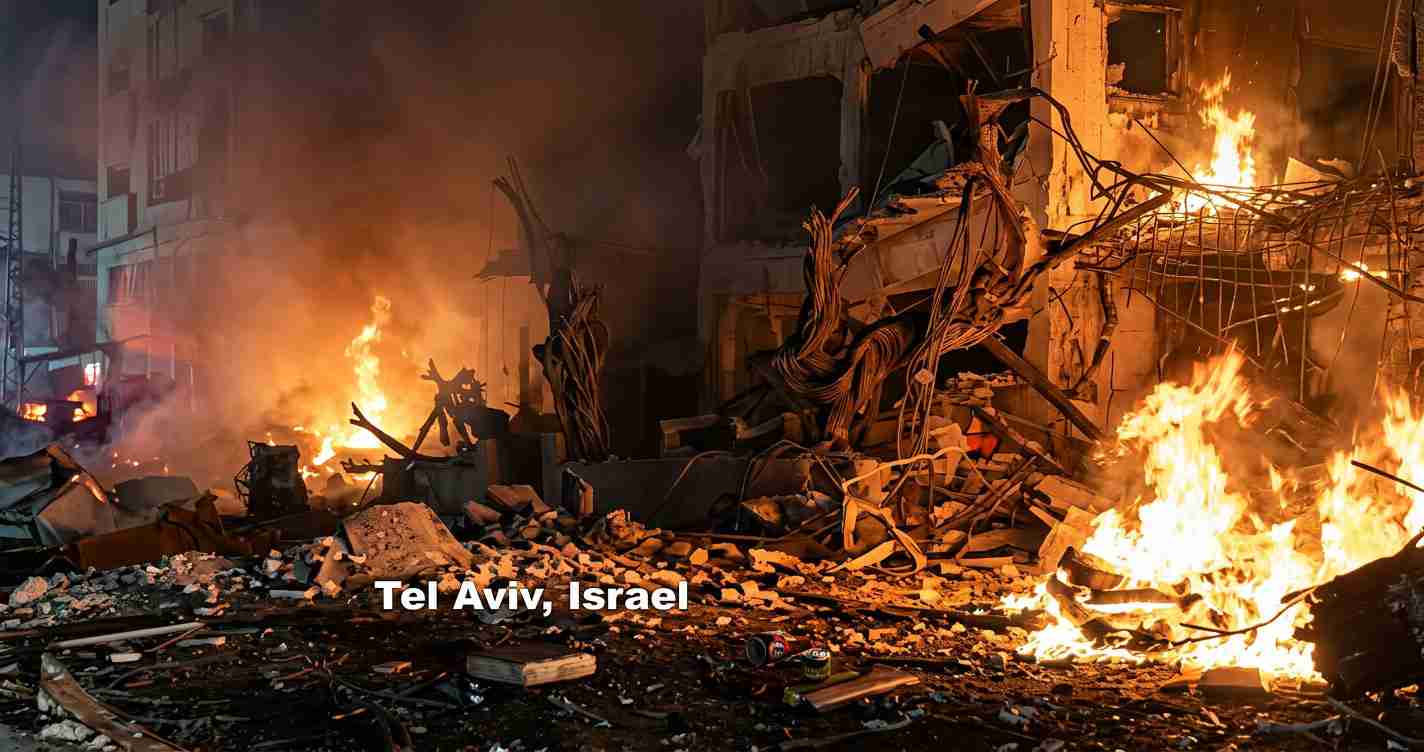
Between March 4 and 7, 2026, Iran and Hezbollah launched coordinated missile and drone strikes — including cluster munitions — against central and northern Israel, prompting immediate Israeli airstrikes on Hezbollah strongholds in Beirut’s Dahiyeh suburb.
Key takeaways
- Coordinated barrages: Multiple launches from Times of Israel live blog and Koha documented strikes across central and northern Israel between March 4–7, 2026.
- Cluster munitions used: Israeli reporting said at least one Iranian missile dispersed bomblets over central Israel, posing a challenge to point-defense systems (Times of Israel live blog).
- IDF counterstrikes: Israel carried out airstrikes on Hezbollah infrastructure in Beirut’s Dahiyeh and continued strikes on Iranian-linked targets, after issuing evacuation warnings.
- Intelligence gaps: Analysts report near-simultaneous launches suggesting tactical coordination, but open-source intelligence did not fully confirm direct command-and-control links (aawsat report).
What happened: timeline and key strikes
Between March 4 and March 7, multiple projectiles and drones were detected over Israel. On March 4–5, an Iranian ballistic missile and several launches from Hezbollah triggered defensive responses and sirens in major population centers, according to Koha.
On March 7, reporting tracked a surge of missile salvos from Iran — with some accounts noting at least ten launches since midnight — alongside intensified rocket and drone barrages by Hezbollah in northern Israel. The Times of Israel live blog reported that one Iranian missile likely carried a cluster warhead that dispersed bomblets over central Israel; many intercepts were recorded and initial reporting indicated no deaths, though some civilians sustained shrapnel injuries.
In response, the Israeli Defense Forces said they launched multiple airstrikes on Hezbollah infrastructure in Beirut’s southern suburbs, a Hezbollah stronghold known as Dahiyeh, after issuing evacuation warnings. Reporting also indicated intensified strikes on Iranian targets as part of a broader campaign reported by some outlets (ejmagnier analysis).
Coordination claims and intelligence gaps
Several analysts and on-the-ground observers described near-simultaneous launches by Hezbollah and Iran, suggesting higher tactical coordination. A senior researcher, Kobi Michael of the Institute for National Security Studies, said Hezbollah had “fully joined the war,” noting many rockets and drones were launched simultaneously with Iranian missiles; these remarks were captured in field reporting and video accounts (Jerusalem Post; field video).
At the same time, other outlets cited Israeli intelligence assessments that found no clear proof of direct operational control between Tehran and Hezbollah for every strike; simultaneity may reflect tactical choices rather than centralized, real-time command. This divergence highlights unresolved intelligence gaps even as the on-the-ground effects are evident (aawsat).
Cluster munitions: new challenge for defenses
Israeli officials reported that at least one Iranian missile carried a cluster warhead. Cluster munitions disperse dozens or hundreds of submunitions over wide areas, and the resulting bomblets are smaller and harder for point-defense systems to intercept. Night detonations can resemble orange fireballs, complicating battlefield assessment (Times of Israel live blog).
Policy context: Cluster munitions are banned under the 2008 Convention on Cluster Munitions by over 120 countries because of indiscriminate effects on civilians. Iran is not a party to that convention; use in populated areas raises international alarm and complicates defense and humanitarian response.
Hezbollah tactics and on-the-ground shifts
Field reporting described Hezbollah shifting toward small-unit and guerrilla-style tactics in southern Lebanon: avoiding electronic communications, rationing heavier anti-tank weapons, and using probes to test Israeli defenses. Sources familiar with Hezbollah’s operations said the group appears intent on preserving capabilities while increasing asymmetric pressure, which could sustain a long, grinding northern front if a ground campaign expands (video accounts).
Israeli civilian impacts and shelters
Northern Israel, including areas toward Haifa, experienced heavy incoming fire and repeated sirens. Residents across multiple cities spent extended periods in bomb shelters; analysts warn that Israel’s small geography makes prolonged asymmetric attrition increasingly costly for civilians and infrastructure (Times of Israel live blog).
International and U.S. connections
Reports circulated of strikes on Iranian missile production and command centers as part of what some outlets described as a joint U.S.-Israeli campaign. Names cited in some accounts — such as “Operations Epic Fury” and “Roaring Lion” — appear in commentary but are not confirmed across open-source reporting. The pattern of strikes suggests efforts to degrade Iranian missile and production capabilities while pressuring proxies (ejmagnier; Times of Israel live blog).
Hezbollah strikes Beirut and IDF response
Following evacuation warnings to Dahiyeh, the IDF said it struck Hezbollah infrastructure in Beirut’s southern suburbs. International outlets documented explosions and evacuations as Israel targeted locations tied to Hezbollah, signaling willingness to strike deep into Lebanese urban areas to disrupt rocket and drone launches (Times of Israel live blog; field video).
Implications for Redding, California
Economic impact: A sustained regional war that affects shipping through the eastern Mediterranean or Strait of Hormuz could push global oil and gas prices higher, likely driving up fuel and heating costs in Redding and raising operating expenses for local farms and businesses.
Security and military families: Redding and Shasta County host many veterans and service families; any increase in U.S. military activity or deployments could affect local households and increase demand on community support networks.
Political and civic consequences: Local political discourse may shift as conservative voters press for a firm U.S. posture; the conflict could shape messaging on defense spending, asylum/refugee response, and regional security ahead of elections.
Humanitarian and social response: Nonprofits, churches and schools in Redding may coordinate fundraisers or support drives for refugees; community centers could become hubs for assistance and awareness.
Practical everyday effects: Residents in Redding should expect increased news coverage, potential price sensitivity at the pump, and local calls for donations or volunteer help. Civic leaders can use trusted channels to share verified updates and guidance.
Sources and further reading
- Times of Israel live blog, March 7, 2026
- Koha English report on coordinated Iran–Hezbollah strikes
- The Jerusalem Post coverage
- Analysis noting limited evidence of direct coordination (aawsat)
- On-the-ground reporting and analysis (ejmagnier)
- Eyewitness/video report 1 (YouTube)
- Eyewitness/video report 2 (YouTube)
“Hezbollah has fully joined the war,” a field-shelter-based researcher was quoted as saying, highlighting the simultaneity of launches and the strain on Israeli defenses — a claim that field reporting captured even as some intelligence gaps remain.



