
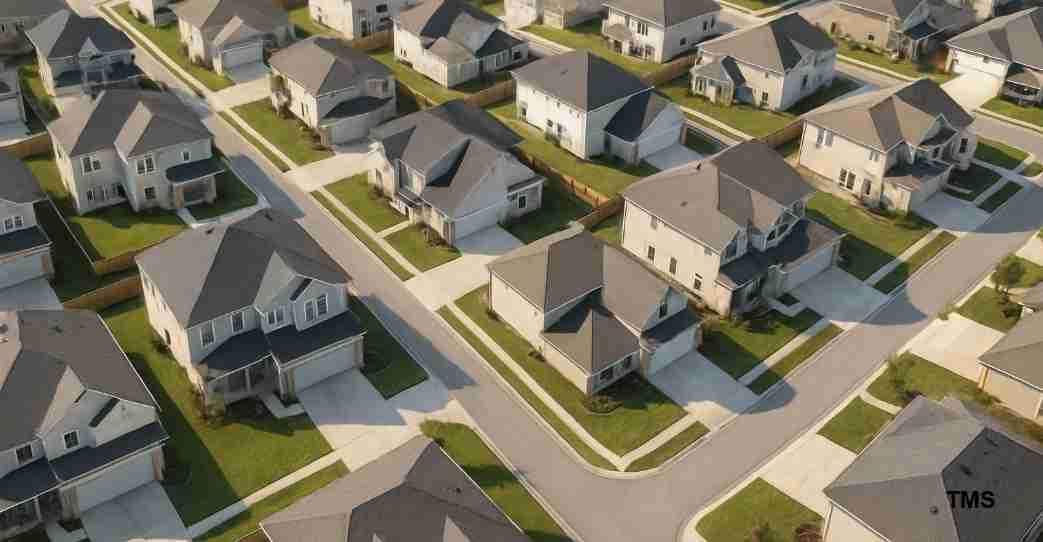
Hidden costs of homeownership jump, tightening the squeeze on buyers
Homeownership now carries unexpected expenses exceeding $21,000 a year for many buyers, driven by surging homeowners insurance, steep maintenance bills, and rising property taxes — pressures that are tightening budgets and surprising new owners nationwide.
- Insurance surge: Homeowners insurance premiums are up about 48% since 2020, substantially raising annual costs (Bankrate; Fox Business).
- Maintenance pain: Routine upkeep averages roughly $8,800–$10,946 per year and is often the largest hidden expense.
- Regional gaps: National non-mortgage costs range ~$16,000–$21,400 annually, with states like California and Hawaii often exceeding $30,000 or more.
How the numbers add up
Recent analyses look beyond mortgage payments to count the full cost of owning a home — routine maintenance, insurance, property taxes, utilities, internet and cable, and other recurring bills. The totals are eye-opening and vary widely by region.
Insurance: Homeowners insurance has been one of the fastest rising costs. Since 2020, premiums have climbed about 48% nationally, bringing annual averages to roughly $2,003–$2,267 depending on the estimate. Higher claims from natural disasters, rising construction costs, and tighter insurance markets have pushed prices up for many buyers and owners (Bankrate; Fox Business).
Maintenance: Long a predictable but often underestimated cost, maintenance is typically calculated at about 2% of a home’s value per year. That works out to averages between $8,800 and $10,946, depending on datasets and accounting methods. Many homeowners lack set-aside funds for these expenses (Bankrate; Fox Business).
Property taxes: National averages fall between $3,030 and $4,316 annually, though state and local rules make a big difference. In California, higher property values push that figure well above the national average, contributing to statewide totals above $30,000 in many analyses (Bankrate; Fox Business).
Other recurring bills: Utilities average about $4,494 per year and internet/cable around $1,515. When included, most studies place total annual hidden costs between $16,000 and $21,400, with some regions well above that range (Bankrate).
Why homeowners feel squeezed
Several trends are colliding: insurers face bigger disaster-related payouts, construction and labor costs are higher, and local budgets drive up taxes. Meanwhile, household income gains have not kept pace with expense growth.
“Hidden costs rose 4.7% year-over-year while household incomes grew 3.8% over the same period,” industry analysis found (National Mortgage Professional).
Surveys show homeowners reporting regret or surprise: 27% spend more time on maintenance than expected, 26% did not anticipate rising property taxes, and over 20% wish they had saved more before buying. A large share lacked emergency funds for repairs when they purchased (American Home Shield).
Regional differences matter
Where you live strongly affects hidden costs. States with higher property values, higher disaster risk, or more costly local services show the largest totals. Bankrate’s analysis highlights wide variation: Hawaii tops the list with totals above $34,000, followed by California at $30,000+. By contrast, states like West Virginia and Mississippi report totals below $15,000 (Bankrate).
Insurance markets and local tax rules shape costs differently across the country. Coastal and western states face heavier insurance pressure from wildfire, earthquake, and storm exposure; local governments set tax rates and assessments that determine annual bills (Bankrate; Fox Business).
Policy and market responses
Insurers and policymakers are reacting: some insurers have tightened underwriting or raised rates; state regulators in high-cost areas face scrutiny as options narrow. Local governments balance budgets while trying to keep taxes manageable. Policy discussions include relief programs, tax-limiting measures, and incentives for risk mitigation.
What new homebuyers can do
Experts urge buyers to build realistic budgets and plan for ongoing costs:
- Factor in insurance hikes and assume maintenance at ~2% of home value annually.
- Shop for insurance, compare local tax histories, and get thorough home inspections.
- Save an emergency repair fund — planners suggest at least six months of living expenses plus additional funds for home repairs (Bankrate; American Home Shield).
Implications for Redding, California
National trends have concrete local consequences for Redding and Shasta County:
- Insurance: Northern California wildfire risk and rising claims can drive premiums above national averages and reduce insurer options (Bankrate; Fox Business).
- Maintenance: Older housing stock and wildfire exposure mean the 2% rule (~$8,800–$10,946) could be conservative for many local properties.
- Property taxes: Shasta County assessments and bond measures can increase bills; Proposition 13 limits for existing owners do not shield new buyers from reassessment.
- Budget impacts: With hidden costs outpacing income growth, Redding households on modest incomes may have less room for savings, education, or retirement planning.
- Practical steps: Get multiple insurance quotes (ask about wildfire coverage), budget 2%+ of home value for maintenance, review local tax histories and ballot measures, and build a dedicated emergency repair fund. Encourage disclosure of realistic ongoing costs by agents and lenders; promote community risk-reduction measures such as vegetation management and incentives for fire-resistant improvements.
Reporting and sources
This analysis draws on recent studies and reporting tracking rising hidden costs, including work by Bankrate’s hidden-costs study, coverage by Fox Business, industry reporting by National Mortgage Professional, and homeowner statistics from American Home Shield.
Sources throughout this piece cite the original reporting and studies listed above. Preserve these links for reference and further reading.



