
FAA lifts flight restrictions as controller staffing rebounds; Transportation Secretary Sean Duffy credits President Trump for rapid return
The FAA said Monday that it is lifting emergency flight reductions at 40 major U.S. airports effective Nov. 17, 2025, after controller staffing rebounded quickly this week following the government shutdown and assurances of back pay.
- Emergency flight limits ended: FAA canceled emergency reductions at 6 a.m. ET on Nov. 17, restoring regular schedules at 40 major hubs (WNSB Online, FAA emergency order).
- Staffing rebound drove decision: Controller absences fell sharply after the government reopened and back pay was promised (DOT briefing, FAA addendum).
- Political note: Transportation Secretary Sean Duffy credited President Trump’s leadership for the rapid return of many controllers (DOT briefing).
Details of the FAA action
The Federal Aviation Administration announced it would cancel emergency flight reductions that had limited departures at 40 major airports. The agency said the decision — effective 6 a.m. Eastern on Monday, Nov. 17, 2025 — was driven by a rapid improvement in air traffic controller attendance and ongoing safety monitoring.
The initial order, issued during a funding lapse in early November, required airlines to reduce operations by as much as 10% at affected airports. As controller absences fell, the FAA issued a cancellation/replacement reducing the cut to 6% before lifting limits entirely (FAA emergency order; FAA Nov. 14 addendum).
Background: How restrictions were imposed
In early November, amid a prolonged federal funding lapse, the FAA set emergency operating limitations at 40 major U.S. airports to reduce systemic risk after many controllers were absent or retired amid pay uncertainty. The limits were intended as a safety measure while staffing stabilized (FAA emergency order).
Data driven adjustments: FAA “staffing trigger” counts fell from 81 absences flagged on Nov. 8 to just four by Nov. 12, prompting successive addenda that lowered required cuts from 10% to 6% and then to zero as attendance improved (DOT briefing; FAA Nov. 14 addendum).
Statements from Transportation Secretary Duffy and FAA
At a public briefing, Transportation Secretary Sean Duffy credited fast executive and congressional action. “President Trump’s message has been heard loud and clear: controllers will be made whole quickly,” Duffy said, later thanking bipartisan lawmakers who voted to end the shutdown and help speed returns to duty (DOT briefing).
FAA Administrator Bryan Bedford: “The data shows that controller staffing is improving rapidly, which allows us to hold flight reductions at six percent while maintaining the highest levels of safety in our airspace.”
Duffy added that most controllers would receive back pay within 48 hours of reopening, which officials say encouraged many to return over the weekend (DOT video briefing).
Impact on travelers and airlines
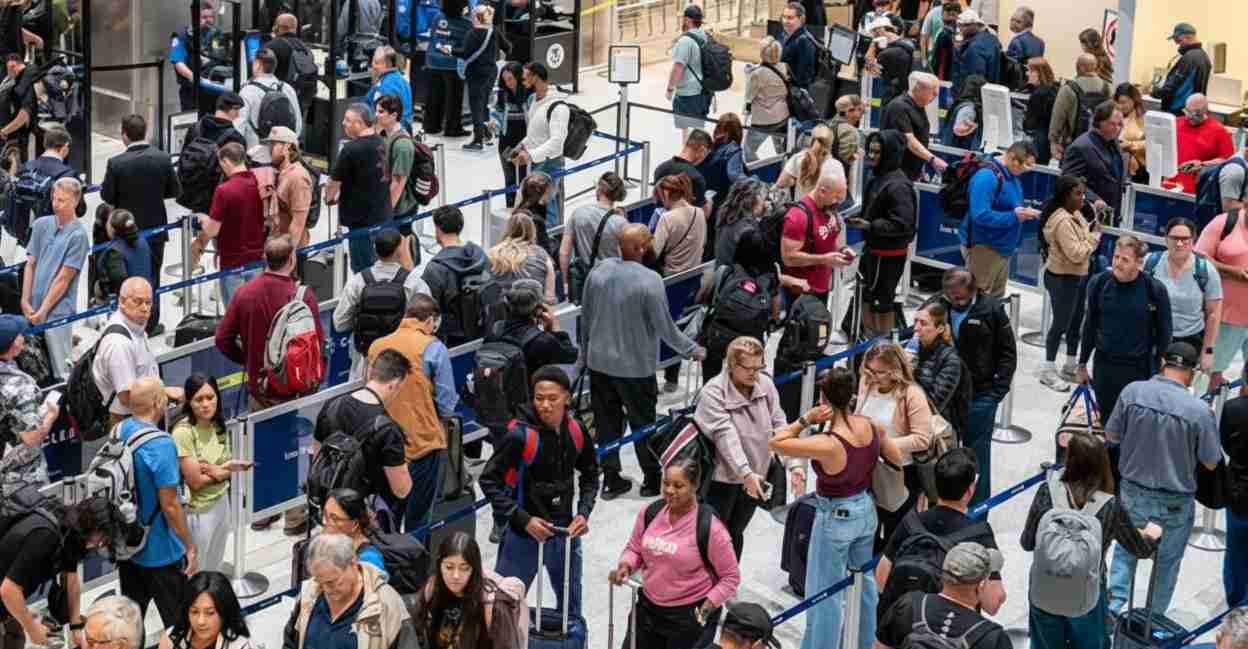
The restrictions coincided with a wave of cancellations and delays affecting thousands of passengers as airlines cut schedules and rerouted flights. With normal schedules restored at the 40 affected airports, industry analysts say the move should significantly ease the Thanksgiving travel surge, though residual rescheduling and variability may continue as crews and staff complete return-to-duty processes (WNSB Online; Economic Times).
FAA caution: Officials emphasized continued daily reviews of staffing and safety metrics and said restrictions could be reimposed if necessary to protect the flying public (FAA emergency order).
Investigative note: staffing trends and long-term concerns
The episode highlighted persistent staffing challenges: retirements, hiring shortfalls and recruitment lags left limited redundancy in the system, making operations vulnerable when pay guarantees lapsed. Experts say the FAA must strengthen recruitment, retention and scheduling redundancy to reduce the impact of future short-term labor disruptions (CBS News).
Implications for Redding, California
Economic impact: While Redding’s airport was not among the 40 affected hubs, regional travelers and businesses benefit from restored schedules at major hubs, improving connections, reducing missed flights and helping tourism and air cargo flows.
Political consequences: Secretary Duffy’s attribution of credit to President Trump for quickly resolving controller pay may resonate locally with conservative voters and leaders who framed the outcome as effective federal action (DOT briefing).
Practical advice for residents: Travelers should check flight status directly with airlines, confirm connections and allow extra time at airports. Businesses relying on air freight should contact carriers about any backlog as carriers restore pre-reduction schedules (WNSB Online; Economic Times).
Sources and further reading
- FAA emergency order cancellation and replacement (Nov. 12, 2025)
- FAA November 14 addendum
- U.S. Department of Transportation briefing with Secretary Sean P. Duffy and FAA Administrator Bryan Bedford
- WNSB Online coverage
- Economic Times report
- KUTV report
- CBS News coverage
- Department of Transportation video briefing
Preserved original facts and source URLs above.



