
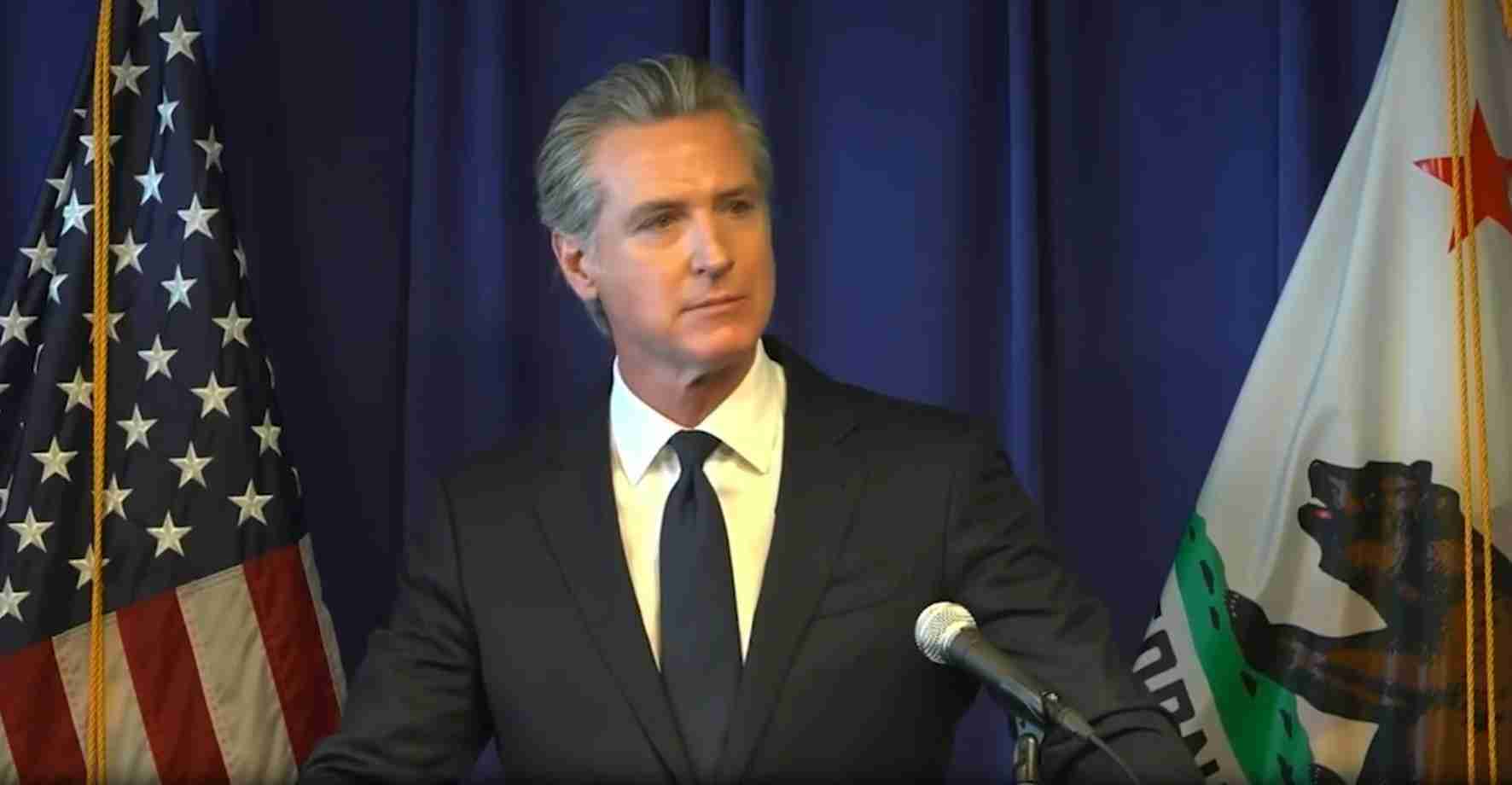
Newsom invokes Scripture, sues USDA as states challenge Trump administration over looming SNAP cutoff
Governor Gavin Newsom led California and 24 other states in a federal lawsuit to force the USDA to release contingency funds and avert a Nov. 1 suspension of SNAP benefits that could affect millions amid a government shutdown.
- States’ claim: California, led by Gov. Gavin Newsom and AG Rob Bonta, joined 24 states and D.C. asking a federal court to order the USDA to continue November SNAP payments; see the reporting by HeySoCal.
- Scope of impact: About 41 million Americans receive SNAP; roughly 5.5 million Californians (including 1.9 million children) rely on CalFresh — a November cutoff would mean roughly $1.1 billion less in monthly food aid for the state (HeySoCal).
- Contested authority: States point to ~ $6 billion in USDA contingency balances they say can cover benefits; USDA officials, including Secretary Brooke Rollins, say funds are insufficient (Stocktonia, HeySoCal).
Overview
Who filed suit: California, led by Governor Gavin Newsom and Attorney General Rob Bonta, joined 24 other states and the District of Columbia in a federal complaint filed in Massachusetts seeking expedited relief to compel the U.S. Department of Agriculture to disburse November SNAP payments. The states argue that contingency funds and statutory authority make the suspension unlawful; detailed reporting is available from HeySoCal and Stocktonia.
Newsom’s remarks and moral framing
Gov. Newsom publicly labeled the decision to halt SNAP payments “cruel” and said it reflected an absence of humanity in federal policy. He invoked Scripture and framed the issue as a moral duty to care for vulnerable families, turning a legal dispute into a question of basic decency toward needy children and households (HeySoCal; Patch).
“This is cruel,” Newsom said, emphasizing a moral obligation to feed those in need and calling the halt to benefits unacceptable during a shutdown.
What the USDA says
USDA officials, led publicly by Secretary Brooke Rollins, maintain the agency lacks necessary appropriations under current shutdown conditions to make November SNAP payments. That funding shortfall is central to the administration’s defense; states counter that agency contingency reserves — which they estimate at roughly $6 billion — can be lawfully tapped to cover benefits (Stocktonia; HeySoCal).
Legal fight: claims and remedies
The complaint asks the federal court to order the USDA to release funds and continue SNAP benefits for November. States rely on statutory text, agency policy, and accounting of contingency resources to argue the agency has both authority and obligation to act. Lawyers highlighted precedent and appropriations law, asserting the USDA is using the shutdown as a policy lever rather than a legal necessity (Stocktonia).
Human consequences: Attorneys stressed that suspending SNAP on such a scale would force recipients to scramble for food and push demand onto food banks and charities already under strain; plaintiffs requested expedited relief given the November 1 deadline.
Scale and history
About 41 million people receive SNAP nationwide. In California, roughly 5.5 million residents — including about 1.9 million children — rely on CalFresh. State estimates put the lost monthly assistance for Californians at roughly $1.1 billion if November benefits are suspended (HeySoCal).
Analysts note this could be the first broad suspension of SNAP for millions because of a shutdown. Video and broadcast coverage document public concern and grassroots panic; see YouTube coverage 1, YouTube coverage 2, and YouTube coverage 3.
Politics and the charge of “cruelty as policy”
Newsom and other plaintiffs framed the move as politically calculated — an example of “playing politics” with a basic safety net. Critics counter that the case raises legitimate questions about executive discretion in a shutdown, fiscal control, and the judiciary’s role in resolving appropriations disputes.
Local and community impact — Redding & Shasta County
Economic: In Redding and Shasta County, thousands of households receive CalFresh monthly. A sudden November stop would likely depress consumer spending at grocery stores, farmers markets, and small businesses that depend on SNAP-related sales, and could remove about $1.1 billion statewide from local food economies (HeySoCal).
Social services: Local food banks, school meal programs and shelters could face immediate spikes in demand. County human services departments and faith-based charities are coordinating contingency plans but warn capacity is limited (Patch).
Political context for conservatives in Redding: The dispute frames questions about administrative law, rule-of-law oversight, and whether hardship is being leveraged for political ends. Local conservative officials may weigh legal accountability against the immediate human need for food security (Stocktonia).
Practical applications and next steps for local leaders
- Accelerate outreach: County officials should contact SNAP recipients with guidance and contingency resources.
- Coordinate relief: Food banks, faith groups, and school districts should finalize surge plans, emergency vouchers, and school meal expansions.
- Track litigation: Residents and leaders should monitor the federal lawsuit’s expedited schedule and press state and federal representatives for clarity (HeySoCal; Stocktonia).
Related coverage and sources
- HeySoCal: California among 25 states suing Trump over halt to food aid
- Stocktonia: California sues Trump administration over SNAP funding
- Patch: CA sues Trump administration over food aid suspension during government shutdown
- YouTube coverage 1; YouTube coverage 2; YouTube coverage 3
Legal teams for the states are asking for expedited consideration as Nov. 1 approaches. Court filings, public statements from state leaders, and USDA budgetary defenses set the stage for a fast-moving legal and political battle over SNAP access and federal authority.



