Youth-led unrest in Nepal turns violent after social media ban; nation reels as leaders resign
Nepal faces a political crisis after a government social media ban sparked mass, youth-led protests that escalated into nationwide violence, arson and clashes with security forces — leaving dozens dead, hundreds injured and prompting ministerial resignations.
- Immediate trigger: A September 4 social media ban ignited large Gen Z-led rallies that spread despite the block.
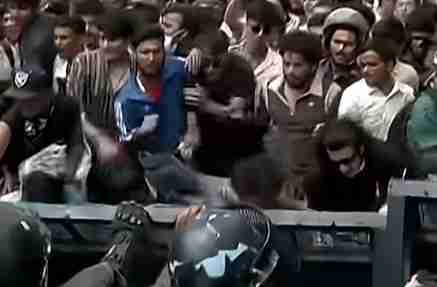
- Escalation: Clashes from Sept. 8–11 involved water cannon, tear gas, rubber bullets and reported live fire.
- Human cost & damage: Reports put deaths between at least 19 and up to 30, with hundreds injured and major buildings burned.
- Political fallout: Prime Minister KP Sharma Oli and several ministers resigned amid pressure and uncertainty.
Protests and timeline
The unrest began as mass rallies of young people who self-identified as Gen Z, using online networks to organize. The government’s social media restriction announced on Sept. 4 aimed to curb coordination but instead became a flashpoint for broader dissatisfaction.
Key dates:
- Sept. 4: Social media ban announced; activists say it catalyzed nationwide mobilization.
- Sept. 8: Large demonstrations in Kathmandu and other cities; security forces escalated crowd-control measures.
- Sept. 10–11: Violence broadened — parliament, courts, ministries, police stations and private homes suffered arson and looting; Tribhuvan International Airport was briefly closed.
Causes: catalyst and deeper wounds
While the social media ban was the immediate catalyst, reporting and interviews point to long‑standing grievances: pervasive corruption, nepotism, lack of accountability and frustration among young Nepalis seeking meaningful reform.
Protest culture showed distinct youth symbolism and tactics — volunteers organized decentralized networks and used visual markers such as the One Piece Straw Hat flag. Organizers say the movement was largely independent of traditional party structures, though authorities and some sources alleged infiltration by outside groups and party cadres.
Policing, human rights and responses
Security forces deployed water cannon, tear gas and rubber bullets. Multiple reports and footage documented instances where live ammunition was used against crowds. Human Rights Watch recorded alleged indiscriminate firing and urged independent probes.
International calls: The United Nations and rights groups demanded restraints and transparent investigations into the use of force.
Casualties, damage and political shakeup
Human toll: On Sept. 8 alone, some sources reported at least 19 dead and over 300 injured; later tallies by Sept. 10–11 rose toward estimates between 22 and 30 deaths. Sources vary by report and timing.
Property and infrastructure: Parliament, the Singha Durbar administrative complex, courts, ministries, police stations, media offices and private homes were reported burned or looted. Video and on-the-ground coverage documented widespread damage and the temporary closure of Tribhuvan International Airport.
Political fallout: Street pressure and international concern led to the resignation of Prime Minister KP Sharma Oli and several ministers, including the home minister, producing a leadership vacuum and greater uncertainty.
International reactions
Global human-rights organizations and the United Nations called for independent investigations and restraint. Observers warned prolonged instability could harm Nepal’s economy, travel links and regional relationships.
Implications for Redding, California
Direct trade between Redding and Nepal is limited, but local effects may include:
- Travel disruptions: Airport closures and flight cancellations could affect Nepali families and travelers in Redding.
- Remittances and families: Local Nepali-American families may face delays, worry for relatives and potential financial strain if remittance channels are interrupted.
- Community response: Churches, charities and civic groups in Redding may be called on for counseling, information and assistance to affected residents.
- Civic lessons: The episode highlights tensions between demands for accountability and the need for rule of law — a point likely to resonate with conservative and civic-minded audiences.
Reporting and verifying events
This account draws on multiple sources, including Human Rights Watch, ABC News, UN News, background entries on Wikipedia and on-the-ground video coverage.
Sources differ on casualty counts and motive claims; rights groups and the U.N. have urged transparent, independent investigations. Independent verification remains essential as events evolve.
Next steps and what to watch
- Whether independent probes into police conduct will be launched, as pressed for by Human Rights Watch and the United Nations.
- Political stabilization after resignations and possible leadership changes noted by ABC News.
- Whether authorities will address corruption and nepotism complaints that underpinned the unrest, and whether reforms can reduce future tensions.
- Monitoring travel advisories and embassy guidance affecting travelers and Nepali families in Redding.