
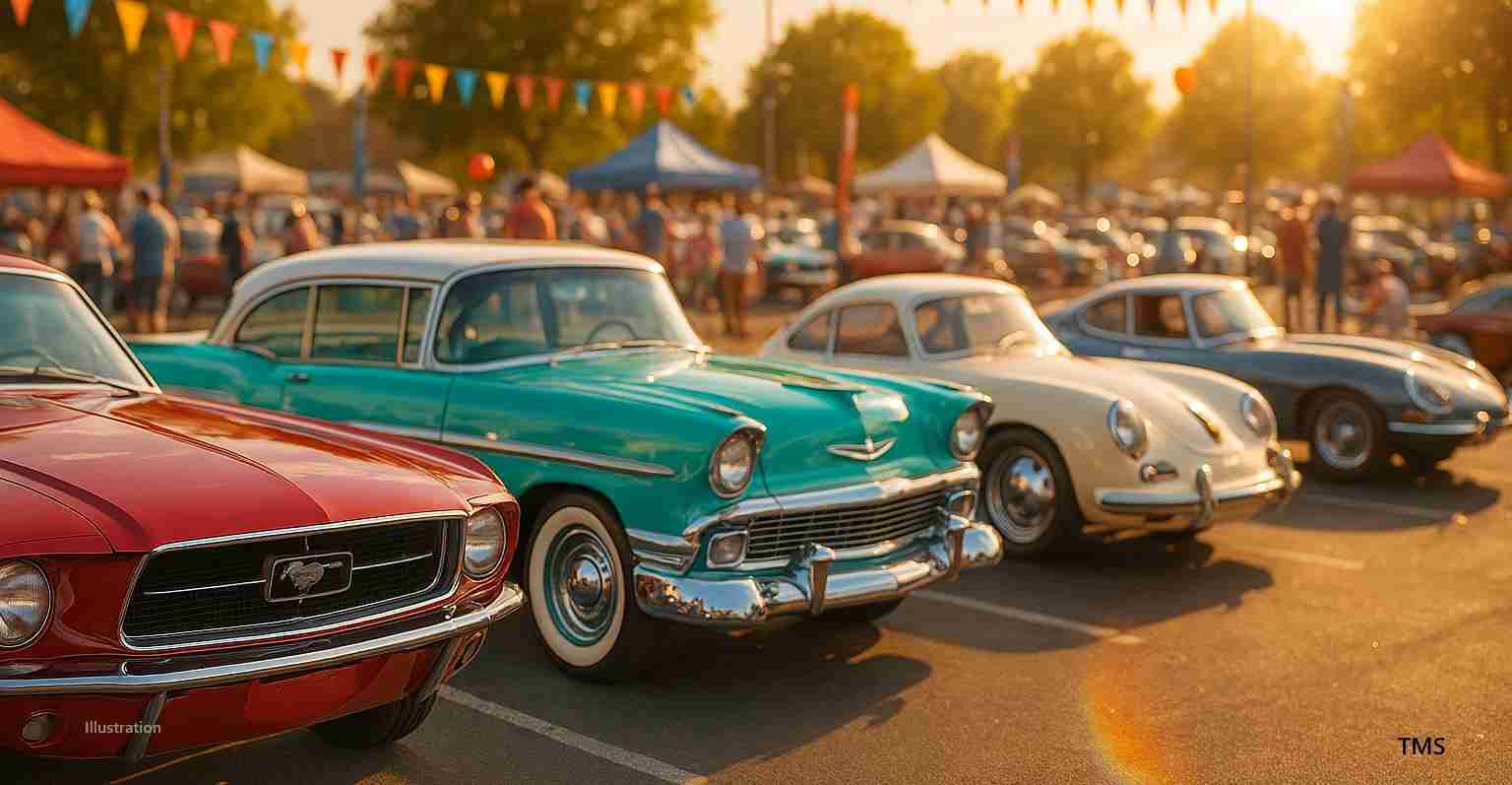
Lawmakers Reject “Jay Leno” Bill; California Classic Cars Will Still Need Smog Checks
California lawmakers have rejected Senate Bill 712 — the so‑called “Jay Leno” bill — leaving vehicles from model year 1976 and newer subject to existing biannual smog checks, a blow to collectors seeking regulatory relief and restoration industry stimulus.
Key takeaways
- SB 712 proposed a rolling 35‑year exemption for collector‑insured cars but was blocked in committee.
- Current law still requires smog checks for gasoline, hybrid and many alternative‑fuel vehicles from 1976 onward.
- Supporters included Jay Leno and the Specialty Equipment Market Association (SEMA); opponents cited air‑quality and precedent concerns.
- Outcome leaves restoration shops and smog stations with continued demand, while collectors remain frustrated.
What happened
REDDING, Calif. (Times Media Service) — Senate Bill 712, nicknamed the “Jay Leno bill” and authored by Senator Shannon Grove, sought to create a rolling 35‑year exemption for vehicles insured as collector cars. The measure died in the Assembly Appropriations Committee under the legislature’s “suspense file” process, meaning cars from 1976 and newer remain subject to California’s biannual smog program.
Background: what the bill would have changed
SB 712 proposed reinstating a moving cutoff tied to vehicle age: a car at least 35 years old and insured as a collector would be exempt from the state’s smog‑check program. In practice the exemption would advance one year each calendar year — for example, in 2025 that would have meant cars from 1990 and earlier could have qualified if the bill had passed (Japanese Nostalgic Car).
“Supporters said the change would protect classic car culture and boost jobs in restoration and parts supply,” proponents argued, while opponents warned of potential erosion of emissions safeguards.
Current law and history
California enforces smog checks for virtually all gasoline‑powered, hybrid and certain alternative‑fuel vehicles from model year 1976 onward. Only vehicles from 1975 and earlier are exempt under current law, following the repeal of a rolling exemption in 2006 that left a fixed cutoff year (California Bureau of Automotive Repair — Smog Check; Japanese Nostalgic Car).
Why the bill died
SB 712 was stopped in the Assembly Appropriations Committee where staff often place bills on a “suspense file” when they raise fiscal or policy questions. Many bills on the suspense file never receive a hearing or vote and effectively die without detailed public explanation (LAist; CalMatters).
Stakeholders: who weighed in
- Celebrity and industry support: Jay Leno publicly backed the bill and groups such as SEMA emphasized jobs in restoration and the aftermarket.
- Regulators and environmental advocates: The Bureau of Automotive Repair and air‑quality advocates view smog checks as a key emissions‑control tool.
What this means for car owners across California
Because SB 712 was blocked, owners of vehicles built in 1976 and later must continue to:
- Submit cars for a smog inspection every two years, or when required at sale.
- Budget for test fees and any repair costs needed to pass inspections.
- Rely on resources from the Bureau of Automotive Repair — Smog Check for details and station locators.
Implications for Redding, California
Economic impact
Local small shops and restoration businesses in Redding face mixed effects. Continued smog requirements preserve revenue for inspection and repair services, while supporters of SB 712 argued an exemption could have expanded restoration projects and parts sales by reducing ownership costs (Aftermarket Matters).
Political consequences
For conservative audiences in Redding, the bill’s failure reinforces concerns about regulatory overreach from Sacramento. The quiet suspension of SB 712 via the appropriations “suspense file” could drive local advocacy for more transparent legislative processes (CalMatters).
Social and cultural effects
Redding’s active car community may feel the decision curtails younger buyers and new restorers from investing in older vehicles that require regular smog compliance. Enthusiast groups could use the outcome as a rallying point to organize and propose targeted compromises (Japanese Nostalgic Car).
Practical effects for Redding vehicle owners
- Owners of 1976+ vehicles must continue biennial smog tests and plan for repair costs.
- Collector‑insured owners who had hoped for relief should consider local advocacy or insurer discussions about alternative compliance pathways.
- Helpful resources: Bureau of Automotive Repair — Smog Check.
Paths forward and local action
Local collectors, restoration businesses and civic groups in Redding have options:
- Contact legislators: Reach out to Assembly Appropriations Committee members to request explanations and urge public hearings (CalMatters).
- Build coalitions: Restoration shops, parts sellers and car clubs can propose safeguards such as mileage limits, collector insurance verification, or audits to address emissions concerns (Aftermarket Matters).
- Track future bills: Monitor legislative calendars and prepare testimony if similar measures return (LAist).
Sources and further reading
- LAist: “Classic cars will continue to require smog tests after ‘Jay Leno bill’ is rejected”
- California Bureau of Automotive Repair — Smog Check information
- Aftermarket Matters: “New ‘Jay Leno’ law aims to exempt classic cars from smog checks in California”
- CalMatters: “California kills Jay Leno classic car smog bill”
- Japanese Nostalgic Car: “California Leno’s Law — SB 712 classic car smog exemption explainer”



