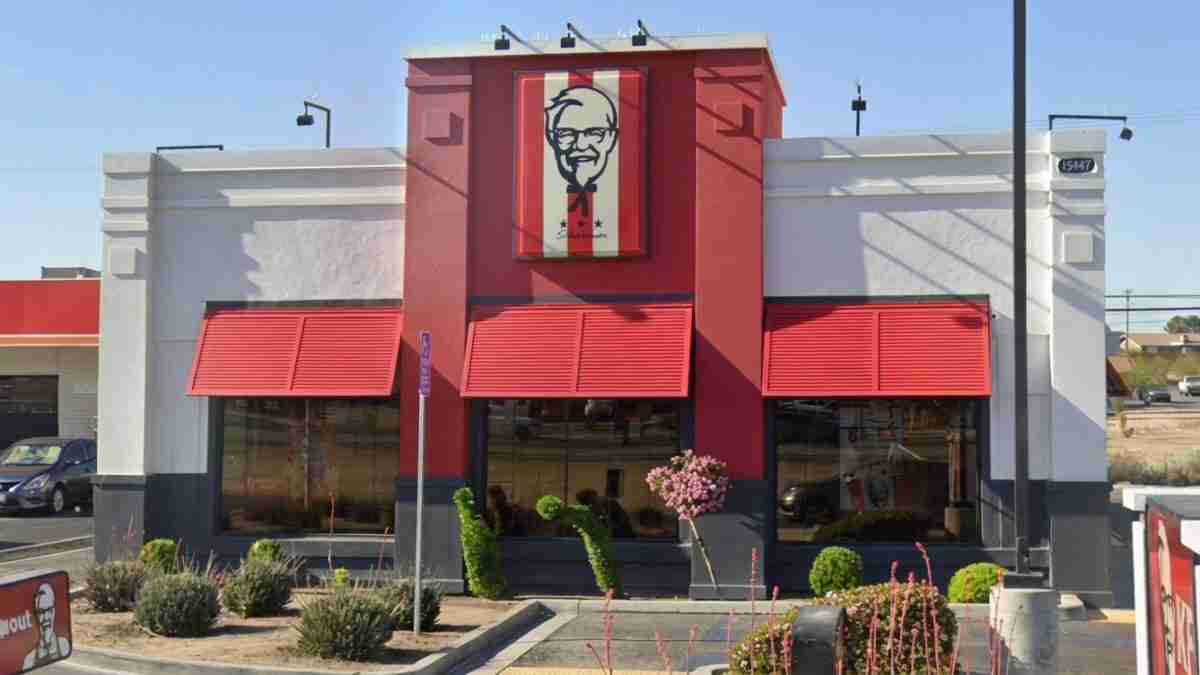
LOUISVILLE, Ky., July 19 (Nationwide Times) — KFC’s switch from Kentucky Fried Chicken to KFC in 1991 was a branding decision, not a response to a chicken scandal. The company said it wanted a shorter name and less emphasis on the word “fried,” which made the brand sound heavier and less flexible. KFC later summed up the idea on its website this way: “KFC is just easier to say with your mouth full.”
At a business level, the move was about image. A shorter name can be easier to advertise, easier to remember, and easier to use if a chain wants to be known for more than one menu item. KFC was still selling chicken. It was trying to update how customers thought about that chicken.
Why change the name?
The company’s public explanation was simple: shorten the brand and soften the fried-food message. That kind of change matters because names shape expectations. “Kentucky Fried Chicken” tells customers exactly what to expect. “KFC” leaves more room for the brand to grow.
For a national chain, that can be a useful move. It can make the brand feel less tied to one cooking method and more adaptable across markets, menus, and advertising.
Did Kentucky force KFC to pay for using the state name?
That is one of the most persistent myths about the rebrand. The rumor says the Commonwealth of Kentucky trademarked its own name and made the chain pay licensing fees to keep using “Kentucky.” The company, however, said the name change was its own branding choice.
The supporting material that keeps the rumor alive does not include a Kentucky filing or court record showing that a state licensing fee was the reason for the switch. In other words, the story is repeated often, but the documented reason remains the company’s own explanation about branding.
Where did the mutant-chicken rumor come from?
This one is more sensational. It claimed KFC changed its name because it was serving genetically altered birds and wanted to stop saying “chicken.” KFC spokesman Rick Maynard rejected that story, saying the company uses poultry from trusted suppliers such as Tyson and Pilgrim’s Pride, the same brands customers know from supermarkets.
Fact-checkers have described the mutant-chicken claim as a long-running email hoax that has circulated for decades. It is the kind of rumor that spreads easily because it sounds dramatic, even though it does not match the company’s explanation or its supplier statement.
Why do the myths last so long?
Because the real story is ordinary. A branding refresh is easy to miss. A state trademark fight or a lab-grown chicken scandal is easier to remember and easier to repeat. Once those ideas get attached to a famous brand, they can outlive the facts.
The KFC rebrand was part of a larger business strategy: keep the brand recognizable, but make it feel broader and less tied to fried food. The old name still lives on in the company’s history, but the reason for the switch was simpler than the rumors that followed it.