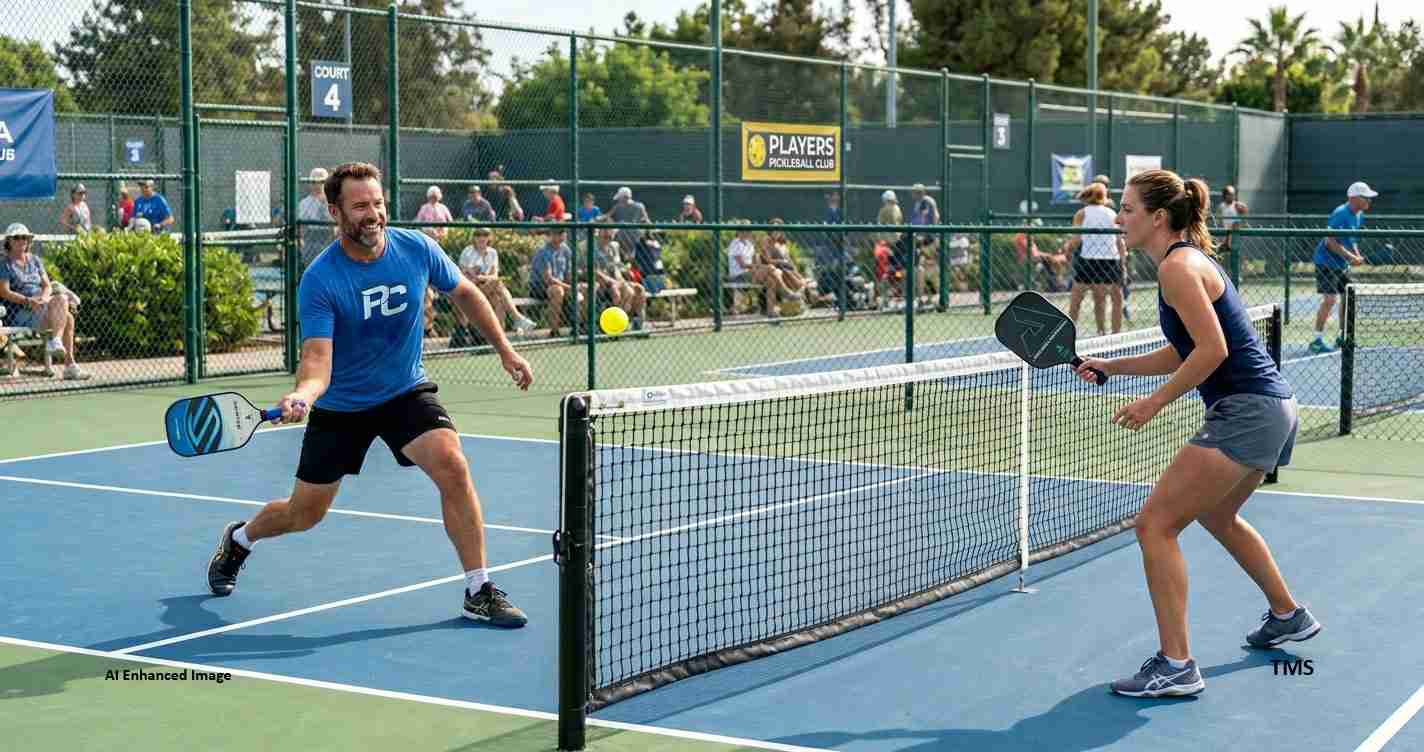
McEnroe’s Pickleball Beef: ‘Stupid’ Sport, Big Pay — And a Sound Problem
Tennis great John McEnroe derides pickleball as “stupid” and “annoying,” yet publicly accepts lucrative exhibition pay, including the Pickleball Slam — a contradiction he admits, citing money, camaraderie and objections to the sport’s sound and name.
- Contradiction: McEnroe has repeatedly slammed pickleball while taking sizable appearance fees, including for televised events.
- On-air clash: His remark on the MacZone broadcast drew pushback from Genie Bouchard.
- Sound and image: He cites the plastic ball’s noise and the sport’s “goofy” name as major negatives.
- Local stakes: The debate ties to real policy choices for cities like Redding — court conversions, noise mitigation and economic opportunity.
McEnroe’s on-air barbs and Bouchard pushback
During the MacZone alternate broadcast of the French Open, John McEnroe told Genie Bouchard that a player “leaves the sport to play that damn stupid pickleball,” prompting Bouchard — who has moved into professional pickleball — to note McEnroe’s own participation in the game. Clips and writeups of the exchange circulated widely on social media and in coverage by outlets such as The Spun.
“Leaves the sport to play that damn stupid pickleball,” — John McEnroe (MacZone segment)
Paychecks, exhibitions and the Pickleball Slam
McEnroe has admitted he played pickleball “two weekends” and was paid more for those appearances than for some of his tennis gigs. He also appeared in the televised Pickleball Slam, a high‑purse event that featured former tennis stars and reportedly offered big payouts. Coverage and analysis appear in outlets including the Miami Herald, The Dink and The Spun.
That dynamic fuels the “hypocrisy” narrative: McEnroe publicly dismisses the sport’s legitimacy while capitalizing on its paydays and publicity benefits.
Sound, name and the aesthetics of sport
A recurring element in McEnroe’s critique is the sound of the plastic pickleball — the hollow “plinking” that he finds “annoying” and unsatisfying compared with the “crack” of a tennis ball. He’s also mocked the sport’s brand, calling the name “goofy” and saying he thought it was “made up” when first exposed to it in school. Those complaints mirror neighborhood noise disputes where pickleball courts have proliferated, as reported in the Miami Herald and specialty outlets such as The Dink.
A pattern of public critique and private enjoyment
Despite blunt public remarks, McEnroe’s private comments show nuance: he says he doesn’t enjoy pickleball like tennis, yet praises its social aspects and calls it an “equalizer” — allowing less athletic friends to compete. Those mixed signals are chronicled in coverage by Miami Herald, The Dink and The Spun.
Public reaction and bigger questions
McEnroe’s comments prompt broader questions: is this an elder athlete defending traditional sport prestige, a publicity act, or a sincere aesthetic objection about name, sound and pace? The outcome matters for local policy debates — from noise regulation to court allocation — where communities weigh tradition against broadening participation.
Implications for Redding, California
McEnroe’s remarks, and the national conversation they reflect, have direct local implications for Redding:
Economic and recreational opportunities
Pickleball growth can drive tourism, tournaments, lessons and new-court demand that benefit hotels, small businesses and local instructors. High‑profile events like the Pickleball Slam show how star power can attract attention and dollars (Miami Herald, The Dink).
Public spending and court planning
Decisions about converting tennis courts or building dedicated pickleball facilities carry costs and can provoke pushback from tennis players and taxpayers. Redding officials must consider budgets, community priorities and potential conversion controversies when responding to demand (Miami Herald).
Noise and neighborhood concerns
McEnroe’s critique of the ball’s sound reflects real complaints where courts adjoin housing. Redding may need to explore hours, buffer zones, court placement or acoustic mitigation to balance recreation with residents’ peace (The Spun, Miami Herald).
Community values and recreation equity
For older or less athletic residents, pickleball is an equalizer — a low‑cost, social activity that expands access. That social benefit may resonate in conservative communities valuing grassroots recreation and neighborly ties (The Dink).
Local politics and public debates
Expect spirited public meetings: McEnroe’s mix of critique and cashing checks can fuel arguments over authenticity, economics and public priorities. City councils and parks commissions should be ready for both pro‑pickleball and pro‑tennis voices (The Dink).
Reporting and sources
- Miami Herald
- The Dink
- The Spun
- Tennis Warehouse thread
- YouTube clip (X3NlFFQ‑lS4)
- YouTube clip (RvSi6WuXExg)
Note: This article preserves reporting and source links used in coverage of John McEnroe’s remarks, his participation in pickleball exhibitions and the broader debate over the sport’s growth, sound issues and community impacts.