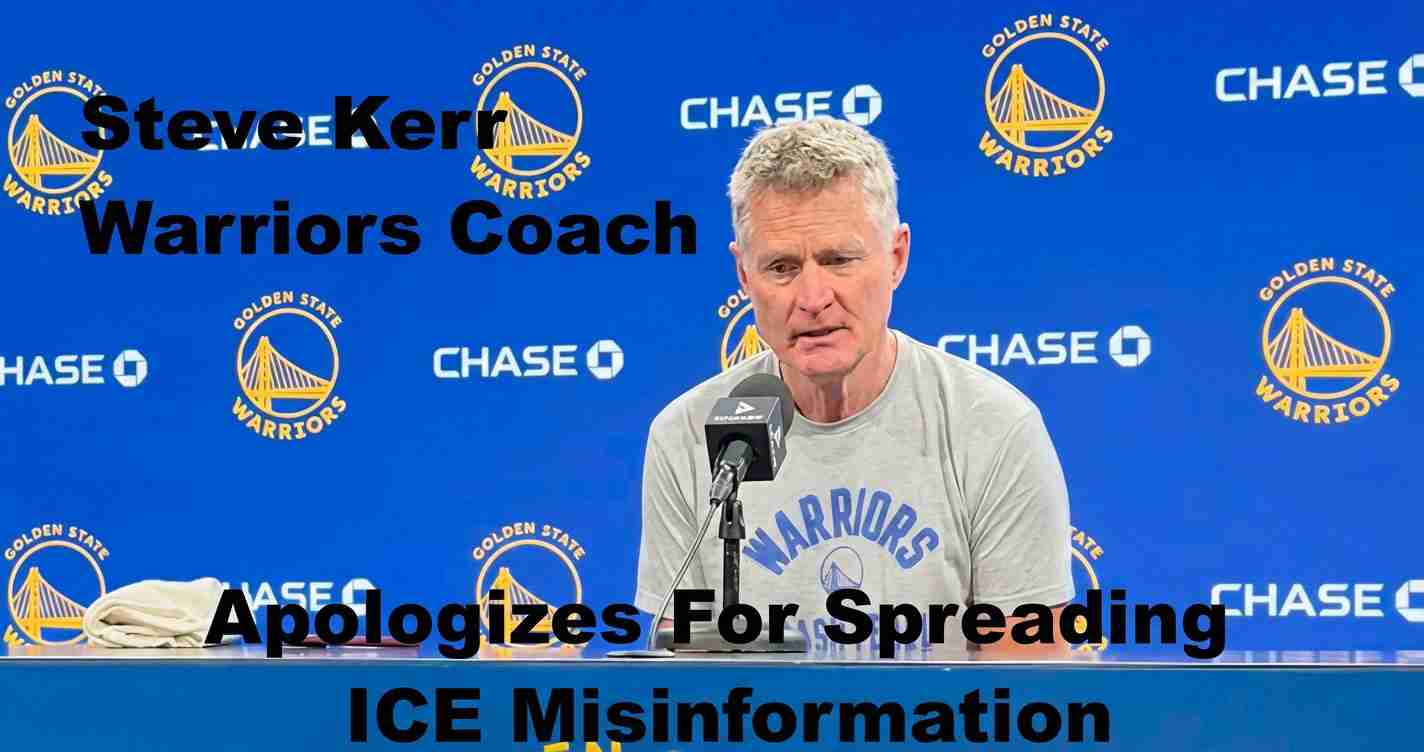
Steve Kerr issues apology after “misinformation” on ICE detentions amid Minneapolis shootings, draws criticism for earlier remarks
Golden State Warriors coach Steve Kerr apologized for spreading “misinformation” about ICE detentions after postgame remarks in Minneapolis, saying he “definitely misspoke,” amid protests following two fatal shootings involving federal agents that had intensified local tensions.
Key takeaways
- Steve Kerr initially said federal agents were “taking 5‑year‑old kindergartners and U.S. citizens” and later said, “I definitely misspoke.” Sources: Fox News, SoapCentral.
- Comments came during heightened tensions after two deadly officer‑involved shootings in Minneapolis and a postponed NBA game. Context: Sports Illustrated, Awful Announcing, Fox News.
- DHS disputed his characterization and public reporting does not independently verify details about the child Kerr named. Coverage: Fox News.
Kerr’s initial remarks and the Minneapolis context
On the road in Minneapolis after a Warriors loss to the Timberwolves, Kerr criticized federal immigration enforcement during a postgame news conference. He said, “It’s not like they’re rooting out violent criminals, they’re taking 5‑year‑old kindergartners and U.S. citizens and detaining people,”
and urged Congress to act on immigration rather than relying on aggressive street enforcement. Reporting: Fox News, Awful Announcing.
Those comments came amid what Kerr called a “really bizarre few days” in the city. Two recent shootings involving federal agents — one by a Border Patrol agent that killed 37‑year‑old Alex Pretti and another weeks earlier that killed 37‑year‑old Renee Good — prompted protests, a moment of silence by the Timberwolves and heightened media attention. Context and coverage: Fox News, Sports Illustrated, Awful Announcing.
Video, witness accounts and competing narratives
Kerr used strong language about Renee Good’s death, calling it “murder” and criticizing official accounts that were disputed by video and witness statements. Those disputes and the resulting protests drew statements from players’ representatives and team officials, and the National Basketball Players Association expressed support for protesters and victims’ families. Coverage: Awful Announcing, Fox News.
DHS disputed the case Kerr cited
Kerr had specifically referenced the detention of a 5‑year‑old in his remarks. The Department of Homeland Security publicly disputed the broad characterization that agents were “taking 5‑year‑old kindergartners,” and federal officials noted that enforcement actions can include arrests of people with criminal records. Independent public records about the child Kerr named are limited, and searches did not turn up verification linking the child to the shootings Kerr referenced. Reporting: Fox News.
Kerr’s apology: “I definitely misspoke”
Less than 24 hours after returning from Minneapolis, Kerr addressed the controversy during a Friday pregame session at Chase Center. Speaking to OutKick, the coach said, “You’re right, I definitely misspoke, and I knew that ICE was arresting some criminals,”
acknowledging the error while maintaining broader concerns about enforcement tactics. The brief apology sought to correct a factual overreach after Kerr had earlier warned that misinformation and a for‑profit news cycle deepen national divisions. Coverage: Fox News, Sports Illustrated.
Local reactions and the role of public figures
Kerr’s comments and his subsequent correction highlight the influence public figures have in shaping narratives during charged moments. Some local leaders and law‑and‑order advocates say high‑profile criticism should be grounded in verified facts, while others defend coaches and players who speak out on social issues, arguing their platform draws attention to accountability concerns. Sources: Awful Announcing, Sports Illustrated, Fox News.
Questions left unanswered
Public reporting has not produced detailed, independently verified records about the child Kerr named, and DHS responses have not satisfied all observers. OutKick’s full interview and any extended remarks Kerr made there are not widely archived in the news coverage examined for this piece, leaving gaps about the specific cases that prompted Kerr’s original charge. Reporting referenced: Fox News, SoapCentral, Awful Announcing.
Implications for Redding, California
Economic impact
Local businesses in Redding could feel indirect effects when national sports figures spark controversy. Public attention to protests or boycotts tied to a team can alter crowd patterns at sports bars and retailers that carry team merchandise. Tourism tied to regional interest in the Warriors may be small, but vendors that broadcast NBA games could see short‑term shifts in patronage. The key for business owners is stability and predictable event traffic rather than headline‑driven swings.
Political consequences
For conservative voters in Redding, Kerr’s episode reinforces concerns about celebrities weighing in on complex policy issues without full facts. Local officials and candidates may use the episode to argue for careful vetting of claims and for stronger support of law enforcement and border security.
Social effects
The incident underlines how quickly social tensions can spread from one city to another. Residents who follow national news may become more polarized on immigration enforcement and protests. Community groups focused on law‑enforcement support or immigrant advocacy may use this moment to increase local events, panels or outreach.
Cultural relevance
Redding’s conservative-leaning audience often values law and order, personal responsibility and factual accountability. Kerr’s apology may be seen as a reminder that public figures must be careful when commenting on criminal matters and that mistakes should be promptly corrected — though some may still sympathize with speaking out against perceived injustice.
Practical applications for residents
Voters and community leaders in Redding can use this episode to demand clear facts before forming public judgments: rely on primary sources, official statements and verified reporting. For parents and schools, it’s also a prompt to discuss media literacy — how to spot unverified claims, check sources and separate opinion from confirmed fact.
Sources and further reading
- Fox News: Steve Kerr says immigration should be addressed by Congress; claims feds taking 5‑year‑old kindergartners
- SoapCentral: What Steve Kerr said — Warriors coach apologizes after accusing federal agents of taking 5‑year‑old kindergartners
- Awful Announcing: Steve Kerr discusses ‘a really bizarre few days’ in Minneapolis amid protests and immigration debate
- Sports Illustrated: Steve Kerr pointed to the state of the country after fatal shootings in Minneapolis
- YouTube (short clip of comments)
Reporting compiled from the above sources; Times Media Service.