Cruisers spar over stateroom door decor as lines tighten rules, citing safety and theft
Cruise passengers face new limits on stateroom door decorations as major lines, led by Royal Caribbean, enforce stricter rules citing fire safety, adhesive damage and rising theft of magnets and keepsakes, prompting debate across cruisers.
Key takeaways
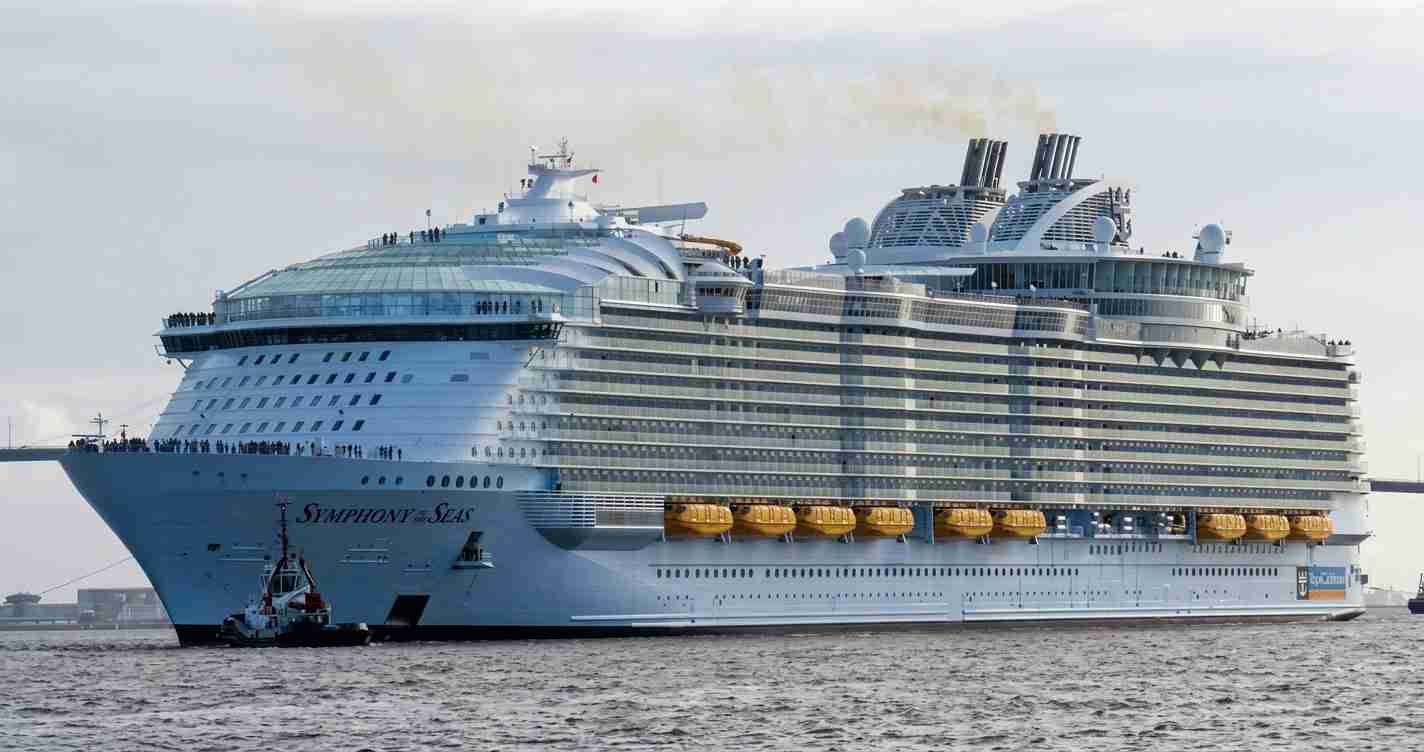
- Royal Caribbean circulated a notice aboard Symphony of the Seas tightening limits on door decorations — coverage and the notice were published by Cruise Hive.
- Lines cite three main concerns: fire safety, damage from adhesives, and growing reports of magnet theft and vandalism.
- Frequent cruisers value personalization and ease of navigation, while others accept stricter enforcement to protect safety and ship upkeep.
- Passengers and travel agents — including those in Redding, California — are adapting with approved materials, alternative identification methods and clearer pre-cruise guidance.
Main story
What changed on Symphony of the Seas
A letter circulated to guests aboard Royal Caribbean’s Symphony of the Seas warned that materials placed on stateroom doors, along corridors or elsewhere on the ship may be prohibited or must meet strict standards. The notice and passenger reaction were reported by Cruise Hive, sparking renewed debate in online cruise communities.
The tradition and passenger perspective
Passengers often decorate doors with personalized signs, banners and magnets to mark birthdays, anniversaries and group trips. Supporters say decorations are practical — they help groups find each other in long, identical hallways — and part of cruise culture. Opposing posts document concerns about being the only decorator, or about decorations disappearing during a voyage.
“Decorations helped six friends with drink packages locate their door during a group trip,” one passenger wrote on social platforms, reflecting how practical small markers can be.
Safety and maintenance concerns cited by cruise lines
Cruise operators emphasize that ship doors and partitions are built to fire-rating standards intended to slow fire spread. Lines warn that non–fire-retardant materials, string lights or added wiring can compromise those protections.
Examples of public guidance include Carnival’s rules allowing only fire-retardant decorations and forbidding string lights, and Disney’s warnings against adhesives that can damage door finishes. These industry concerns mirror the wording found in reporting by Cruise Hive.
Adhesive damage is an operational problem: heavy tape, superglue and certain gels can peel paint or harm metal finishes, leading to expensive repairs and cosmetic work. Disney Cruise Line explicitly instructs guests to avoid tape and similar adhesives to protect door finishes.
Theft, vandalism and onboard conduct
Rising reports of stolen magnets and decorations have intensified the push to limit decor. Passengers across Royal Caribbean, Princess, Carnival and Disney have reported magnets or personalized items taken or damaged. Forum posts and blogs document sentimental items disappearing or being vandalized, sometimes linked to intoxicated or rowdy hallway behavior.
Community discussion on message boards — such as the RoyalCaribbeanBlog forum — includes many firsthand accounts suggesting theft is not isolated and can spoil vacations for affected passengers.
Passenger reactions: freedom, convenience and precaution
Reactions split between those who view decorating as harmless personalization and those who accept stricter enforcement for safety and upkeep. Many frequent cruisers argue modest magnets and paper signs pose minimal risk and enhance the trip, while others travel with inexpensive, replaceable magnets or skip decorating altogether to avoid theft or policy conflicts.
Common passenger precautions include:
- Bringing low-cost or easily replaceable decorations
- Photographing door setups as proof of ownership
- Attaching items inside cabins instead of on doors
How passengers are adapting
Cruisers report simple workarounds: using only approved, fire-retardant materials; positioning decorations inside the cabin; or buying inexpensive magnets that can be replaced if taken. Some photograph decorations, log serial numbers or sentimental details, and prepare to report theft if needed. These steps show passengers trying to balance personal choice with practical risk management.
Policy differences across cruise lines
While Royal Caribbean’s notice on Symphony of the Seas highlighted the issue, the trend toward tighter enforcement exists industry-wide. Carnival, Disney and other brands publish specific guidance that varies in wording and enforcement but shares the same goals: safety and protection of ship interiors. Travelers who value decorating should check their cruise line’s published rules before sailing.
Implications for Redding, California
Economic impact
Local travel agents and small businesses in Redding that sell cruise packages may see more questions about door decor rules. Agents who provide clear guidance can convert confusion into bookings by offering packing lists and approved-materials checklists.
Redding residents who sail from West Coast ports — San Francisco, Los Angeles/Long Beach or San Diego — may change buying habits, opting for low-cost, replaceable decorations or skipping decor purchases altogether.
Political consequences
Some conservative travelers in Redding may view stricter enforcement as corporate overreach. Local travel clubs and civic groups organizing cruises could press agents for clearer rules that balance safety with passenger enjoyment. While elected officials rarely intervene in private industry policy, community leaders (veterans groups, church outings, senior centers) may lobby indirectly by coordinating with travel providers.
Social effects
Decorations serve as social cues for group gatherings. Redding’s retiree and family travel communities often rely on small visual markers to keep groups together. A crackdown could complicate logistics for larger parties and make some locals more cautious about bringing sentimental items.
Cultural relevance
Door decorating reflects Do-It-Yourself celebration and community values that resonate in Redding. The debate may affect residents who cherish low-cost traditions while recognizing the need for reasonable safety measures.
Practical applications for Redding travelers
- Check your cruise line’s published rules on door decor and adhesives before booking.
- Use only approved, fire-retardant materials or keep decorations inside the cabin where required.
- For group trips, prepare alternative identification plans: matching wristbands, photos with cabin numbers saved in a group chat, or a single approved door sign if allowed.
- Travel agents can offer quick reference sheets on decoration rules, recommended materials and theft-prevention tips to build client trust.
Conclusion
This discussion shows a collision between a long-standing passenger tradition and the practical constraints of operating large passenger ships. As cruise lines tighten enforcement, passengers and travel providers — including those in Redding — are adapting with smaller, safer decorations, alternate ID methods and clearer pre-cruise guidance to keep vacations safe and enjoyable.
Sources and further reading
- Cruise Hive: “Royal Caribbean guest issues warning after cruise magnet theft”
- RoyalCaribbeanBlog forum: “Magnet thieves and drunk adults”
Reporting and community posts cited above include firsthand accounts from message boards and cruise blogs; official cruise-line guidance on door decorations and adhesives appears in public guest-facing materials from Carnival, Disney and Royal Caribbean as noted in the sources.