
Tehran’s Strait of Hormuz closure and shadow fleet crackdown threaten to squeeze Russia, China — and push energy costs higher
Tehran’s declaration to close the Strait of Hormuz and Western moves against the shadow fleet risk severely disrupting global oil flows, squeezing Russia and China and pushing energy costs higher with wide geopolitical and local economic effects.
- Strait transit volumes collapsed: commercial transits fell from about 153 per day to roughly 13 after strikes and threats, sharply constraining a chokepoint that carries ~20% of global oil trade (CSIS).
- Shadow-fleet operations under pressure: interdictions and higher operational risk are raising costs and seizure risk for gray‑market tankers that move sanctioned oil (Fox News).
- Russia and China exposed: price caps on Urals crude and disrupted clandestine routes could tighten Moscow’s revenues and raise China’s delivered energy prices, affecting industry and logistics (Fox News; CSIS).
- Local impact: communities like Redding, California, may see higher pump prices, elevated costs for diesel-dependent services, and tighter municipal budgets for emergency response.
Iran’s closure threat and shipping disruption
Iran’s Islamic Revolutionary Guard Corps publicly declared the Strait of Hormuz closed and warned ships they risk being set alight if they try to pass. That public warning followed strikes and a pattern of attacks on commercial vessels and regional energy infrastructure — coverage and reporting include ABC7 Chicago and analysis from CSIS.
Transit data show a severe collapse: ship-tracking records indicate transits fell from roughly 153 per day to about 13; on March 2 only a single oil tanker was recorded. Merchant mariners now fear missiles and drones, and many owners refuse to send ships through the area, creating an immediate logistics shock (CSIS).
How the Strait of Hormuz closure hits the shadow fleet
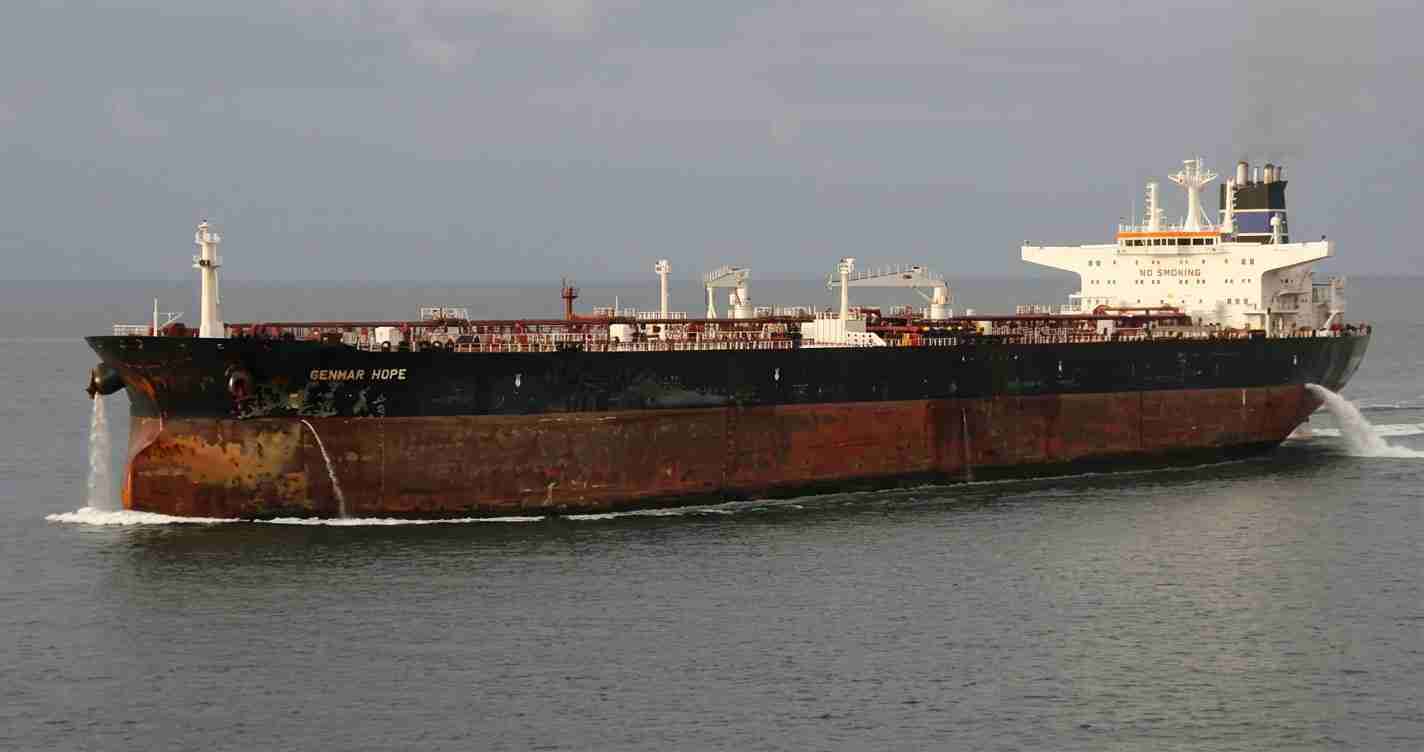
The shadow fleet is a loose network of unflagged or surreptitiously flagged tankers that helped sanctioned states move oil outside regular systems. These vessels often sail with minimal insurance and classification, and they have been central to sanctions‑evasion by Iran and Russia (Fox News).
Many gray-market cargoes either transit near Hormuz or must coordinate with traffic through the region. Iran’s closure and attacks sharply raise voyage risk: older hulls, scant insurance, missile and drone threats, and the growing chance of interdiction all increase cost, delay, and likelihood of seizure. In effect, Tehran’s strike campaign is destabilizing the clandestine shipping system it and partner states rely upon (CSIS; Fox News).
Western moves to physically disrupt illicit shipping
Western governments have moved beyond sanction lists to active operations at sea. The U.S. has established tight controls on certain imports and warned partners about supplying malign regimes; European states are seizing or redirecting suspect tankers.
“Belgium interdicted the MT Ethera and redirected it to Zeebrugge for seizure” — officials tied the ship to Iran’s elite circles, highlighting networks that move Iranian and Russian crude through opaque channels (Fox News).
Price caps, Russia and the squeeze on war funding
A Western-led consortium enforces a price cap on Russian Urals crude — recently set near $44 per barrel. Shadow-fleet routing was a principal workaround to that cap. If clandestine logistics now face greater risk, cost, and seizure, Moscow’s ability to move discounted barrels and preserve revenue will be strained (Fox News).
Higher transport costs, longer rerouting, and seizure risk raise the marginal cost per barrel. Fewer buyers for gray-market oil or lower netbacks could tighten Russia’s fiscal space, with direct implications for funds available to sustain war operations.
China’s exposure: energy, industry, and supply chains
China imports a significant share of its oil and LNG through Hormuz — estimates put as much as 40% of oil and 30% of LNG transiting the strait. After strikes and Iran’s closure, many Chinese vessels halted transits and some were left trapped in the Gulf. Beijing has publicly asked for safe passage but cannot guarantee security under current threats (CSIS).
Beijing also depends on discounted Iranian and Russian barrels that move through gray markets. If those flows shrink or become costlier, China could face higher delivered energy prices — raising heavy-industry costs, feeding consumer inflation, and complicating military logistics reliant on steady fuel access (CSIS; Fox News).
Security context and U.S. maritime action
The maritime crisis follows broader escalation after coordinated strikes on Iran’s leadership. Iran has used drones and missiles against shipping. U.S. Navy and CENTCOM responses have included strikes on vessels linked to Iranian drone operations, publicized to deter further attacks and protect commercial traffic (CFR Global Conflict Tracker; Fox News).
Net effect: the maritime environment from Hormuz to the North Sea and Caribbean has become far more hostile to clandestine tanker operations, amplifying sanctions pressure on Iran, Russia, and trading partners (CSIS).
Implications for Redding, California
Economic impact: Redding residents can expect upward pressure on local fuel prices if global transport tightens. Even modest global price moves typically flow to U.S. pump prices, affecting household budgets and delivery costs.
Public services and wildfire response: Cal Fire and local districts use diesel for heavy equipment and tankers. Rising fuel costs strain county budgets — either increasing operating expenses or forcing cuts in other services.
Local businesses and agriculture: Timber, farming, trucking and construction rely on affordable fuel. Higher energy input costs compress margins and may lead conservative, small-business-oriented communities to pressure officials for changes.
Political and social effects: The crisis will refocus debate on energy independence, permitting for domestic production, and law-and-order approaches to illicit trade. In Redding, themes of national security and self-reliance will likely resonate with voters.
Practical outlook: expect short-term pump volatility. Farmers and fleets should consider hedges or bulk buying; county officials should review fuel budgets and contingency plans.


