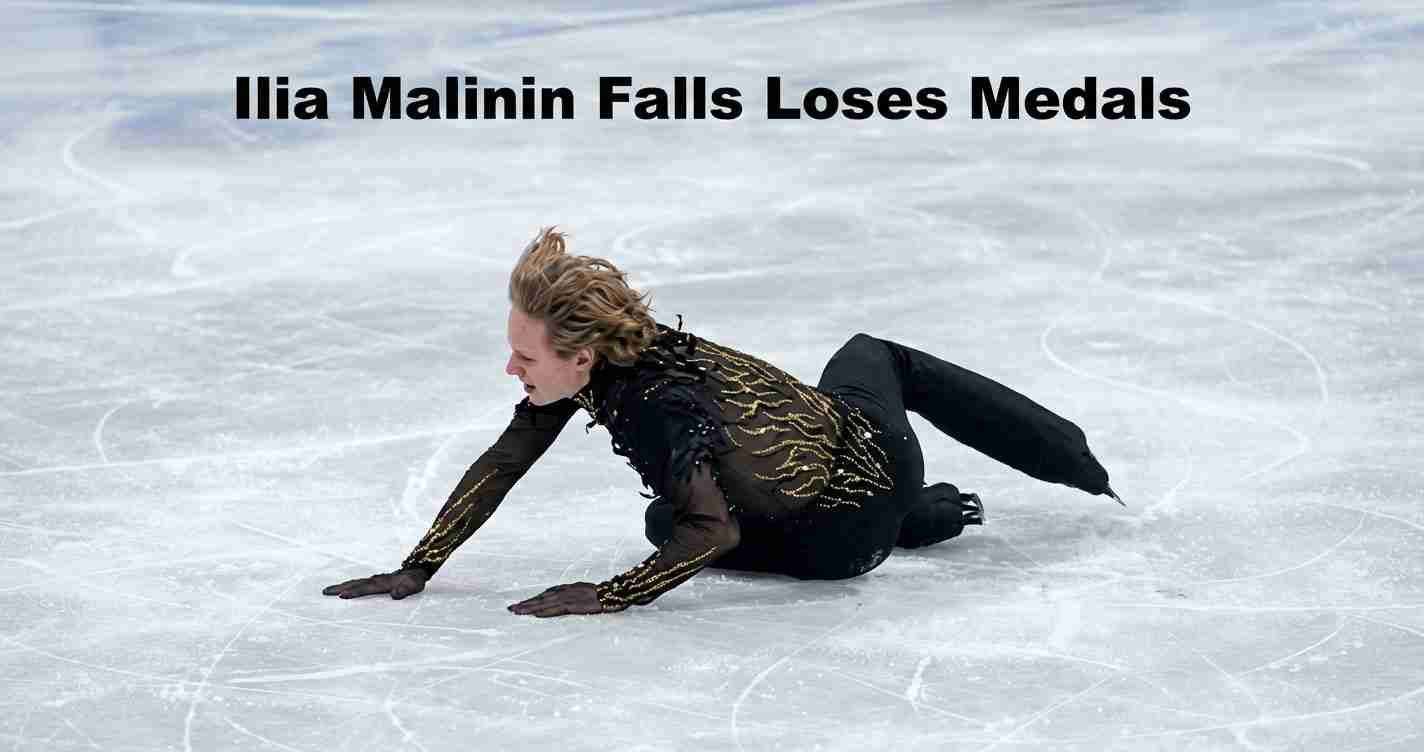
Quad King Falters: Ilia Malinin, the “Quad God,” Falls to Eighth After Error-Filled Free Skate in Milano Cortina
Ilia Malinin, 21-year-old “Quad God” of U.S. figure skating, finished eighth at the Milano Cortina 2026 Olympics after an error-filled free skate, scoring 156.33 and citing overwhelming Olympic pressure during his debut for the unexpected result.
Key takeaways
- Short-program leader, final standing: Malinin led the short program with 108.16 but finished eighth overall with a 264.49 total according to U.S. Figure Skating.
- Major errors: He popped a planned quad Axel to a single, downgraded a quad loop to a double, and fell twice (including a quad Lutz); free skate placement was 15th.
- Medal results: Mikhail Shaidorov (KAZ) won gold with 291.58; Yuma Kagiyama (JPN) silver and Shun Sato (JPN) bronze.
- Wider implications: The result highlights the interplay of technical risk, Olympic pressure and mental preparation — topics relevant to coaches, communities and local programs.
What happened in the free skate
Malinin entered Friday’s free skate as the heavy favorite after a short program that put him more than five points ahead of the field. He began the free skate with a clean quad flip, but subsequent major elements collapsed. A planned quad Axel was reduced to a single Axel, a quad loop attempt was performed as a double, and he fell on an attempted quad Lutz and again on another jump. The free skate score was 156.33, producing a total of 264.49, far below his season and career marks as reported by U.S. Figure Skating.
Contrast with recent dominance
The errors stood in sharp contrast to Malinin’s recent run: he had won 14 straight individual competitions since 2023 and helped Team USA to gold in the team event earlier in these Games. Expectations were high for a near-flawless program and a potential U.S. men’s Olympic title; instead, the pressure of the moment appeared to overwhelm him.
Malinin’s reaction
“I just felt all of those experiences, memories, thoughts really just rush in, and it just felt so overwhelming. I really didn’t know how to handle that moment,”
Malinin spoke plainly about being affected by Olympic pressure and thanked the crowd, calling the atmosphere “incredible” and highlighting the sport’s artistic side. He emphasized appreciation for fan support per U.S. Figure Skating.
Medalists and competition context
Mikhail Shaidorov of Kazakhstan delivered a personal-best performance to take gold with a 291.58 total and a free skate of 198.94 — the best free program of his career at these Games. Japan’s Yuma Kagiyama captured silver and teammate Shun Sato took bronze. Those results reflected steady, high-scoring free skates that capitalized on clean jumping and solid components when others wavered (U.S. Figure Skating).
U.S. teammates and wider U.S. results
Andrew Torgashev posted a career-best free skate of 170.12 and finished 12th overall with a 259.06 total, landing a strong quad toe and two triple Axels. Maxim Naumov, the reigning U.S. bronze medalist, struggled with quad Salchows and finished 20th with a 223.36 total (U.S. Figure Skating).
Technical backdrop: pushing the limits
Malinin is a symbol of technical innovation in men’s skating, nicknamed the “Quad God” for his repeated quads and for reviving risky elements. He legally landed a backflip as a choreographic move after the International Skating Union’s 2024–25 rule change — a development noted by CBS Sports. That innovation yields huge rewards when it works and dramatic setbacks when it does not.
Why this mattered: pressure, strategy and the Olympic stage
Skating at the Olympics mixes technical skill with mental toughness: athletes carry national hopes, face intense media attention, and compete under the brightest lights. For a young star like Malinin — who has a world-record short-program score and routine totals well above 300 — the expectations were immense.
Key investigative angles:
- Build-up and expectations: A long winning streak and dominant short program create a high bar that can both help and add stress.
- Technical risk vs. consistency: Malinin’s strategy benefits from high-difficulty jumps but is vulnerable to large score drops when elements are popped, downgraded or fall.
- Olympic debut dynamics: The once-every-four-years spotlight can intensify nerves; Malinin said those factors affected him directly (U.S. Figure Skating).
Implications for Redding, California
Economic impact
Major Olympic moments drive downtown traffic on watch nights and can lift sales at sports bars and restaurants in Redding. Even without a gold, interest in figure skating on TV and in local venues remained high, benefiting businesses that promoted Olympic viewing.
Political consequences
Local conservative readers often value resilience and accountability. Malinin’s candid admission about pressure and willingness to own the mistake can be framed as a lesson in personal responsibility and mental toughness, potentially supporting renewed interest in youth athletics funding.
Social effects
Malinin’s rise and honest reaction offer teachable moments for coaches and families. His experience can prompt local discussions on preparation for pressure, mental training and balanced approaches to technical ambition versus consistency.
Cultural relevance
While Redding is better known for outdoor life, Olympic stories unite diverse local audiences. Malinin’s technical daring and pre-Games success still resonate for fans who admire high-level achievement and the lessons of bouncing back.
Practical applications for residents
- Skating programs can advertise trial lessons tied to Olympic interest weeks and host clinics focused on jump basics and mental strategies.
- Parents and teachers can use the event to discuss handling pressure and perspective on wins and losses.
- Community centers and youth groups might screen events and host post-viewing talks with local coaches to convert interest into participation.
Sources and verification
This account is based on official reporting and statements from U.S. Figure Skating and coverage of the Milano Cortina competition. Broader context and the backflip rule change were noted by CBS Sports.