
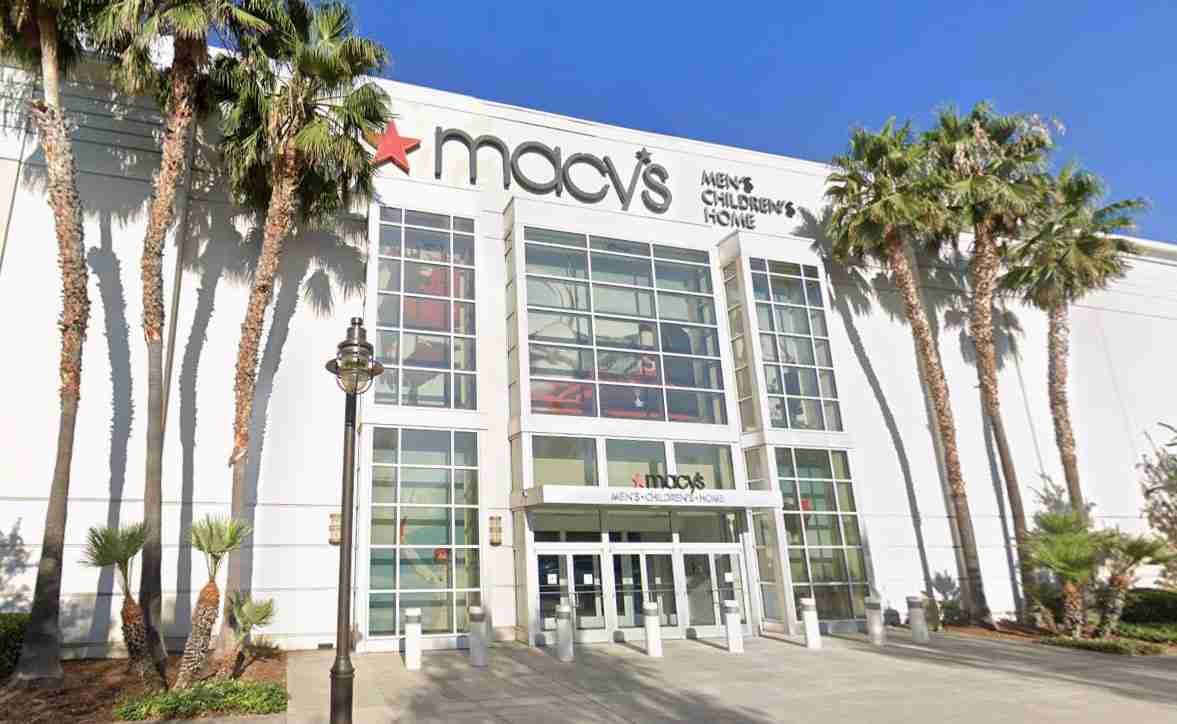
Macy’s Announces 14 More Store Closures for 2026 as It Doubles Down on “Bold New Chapter” Turnaround
Macy’s Inc. will close 14 additional stores, mostly in Q1 2026, as part of its “Bold New Chapter” plan to shutter about 150 underperforming locations by year-end and reinvest in roughly 350 higher-performing stores and digital growth.
Key takeaways
- Macy’s will close 14 more stores in early 2026 as part of a plan to shutter roughly 150 underperforming locations by year-end (Macy’s press release; reporting by Fox Business, Axios).
- Shift to 350 “go-forward” stores: Macy’s will reallocate resources to higher-performing and smaller-format locations and expand luxury offerings to improve margins (Macy’s corporate materials).
- Employee support measures: transfers, severance and outplacement assistance will be offered; liquidation sales typically run about 10 weeks (The Daily Record; Fox Business).
What Macy’s announced and why it matters
Macy’s says the next wave of closures—14 stores mostly slated for the first quarter of 2026—is part of an ongoing effort to right-size its store fleet and concentrate on locations that produce better sales per square foot. The company first outlined its “Bold New Chapter” strategy in February 2024 and has since closed dozens of stores to focus on a smaller, more productive footprint, investments in remodeled locations and an expanded digital business (Macy’s press materials).
Why it matters: Macy’s executives point to rising competition from online retailers and changing shopper habits as reasons for fleet reductions. The company says savings from closures will be used to boost staffing, update store design and improve customer experience at remaining higher-performing locations. In Q3 2025 Macy’s reported a 2% rise in comparable sales overall and stronger gains at remodeled and go-forward stores, even as net sales fell 2.3% to $4.7 billion—effects the company blamed on prior closures and lower store traffic (The Daily Record).
Which stores are on the list
Reports collated by news outlets list specific targets among the 14 announced closures. Confirmed locations include:
- Grossmont Center — La Mesa, California
- West Valley Mall — Tracy, California
- Northlake Mall — Atlanta, Georgia
- Marley Station Mall — Glen Burnie, Maryland
- Crossroads Center — St. Cloud, Minnesota
Several other states were named in reporting though not all individual sites were disclosed publicly (reporting by Fox Business, Axios, The Daily Record, Bring Me The News).
Employee support and timelines
Macy’s says these decisions are “not made lightly.” CEO Tony Spring told employees in a Jan. 8 memo that the steps will support “improved results” and allow the company to “reimagine” remaining stores. Clearance sales at closing stores typically begin in mid-January and run about 10 weeks.
Affected employees are offered transfer options to other Macy’s locations, severance pay or outplacement assistance, but Macy’s has not released precise job-loss figures tied to the announced closures (reporting by The Daily Record, Fox Business, Axios).
Strategy details: “Bold New Chapter” and store formats
Under “Bold New Chapter,” Macy’s plans to invest in a smaller set of about 350 U.S. go-forward stores, expand its luxury business, and test smaller-format stores roughly one-fifth the size of a traditional Macy’s. The company has opened 21 small-format stores since piloting the concept in Texas five years ago. Macy’s says these smaller stores and luxury investments can drive higher margins and better meet customer preferences (Macy’s corporate announcements).
Financial context and recent performance
Macy’s has reported mixed results during the turnaround. Comparable-store metrics improved at go-forward and remodeled locations, suggesting the strategy can work in places with steady foot traffic. Still, net sales have been pressured by earlier closures and lower traffic, forcing Macy’s to accelerate its focus on higher-return sites and digital growth to restore profitability. The company reaffirmed its overall target of shrinking to roughly 350 U.S. stores but continues to evaluate its network amid changing market conditions (The Daily Record, Macy’s investor materials).
Wider retail landscape
Macy’s moves mirror broader retail trends in 2026: numerous national chains are closing hundreds of stores as they shift inventory and operations toward e-commerce, smaller formats and off-price businesses. Analysts say an industry-wide rebalancing is underway as retailers trim underperforming real estate to protect margins and cash flow (analysis by TheStreet, Business Insider).
Implications for Redding, California
Local shopping and jobs: Redding shoppers who rely on nearby mall or big-box department store choices may find fewer options if Macy’s continues to shrink its footprint in Northern California. While the announced 14 closures do not list a Redding Macy’s specifically, the company’s ongoing cuts raise the risk that smaller markets and secondary malls could lose Macy’s locations in future rounds. That means potential job losses for local retail workers, fewer regional retail hours and reduced shopping tax revenue for local government (Macy’s announcements).
Impact on nearby shopping centers: When an anchor like Macy’s closes, mall owners often face a tough lease market. Anchor vacancies can discourage other retailers from renewing leases and reduce foot traffic for small businesses that depend on anchor-driven shoppers. Redding-area malls and shopping centers could see pressure on rents and tenant stability if other national chains follow Macy’s pattern (industry analysis).
Fiscal and budget considerations: Local officials watch sales tax closely. A lost Macy’s location can lower a city’s sales-tax receipts, which fund public services and infrastructure. For fiscally minded leaders, the closures highlight the need to diversify the retail tax base—by supporting local entrepreneurs, attracting destination retailers, or expanding online tax collections—to protect public budgets (analysis by Business Insider).
Opportunities for local businesses: Anchor store departures often create large retail spaces that can be repurposed for offices, local retailers, discount and off-price stores, or community uses. Local advocates and conservative voices focused on free markets may view this as a chance to encourage private redevelopment and reduce dependence on national chains (retail redevelopment trends).
Workers and workforce development: The announced support—transfer offers, severance and outplacement services—helps affected employees, but community leaders and workforce boards in the Redding area should prepare for possible retraining or placement needs. Coordinated efforts between local government, chambers of commerce and training providers can speed re-employment and limit pressure on social services (The Daily Record, Axios).
Reporting notes and sources
This article draws on Macy’s corporate releases and reporting from national and regional outlets tracking the chain’s planned 2026 closures and the broader retail shift. Key sources include:
- Macy’s investor newsroom / corporate releases
- Fox Business
- The Daily Record
- Axios
- Bring Me The News
- TheStreet
- Business Insider
Reporting continues as Macy’s updates plans and local officials track potential effects on communities such as Redding.



