Swalwell says U.S. military could be a “check” on Trump after video urging troops to refuse illegal orders
California Rep. Eric Swalwell said the U.S. military could act as a check on President Trump if service members refuse unlawful orders, comments made after a video urged troops to uphold the Constitution and decline illegal commands.
- Military as a safeguard: Swalwell argued service members’ oath to the Constitution could prevent abuses if they refuse unlawful orders.
- Video sparked investigation: A video of six Democratic lawmakers telling troops to decline illegal commands prompted a White House review and sharp presidential condemnation.
- Legal debate: Experts are split — some call the message a legal reminder, others warn it risks politicizing the chain of command.
The video and controversy
A publicly released video featured six Democratic lawmakers — several with military or national security backgrounds — addressing U.S. troops and emphasizing that service members take an oath to the Constitution, not to any one person. In the clip the lawmakers urged troops to refuse orders that would violate the law.
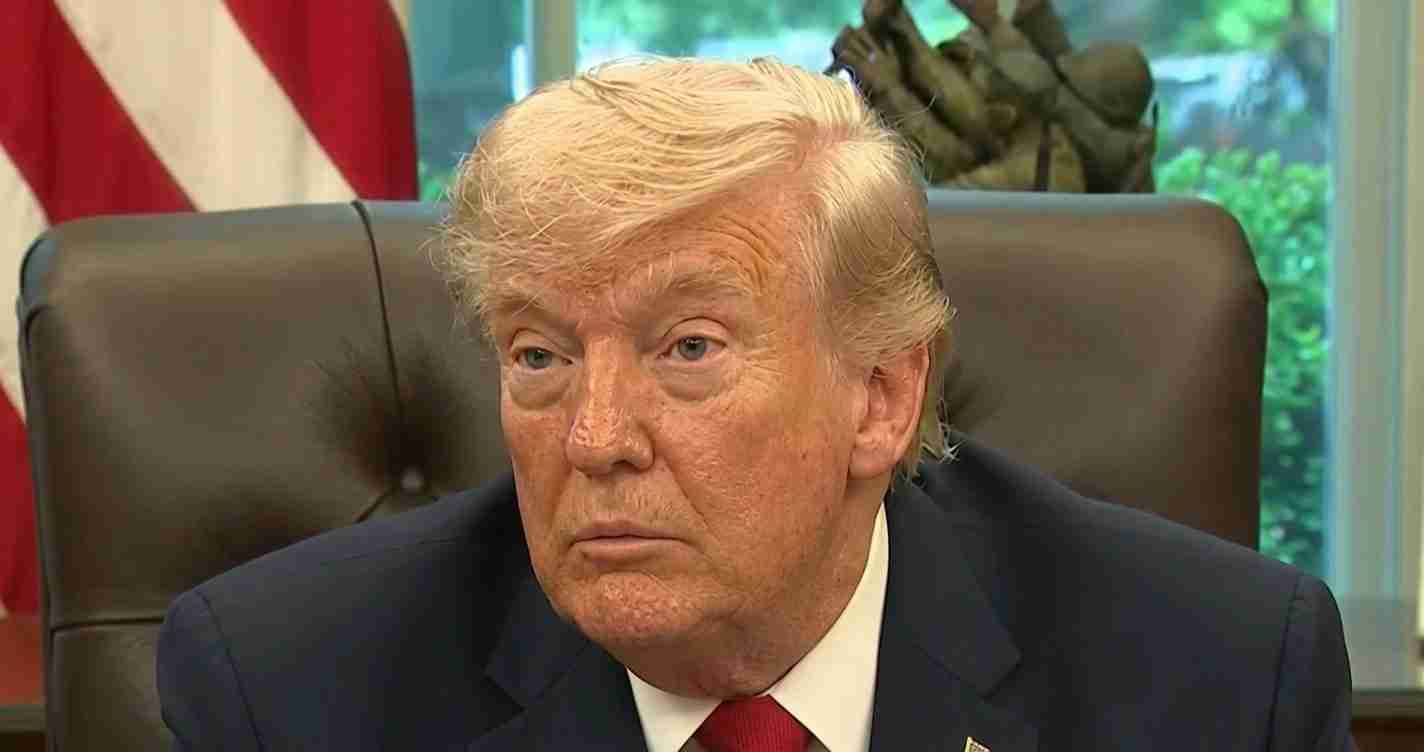
The clip quickly produced a political firestorm. The White House announced an investigation into lawmakers’ conduct and singled out Sen. Mark Kelly, a retired Navy captain, for possible misconduct. President Trump denounced the lawmakers publicly and, according to reporting, said their actions were “punishable by death.”
Supporters called the message a lawful reminder of long-standing military legal principles. Critics — including retired officers and some legal scholars — warned the video could undermine civilian control of the military and confuse the chain of command during crises.
Swalwell’s defense: rule of law and military integrity
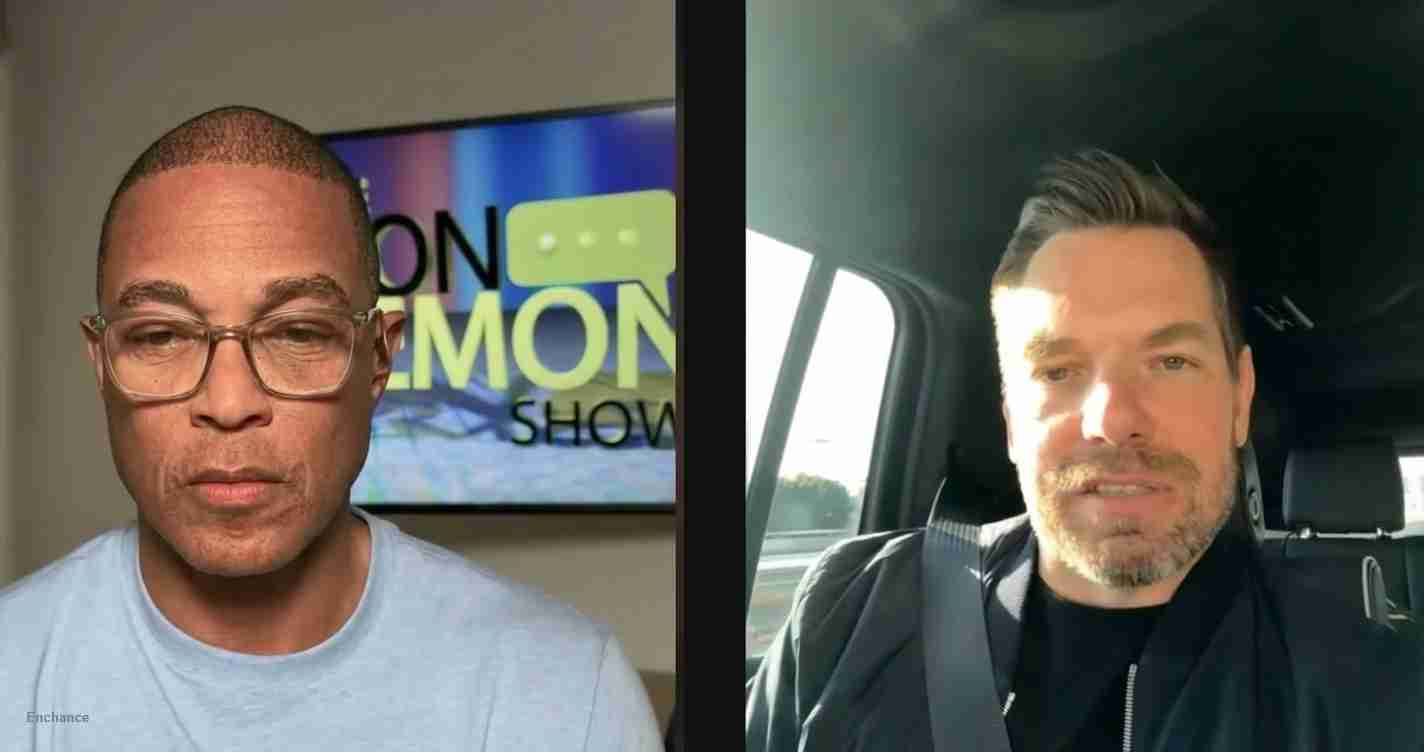
On Don Lemon’s show, Swalwell framed the exchange as a test of where power rests in American democracy. He said the administration’s aggressive reaction suggested officials might intend to carry out unlawful orders. “The only reason you’d go after Mark Kelly if he’s telling soldiers, ‘You don’t have to follow an unlawful order’ — and they don’t — is if you intend to carry out unlawful orders,” Swalwell said, according to reporting.
Swalwell expressed limited faith in other checks: he described Congress as “not a check on the president anymore” and said the Supreme Court is “hardly a check,” placing his hope instead in the military’s “honor and integrity.” He added that service members were essentially saying they would not “betray our oath to the Constitution.”
Administration response and investigation
The Trump administration responded swiftly, characterizing the lawmakers’ comments as dangerous interference with military discipline and opening a formal review into potential misconduct. Presidential statements included sharp accusations of sedition and demands for legal consequences, heightening partisan tensions and prompting concerns about politicizing law enforcement.
Sen. Ruben Gallego and other Democrats with military experience cautioned against using military mechanisms to investigate sitting lawmakers, warning such actions could create troubling precedents. At the same time, several retired military leaders criticized the video as irresponsible, arguing it risked eroding civilian control of the armed forces.
Legal and military experts weigh in
Legal scholars were split: some said the lawmakers merely reminded troops of their obligation under military law and the Uniform Code of Military Justice to refuse unlawful orders, while others said public appeals to active-duty personnel to judge orders from a sitting president could blur lines of authority and create confusion.
Retired officers warned that publicly encouraging troops to question orders could be exploited politically and could harm unit cohesion, while other analysts defended the lawmakers’ message as a necessary reminder of legal duties.
Political fallout and messaging
The episode hardened partisan messaging: Democrats framed the controversy as defending constitutional limits on presidential power; many Republicans and some military commentators framed the video as an attempt to politicize the armed forces and a potential national security risk.
The debate intensified broader questions about how to respond if a president issues potentially unlawful orders. Supporters of the lawmakers’ stance argue reminding troops about their oath is a prudent safeguard; opponents say civilian leaders should seek remedies through courts and Congress rather than public appeals to service members.
Implications for Redding, California
Although national military policy debates do not directly drive Redding’s economy, the controversy could have indirect local effects. Redding and Shasta County host veterans, reservists and active-duty families whose employment and civic life could be affected if recruitment or retention shifts.
Economic impact: Local defense contracting is limited, but shifts in federal priorities or reduced participation in service could create labor gaps in law enforcement, firefighting and veterans’ services.
Political consequences: Redding voters lean conservative; local leaders may emphasize civilian control, chain-of-command, and the risks of politicizing the military. The controversy could mobilize conservative turnout and shape candidate messaging.
Social effects: Military families and veterans’ organizations in Redding may see increased discussion and potential tension as residents debate oath, duty and politics. Community forums could help provide accurate information and calm.
Cultural relevance: Respect for the military and the rule of law are strong in Redding; messages encouraging disobedience may be viewed skeptically even as constitutional concerns resonate broadly.
Practical applications for residents
- Seek formal guidance: Veterans and Guard members should consult command and legal advisors if they suspect an order conflicts with the law — public messaging is not a substitute for counsel.
- Local leadership clarity: Elected officials can use the issue to clarify support for military personnel and describe how civilian oversight should function.
- Community dialogue: Local media and veterans’ groups can host forums to discuss oath, legal obligations and the intersection of politics and service.
Ongoing questions
Residents will watch how the administration’s review proceeds, whether legal action follows, and how military leaders respond to public pressure. The episode raises enduring questions about balancing civilian control with protections against unlawful orders — matters that affect the rule of law and communities with military ties.
Sources
- Fox News
- MSNBC
- Don Lemon/ CNN program page
- Rep. Eric Swalwell official site
- Sen. Mark Kelly official site
(Reporting based on public statements and media coverage as of November 26, 2025; Times Media Service)