Swalwell’s Ties to Suspected Chinese Agent Revisited — What Is Proven, What’s Unverified, and What It Means for California Voters
U.S. Representative Eric Swalwell’s past association with Christine Fang, a suspected Chinese intelligence operative who cultivated political contacts in California from about 2011–2015, drew scrutiny after an FBI defensive briefing; no evidence of wrongdoing by Swalwell was publicly found.
Key takeaways
- Confirmed: Christine Fang engaged in fundraising and networking targeting rising California politicians circa 2011–2015 (Axios).
- Swalwell connection: Fang bundled donations and recommended staff; Swalwell received a defensive FBI briefing and severed contact, with no public evidence of classified‑information sharing (Axios; Wikipedia).
- Unverified: Later claims or politicized assertions after 2020 lack confirmation in the 2020 public record and require current verification (Fox News).
Key information and timeline
Summary of public reporting through 2020:
- Christine Fang (also reported as Fang Fang) is described in reporting as building ties with up‑and‑coming California politicians through fundraising, introductions and influence efforts from roughly 2011–2015 (Axios).
- Reporting indicates Fang bundled donations for a 2014 campaign and recommended at least one intern who later worked in Swalwell’s office when he was a Dublin city council member and early in his congressional tenure (Axios).
- The Swalwell office reportedly received a defensive FBI briefing around 2015; Swalwell cut ties immediately and U.S. officials say there was no evidence he provided classified material or committed wrongdoing (Axios; Wikipedia).
Background: who is Christine Fang and what did she do?
Reporting from 2020 assembled a picture of Christine Fang as an individual who cultivated ties to young, rising U.S. politicians in California. Several outlets reported Fang used networking, event introductions, and fundraising to build influence on behalf of suspected Ministry of State Security operations.
Those accounts suggest Fang left the U.S. under scrutiny in 2015 and had relationships with other local officials in different regions. Important caveat: much reporting relied on law‑enforcement and investigative sources and not every allegation has public primary documentation. For a public summary see Axios and the compilation at Wikipedia.
Eric Swalwell and the Swalwell–Fang connection
Swalwell, elected to Congress in 2012, met Fang at events and had campaign contacts connected to her. Reporting says Fang bundled donations for Swalwell’s 2014 campaign and suggested an intern who later worked in his Washington office (Axios).
U.S. counterintelligence reportedly provided a defensive FBI briefing in about 2015, after which Swalwell severed ties and stated he had no further contact. Public accounts indicate intelligence agencies did not find evidence that Fang obtained classified information from Swalwell or that he committed illegal acts (Axios; Wikipedia).
The FBI briefing and its significance
“Defensive briefings” are a standard counterintelligence measure to alert U.S. officials about possible foreign influence efforts; in Swalwell’s case reporting shows the briefing prompted immediate distancing and no public charges.
The briefing is central to the public narrative and is commonly described as a non‑punitive warning step intended to prevent compromise rather than a criminal accusation.
Political fallout and public scrutiny
Media and commentators focused on the irony that Swalwell — a prominent voice on intelligence and national security — had been targeted by alleged influence operations. Conservative outlets framed the episode as evidence of poor vetting; supporters emphasized the defensive FBI briefing and absence of charges to argue there was no criminal conduct (AEI; Fox News).
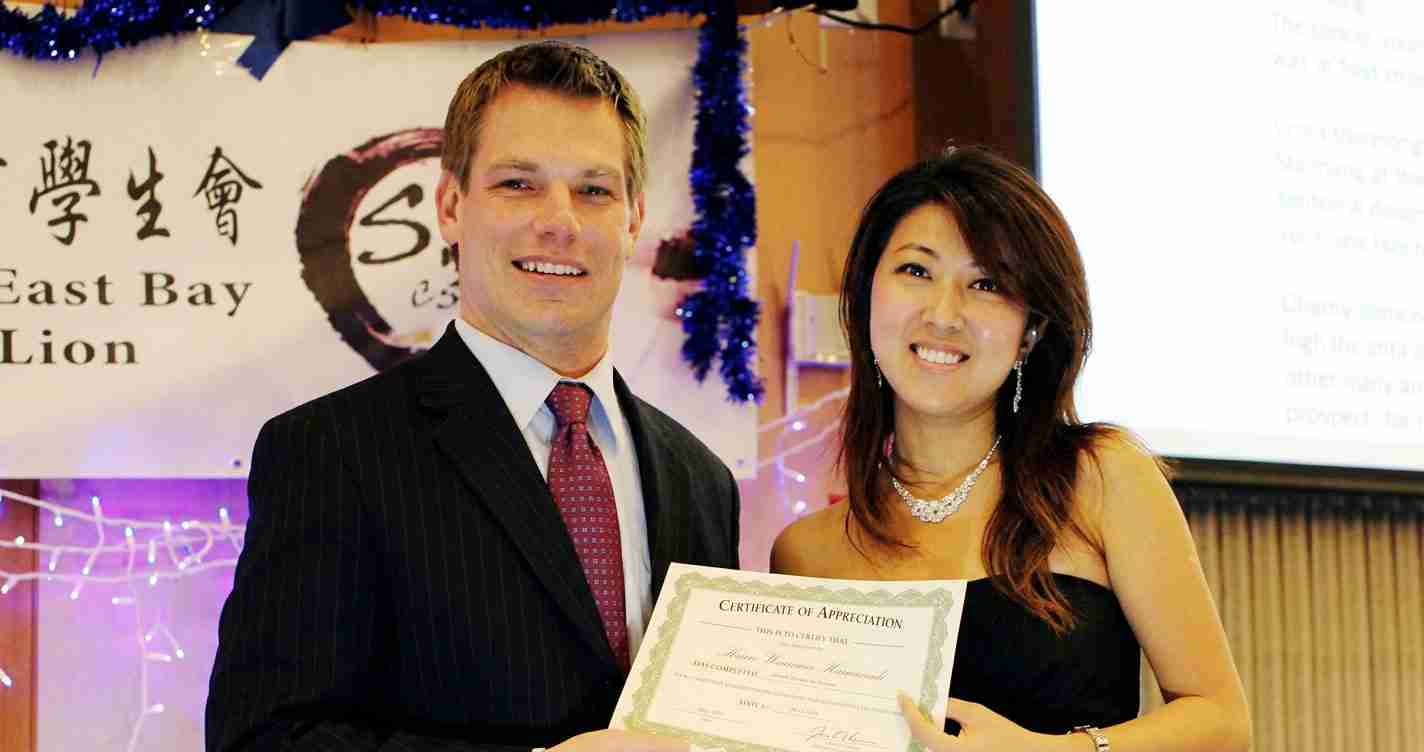
Public scrutiny intensified in 2020 with timelines and photos linking Swalwell to events where Fang appeared. Critics sought fuller transparency about counterintelligence knowledge and timing; defenders noted the immediate action taken after the briefing.
What is confirmed and what is not
Confirmed (public reporting through 2020):
- Fang ran influence activities including fundraising and networking targeting local/state politicians in California ~2011–2015 (Axios).
- Fang had involvement in fundraising and recommending staff connected to Swalwell; Swalwell received an FBI briefing and cut ties in 2015; U.S. officials reported no evidence he provided classified information (Axios; Wikipedia).
Not confirmed in the public record through 2020:
- Any formal criminal charges or findings against Swalwell related to Fang.
- Extensive public documentation of every allegation about Fang’s relationships beyond the fundraising, staffing recommendations and reported ties described above.
- Later, more specific claims that circulated after 2020 — for example, assertions about declassification, actions by named officials after 2020, or a 2026 gubernatorial campaign history — are not supported by the 2020 sources and need current reporting to verify (Fox News).
Sources and further reading
- Axios: “China’s alleged spy network in California” (Dec. 2020)
- Fox News: reporting on photos and questions about Swalwell’s ties
- AEI commentary: analysis and opinion on the Swalwell–Fang matter
- Wikipedia: summary of Chinese espionage reporting in California (with sourcing)
Limits of reporting and need for current verification
Most publicly sourced reporting summarizing the Swalwell–Fang story dates from 2020 and earlier. Since 2020, newer claims and political developments have circulated that are not documented in those sources. Journalists and voters should seek fresh records — official declassification notices, FBI statements, House Ethics filings, or court documents — before treating newer allegations as established fact.
Implications for Redding, California
Economic impact: National security stories can indirectly affect California’s business climate. If voters perceive foreign influence risk, support for stricter vetting of public‑sector contractors and screening of foreign investment may rise — increasing paperwork and scrutiny for local contractors.
Political consequences: The episode can shift local politics: conservative voters may emphasize accountability and national security, potentially influencing turnout and campaigns focused on transparency and law enforcement.
Social and cultural effects: Coverage may heighten distrust of political elites in Redding, spur civic groups and local media to demand records and hearings, and reinforce community values around personal responsibility and defense.
Practical actions for residents: Contact state lawmakers about vetting and transparency; urge local candidates and officials to adopt clear disclosure rules; support investigative reporting and lawful oversight that balances civil liberties with foreign‑influence protections.
Reporting note
This article relies on reporting available through 2020 and the primary summaries linked above. For claims that emerged afterward — including statements about document declassification, new investigations, or campaign activity — readers and local leaders should seek the most recent public records and reporting to confirm facts before drawing conclusions (Axios; Fox News; AEI; Wikipedia).