
Bessent Confronts Stephanopoulos Over 1995–96 Shutdown Remarks on “This Week”
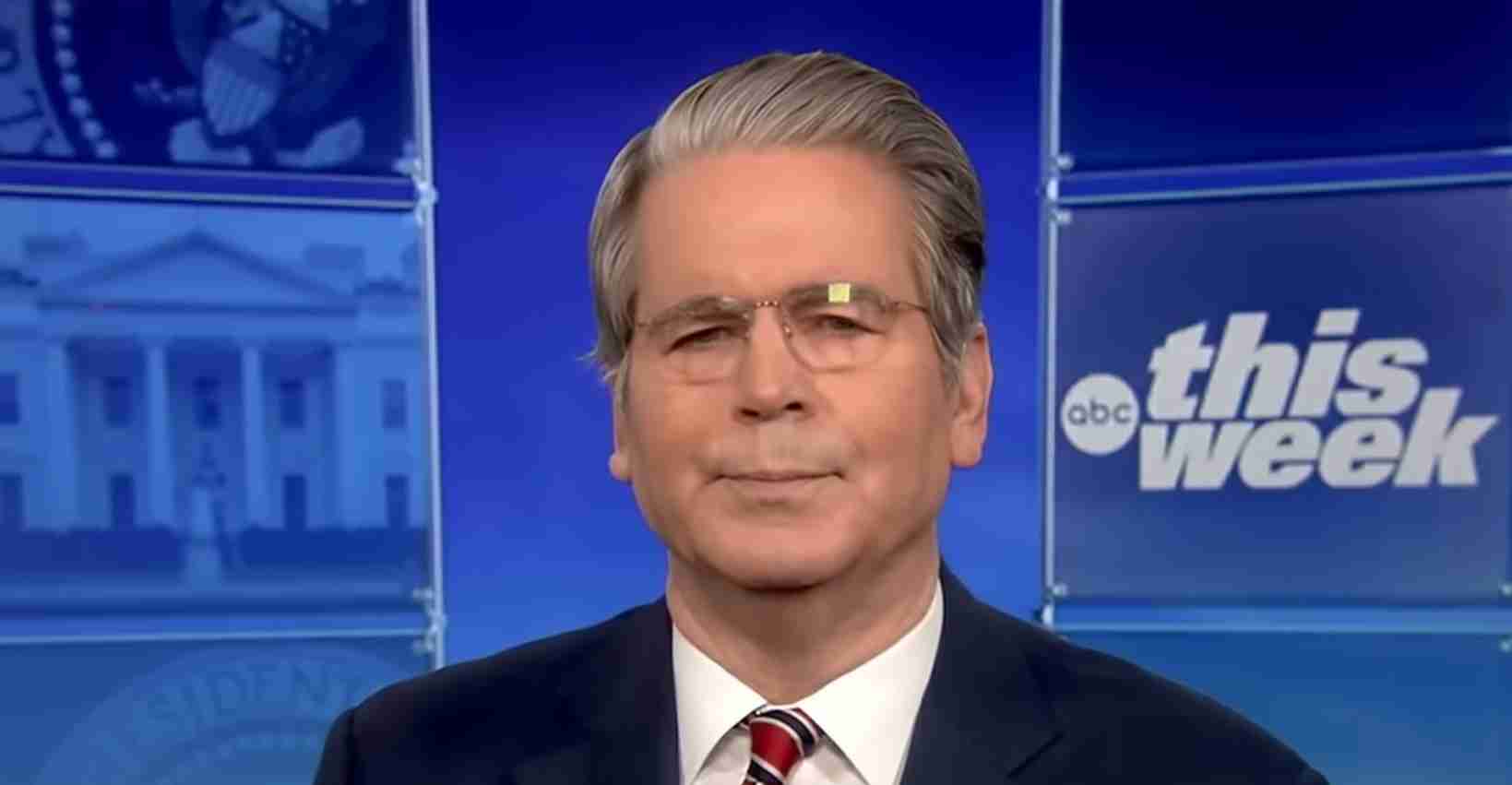
Treasury Secretary Scott Bessent sparred with ABC’s George Stephanopoulos on “This Week,” confronting him over remarks attributed to his role in the 1995–1996 government shutdown and prompting a tense, on-air exchange about historical rhetoric and policy.
- Direct confrontation: Bessent challenged Stephanopoulos about past comments saying Republicans were “basically terrorists” during the 1995–1996 shutdowns.
- On-air escalation: The interview became heated, with both men talking over each other and Bessent citing Stephanopoulos’ own quotes and memoir.
- Political context: Bessent used the history to argue for Republican leverage in the current shutdown fight and urged moderate Democrats to break ranks.
- Local relevance: The clash and a prolonged shutdown carry economic, social and political implications for communities such as Redding, California.
The on-air confrontation
During a segment about the ongoing federal shutdown negotiations, anchor George Stephanopoulos asked whether ending the filibuster would resolve the stalemate. Treasury Secretary Scott Bessent instead pivoted to history: “You were involved in a lot of these in the ’90s,” he said, and accused Stephanopoulos of having called Republicans “terrorists” and not the “responsible party” for keeping the government closed.
Stephanopoulos pushed to return to present policy, saying,
“I can disagree with you about the history there, but we don’t have a history lesson right now.”
Bessent replied, interrupting, “No, no, no. George, George, George. If you want, I’ve got all your quotes here. I got all your quotes here, George.” The exchange intensified, and the segment moved on after both men spoke over one another.
Stephanopoulos’ response and escalation
When Stephanopoulos disputed Bessent’s characterization, Bessent referenced Stephanopoulos’ memoir, All Too Human: A Political Education, quipping he had “one purchase on Amazon this week” — a rhetorical jab meant to underscore Bessent’s claim that public papers and speeches back his account.
The back-and-forth shifted the air-time focus from contemporary legislative strategy to a debate over media accountability and political rhetoric. Stephanopoulos repeatedly sought to reframe the exchange as a distraction from current negotiations while Bessent framed the past as evidence of partisan double standards.
The historical record
Bessent’s challenge rests on public statements Stephanopoulos made about how the Clinton White House managed the 1995–1996 shutdowns. In interviews after the events, Stephanopoulos reportedly described the administration’s messaging as framing Republicans as attempting to “blackmail” the country and used language that equated GOP tactics with extreme wrongdoing, including a 2000 interview quoting the phrase “basically terrorists.”
At the time, Republicans held the House under Speaker Newt Gingrich and pursued budget priorities that led to two partial government shutdowns in late 1995 and early 1996 — episodes that shaped later approaches to brinkmanship over federal funding. Bessent cited that precedent to argue Democrats could pursue similar tactics today.
Context of the current shutdown fight
Bessent framed his remarks around Senate math: with what he characterized as a 52–3 advantage and a small number of defiant Democrats, he said just five moderate Democratic senators could side with Republicans to reopen the government. He urged “five brave, moderate Democratic senators to cross the aisle” as the quickest solution.
Bessent also referenced a comment by Sen. Chris Murphy (D-Conn.) that he said revealed Democratic political calculations about the potential benefits of keeping the government closed. Stephanopoulos maintained the exchange should remain rooted in current policy choices and procedural options rather than historical examination.
Reactions and public debate
The segment drew wide attention across outlets. Conservative commentators framed Bessent’s pushback as a necessary callout of perceived media bias, pointing to Stephanopoulos’ role in the Clinton White House and later journalistic career. Critics argue the exchange highlights how past political rhetoric resurfaces when journalists move from governance to media.
Other outlets described the moment as a chaotic on-air clash that undercut a sober policy discussion. Media analysts say the confrontation reflects broader tensions about political reporters’ past roles and whether that history should influence current coverage.
Implications for Redding, California
Economic impact: A prolonged federal shutdown could affect federal employees in Shasta County — from Social Security staff to federal contractors and permit reviewers — causing furloughs or delayed pay that ripple through local businesses, farmers and service providers.
Political consequences: The on-air spat may deepen distrust of national media among conservative Redding residents, reinforcing calls for scrutiny of journalists with prior political roles and sharpening local Republican messaging about media accountability.
Social effects: Shutdown-related uncertainties can heighten anxiety for families dependent on steady pay or federal services (including veterans’ services), and the television exchange may amplify partisan interpretations in the community.
Cultural relevance: Redding’s conservative electorate values accountability and skepticism of elite institutions; Bessent’s confrontation resonates with those norms, potentially increasing local interest in media literacy and scrutiny of national narratives.
Practical applications for residents:
- Watch for service notices from federal agencies for potential payment or benefit delays.
- Contact local members of Congress to press for reopening critical agencies that affect the region.
- Support local federal employees and contractors with short-term measures (flexible billing, promotions) to help mitigate reduced spending.
Sources and documentation
- Fox News coverage of the Bessent-Stephanopoulos exchange and historical quotes
- NewsBusters report on the segment
- Daily Signal coverage of Bessent citing Stephanopoulos’ memoir and past remarks
- The Daily Beast report on the on-air altercation
Reporting sources: Fox News, NewsBusters, Daily Signal, The Daily Beast



