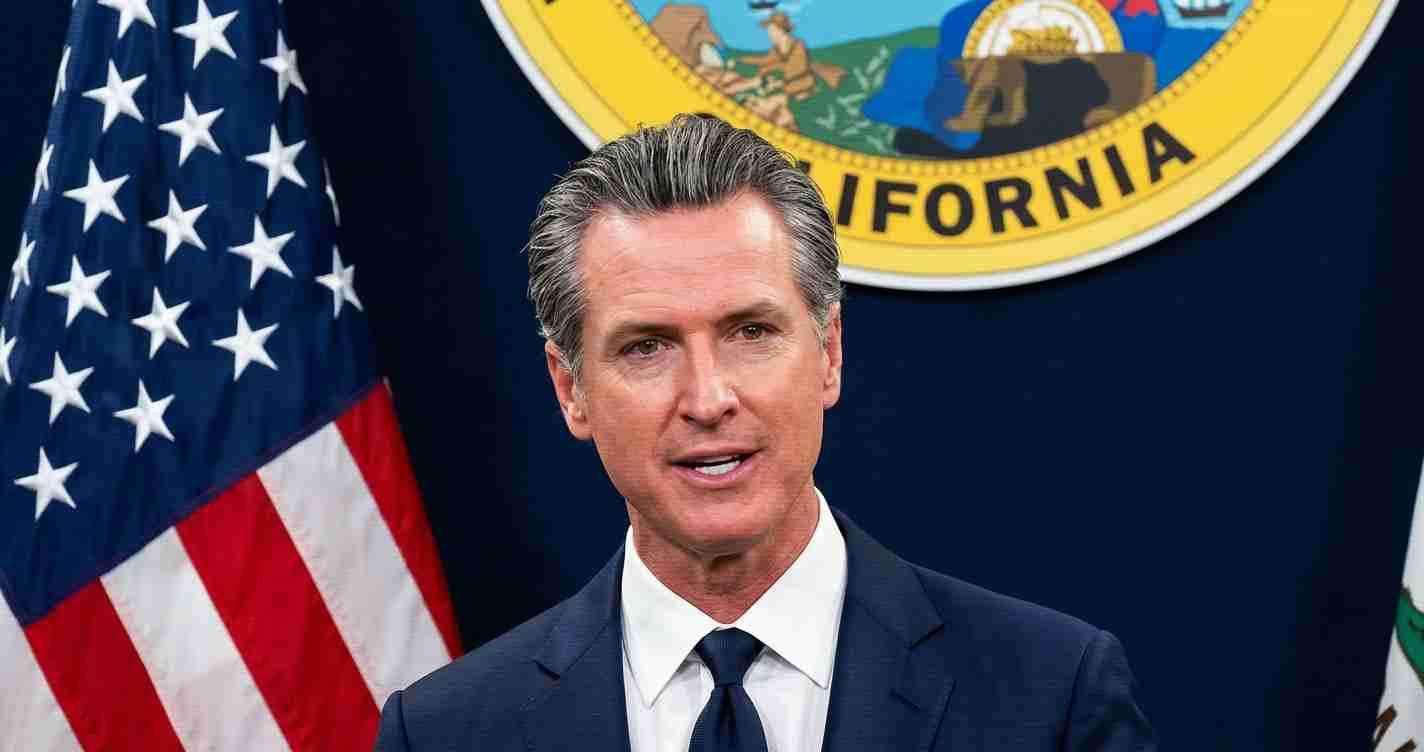
Becerra Surges After Swalwell Exit, Draws Left-Wing Fire as 2026 California Governor Race Tightens
Xavier Becerra has surged into the Democratic lead in California’s 2026 governor race after Eric Swalwell’s abrupt exit amid allegations, tightening a crowded field as mail ballots prepare to go out and progressive rivals mount attacks.
- Poll jump: Xavier Becerra’s bid moved from mid-single digits to the front of the Democratic pack.
- Top-two risk: Independent and party tracking polls show many undecided voters and a real risk Republicans could reach the June top-two runoff.
- Progressive backlash: Left-leaning rivals and activists are attacking Becerra’s long record and corporate ties to blunt his late momentum.
Becerra’s sudden rise
For more than a year Becerra ran quietly for governor with little attention. That changed after former Rep. Eric Swalwell abruptly ended his campaign and resigned from Congress amid sexual assault allegations, shifting a pool of Democratic voters and opening space near the top of the field. Polls taken since show Becerra moving into the lead among Democrats and the wider contest tightening as mail ballots are prepared for delivery. Reporting and analysis are detailed in CalMatters commentary and public polling forums.
Polling details
Independent Voter Project polling of 3,400 voters placed Becerra at 23% to lead the field overall, with Republican Steve Hilton at 20% and Chad Bianco at 17% — underscoring the danger that Republicans could reach the top-two primary. (See the Independent Voter Project polling breakdown and related trackers.)
A separate Democratic tracking poll showed Becerra rising from 4% on April 5 to 13% in less than a month, while as many as 26% of likely voters remain undecided — a fragility that could reverse with rapid messaging.
Progressive backlash and party tensions
Becerra’s advance has not gone unchallenged inside his own party. Leaders on the left backing populist or sharply progressive alternatives such as billionaire Tom Steyer and Rep. Katie Porter view Becerra as a centrist aligned with establishment business interests. Amar Shergill, a former chair of the California Democratic Party’s progressive caucus, publicly rejected Becerra as “open for business” with corporate power and is among those working to blunt his momentum (CalMatters).
Three main lines of progressive attack
- Long public service record: Opponents argue Becerra’s 24 years in Congress and service as state attorney general and HHS secretary make him an establishment figure rather than a populist reformer. (Campaign archive: Xavier Becerra 2026.)
- Campaign contributions: Critics cite donations from major companies, including Chevron, to suggest cozy ties to corporate players (CalMatters reporting).
- Policy scrutiny: Activists are replaying footage and pressing questions about his time at HHS during the arrival of unaccompanied migrant children and his positions on single-payer health care and a union-backed billionaire tax — circulating clips rapidly online (archived clip, poll forum).
What Becerra’s campaign says
Becerra’s campaign emphasizes experience and stability. His official site frames his long record in public service as the credential to handle homelessness, affordability and high-profile legal fights with federal policies — arguing that his administrative résumé equips him to govern statewide (campaign site).
Campaign statements highlight pro-worker votes and cast corporate donations as routine in large statewide races. The team stresses policy differences with Republicans on social issues and governance and deflects left-wing attacks as selective readings of a long record.
Field dynamics and the GOP factor
The fractured Democratic field is creating a potential path for Republicans to make the June 2 top-two primary. Conservative candidates such as former Fox News personality Steve Hilton and Sheriff Chad Bianco poll in the high teens and low twenties in some surveys; results vary by sample and pollster (poll forum, analysis).
Debate and media moments have mattered: a recent Nexstar debate featuring Becerra, Steyer, Porter, Hilton, Bianco and Matt Mahan highlighted contrasts on affordability and homelessness — issues voters rank as top concerns. Those performances could prove pivotal as name recognition rises and early voting begins (debate clip).
Progressives see an opening to define Becerra quickly
With mail ballots soon to arrive, progressive groups and rival Democrats are racing to define Becerra before his late gains become entrenched. Their tactics include ads, sharing archived clips, and raising questions about finances and policy stances — a compressed timeline meant to shape early voter impressions (CalMatters commentary, archival footage).
Implications for Redding, California
Economic effects: Redding voters and business leaders should watch how the governor race could shift tax and regulatory policy. A centrist governor such as Becerra might court private investment and steady engagement from Sacramento, while progressives warn that centrist policies may not prioritize aggressive state aid to rural areas (campaign plans).
Public safety and homelessness: Homelessness and public safety were central debate themes. Any governor’s statewide plans on housing, mental health services or law enforcement funding could change available resources for Redding. Becerra’s pragmatic, administrative approach suggests county partnerships rather than sweeping statewide reforms (debate coverage).
Taxes and local budgets: Progressive proposals from rivals like Tom Steyer include higher taxes on the wealthy; a tax-heavy agenda could alter grant flows to rural counties. Conservative Redding voters may favor a pro-business governor to protect local tax bases and reduce regulatory burdens (analysis).
Political consequences: The scramble to define Becerra affects turnout and party unity. Progressives could suppress or redirect Democratic enthusiasm in Northern California if they successfully paint him as too moderate; conversely, a consolidated moderate vote could keep Republicans out of the top-two.
Voter information: With mail ballots arriving soon, Redding voters will get their first chance to act on the new dynamics created by Swalwell’s exit and Becerra’s rise. Local election officials urge review of candidate records via trusted local news and official voter guides to make informed choices (CalMatters).
Reporting and sources
This article draws on recent polling, public forums and campaign material, including:
- Independent and party tracking polls (YouTube forum)
- Independent Voter Project poll and Nexstar debate coverage (YouTube)
- CalMatters commentary and analysis
- Archived debate/clip footage (YouTube)
- Debate and archive clips (YouTube)
- Additional archived footage (YouTube)
- Xavier Becerra campaign site
Readers should note that sources include public polling presentations, commentary and campaign statements; all URLs above link to original materials cited in reporting.