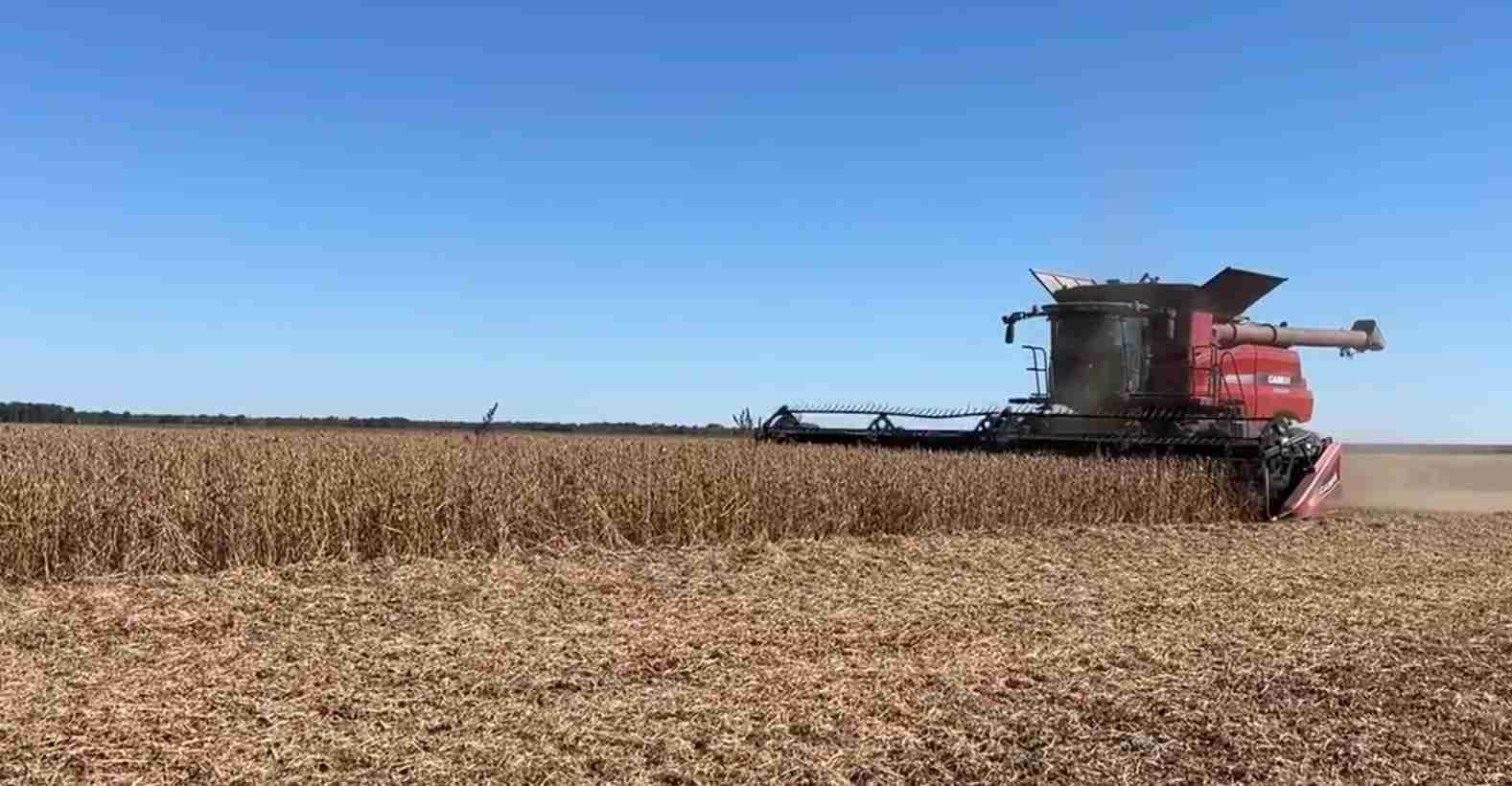
Trump calls China’s soybean cuts an “economically hostile act,” threatens to end cooking oil trade with China
Former President Donald Trump called China’s reduction in U.S. soybean purchases an “economically hostile act,” and warned the U.S. could halt imports like cooking oil — framing the dispute as a punitive move that harms American farmers nationwide.
Key takeaways
- Trump labeled China’s soybean pullback an “economically hostile act”, arguing it directly harms American farmers and rural communities (Fox Business).
- He threatened to cut imports of cooking oil and other goods from China, asserting the U.S. can produce those items domestically (Fox Business).
- China has shifted purchases to Brazil and Argentina, reducing U.S. market share since 2018 and heightening vulnerability for exporters (Fox Business).
- Farm groups call for stable market access over short-term aid as the durable remedy to protect producers and younger farmers (Fox Business).
BACKGROUND: China, soybeans and the U.S. farm economy
China has long been the world’s largest buyer of soybeans; shifts in Beijing’s buying patterns can quickly affect U.S. producers. Reporting indicates China accounted for roughly 61% of traded soybeans worldwide in recent marketing years, and prior to the 2018 trade measures about 28% of U.S. soybeans were exported to China. The trade dispute that began in 2018 tightened those flows, and although some recovery has occurred, market access remains fragile (Fox Business).
THE PRESIDENT’S RESPONSE
Trump framed China’s reduction in purchases as deliberate and punitive. He called it an “economically hostile act” and suggested the United States should treat it as part of a broader strategy by Beijing to pressure the U.S. economy. In public remarks relayed by reporters, he proposed the U.S. could retaliate by ending trade in certain products — including cooking oil — arguing many such goods can be produced domestically (Fox Business).
“An economically hostile act,” Trump said, urging action to protect American producers and to use economic leverage against Beijing.
His approach blends political signaling with economic pressure aimed at reassuring conservative voters and farm-state constituencies that U.S. producers will be defended, consistent with a broader posture of employing tariffs and restrictions to secure better terms for exporters.
TRADE WAR CONTEXT
The soybean dispute traces back to the tariff battles of 2018, when duties imposed by the administration intended to pressure China prompted retaliatory measures. Beijing reduced agricultural purchases from the U.S. and redirected orders to South American producers such as Brazil and Argentina. That redirection cut U.S. market share in China and exposed many farmers to lower prices and uncertain demand (Fox Business).
IMPACT ON AMERICAN FARMERS
The drop in Chinese purchases produced tangible losses for U.S. growers: exports to China fell sharply in the 2018–19 crop year and U.S. share plunged from pre-tension levels. Although some recovery occurred during the pandemic and in later seasons, the situation remains precarious — a once-reliable buyer can change course quickly in response to political signals.
Industry voices such as the American Soybean Association emphasize that market access and consistent demand — not solely short-term aid — are crucial to stability. Younger farmers and tenants who rent land are cited as among the most vulnerable when demand is disrupted (Fox Business).
POTENTIAL U.S. RETALIATION: COOKING OIL AND BEYOND
Trump’s proposal to end imports of cooking oil from China raises both practical and political questions. While soybean oil is a major vegetable oil, the U.S. already produces substantial cooking oil domestically. Cutting that trade line could be used as leverage to bring China back to the negotiating table, but any move to restrict trade in specific goods would require careful planning to avoid raising consumer prices or disrupting supply chains for food processors and retailers. Fox Business reports Trump’s confidence in replacing imports with domestic production if necessary (Fox Business).
CHINA’S STRATEGY AND GLOBAL MARKET SHIFTS
China’s pivot to Brazil and Argentina is more than short-term — South American suppliers expanded capacity and offered competitive pricing, enabling Beijing to diversify suppliers and increase bargaining power. For U.S. growers, especially in the Midwest, that shift means losing a major buyer and facing stiffer competition. Trump suggested purchases from Argentina might serve political aims to fragment supplier alliances, underlining a mix of economic and geopolitical motives (Fox Business).
POLICY OPTIONS AND FARM AID
Farm groups and some economists argue that re-establishing reliable market access is the strongest long-term policy. Options include negotiating trade deals, using tariffs or targeted restrictions strategically, and incentivizing domestic processing and value-added agriculture to reduce reliance on a single foreign buyer. The debate also highlights opportunities for domestic biofuel and food processing industries to absorb more soybean production.
IMPLICATIONS FOR Redding, California
Economic impact
- Local food prices: Broader trade frictions could modestly raise grocery costs for cooking oil or related inputs, affecting families and restaurants.
- Supply chains and retailers: Redding stores and food-service businesses that source through national distributors could face higher wholesale costs if disruptions or tariffs occur.
Political consequences
- Local politics and voting: Redding and Shasta County’s conservative leanings mean messages about protecting American production may resonate with many voters.
- Policy pressure on lawmakers: Constituents in logistics, trucking, and agricultural supply sectors may press representatives to back measures supporting farmers.
Social effects
- Rural businesses and workers: While soybeans aren’t dominant in Northern California, related businesses — equipment dealers, grain handlers, fuel suppliers — could see indirect impacts.
- Consumer sentiment: Emphasis on American production and self-reliance likely finds support in conservative communities, possibly boosting backing for tougher trade stances.
Cultural relevance
Messages that stress domestic production and job preservation tap into local values of self-reliance and may strengthen community support for policies prioritizing American manufacturers and processors.
Practical applications for residents
- Watch food costs: Households and restaurants should monitor grocery prices and supplier notices for shifts in cooking oil and staples.
- Support local producers: Buying from regional processors or farmers’ markets can strengthen local supply chains.
- Engage with lawmakers: Contact federal representatives to express support for policies that protect farmers and promote stable trade terms.
Sources and further reading
Fox Business: Trump calls China soybean cuts ‘economically hostile act’ against American farmers nationwide
Reporting note
This story draws on reporting and analysis from Times Media Service and Fox Business covering President Trump’s remarks and the wider U.S.–China soybean trade dispute.