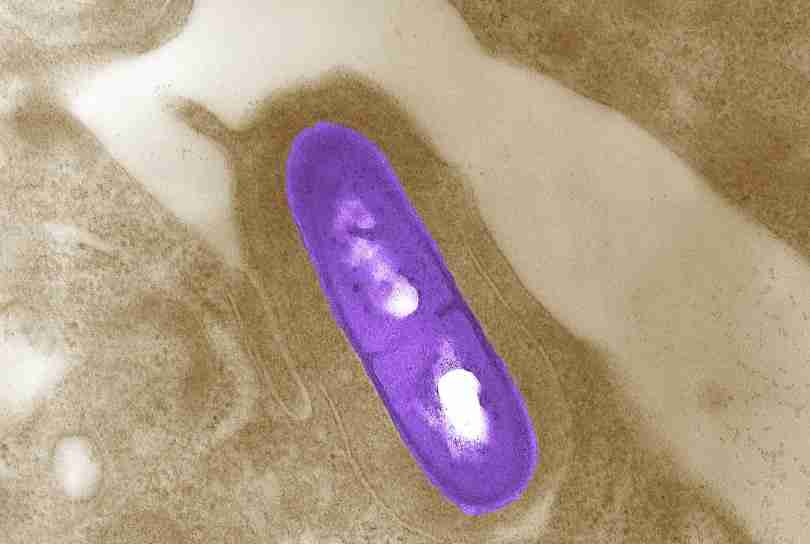
Boilover in the Deli Case: Listeria Bowtie Pasta Recall Hits Albertsons Deli Items, Consumers Told to Toss or Return Products
Albertsons-owned delis nationwide recalled ready-to-eat bowtie pasta salads after Nate’s Fine Foods of Roseville, Calif., tested positive for Listeria monocytogenes. Customers are urged to dispose of or return affected items immediately to avoid health risks.
- Products recalled: Ready-to-eat deli items containing bowtie pasta produced by K-LOVE sources report the pasta traced to Nate’s Fine Foods in Roseville, Calif.
- Where sold: Items sold in Albertsons Market, Safeway and Vons delis and refrigerated cases across more than a dozen states (K-LOVE).
- Action for consumers: Do not eat affected items — dispose of them or return to the store for a refund (K-LOVE).
What was recalled and why it matters
Albertsons Companies announced a recall of several ready-to-eat deli products after testing detected Listeria monocytogenes in the bowtie pasta ingredient. The contaminated pasta was traced to Nate’s Fine Foods of Roseville, California. Affected items include a range of prepared salads and pasta dishes — notably basil pesto pasta salads and pasta dishes with chicken and spinach — that used the suspect bowtie pasta (K-LOVE).
Why it matters: Listeria can grow in refrigerated foods and cause severe illness in vulnerable people. Reported symptoms include fever, muscle aches, headache, stiff neck, confusion and, in extreme cases, convulsions. That risk profile explains rapid recalls when contaminated ingredients are identified (K-LOVE).
Retail distribution and supply chain details
The recalled deli items were sold across Albertsons’ family of banners — including Albertsons Market, Safeway and Vons — and were available in store delis and refrigerated cases in more than a dozen states, widening the recall’s reach (K-LOVE).
Supply chain tracing shows Fresh Creative Foods used bowtie pasta sourced from Nate’s Fine Foods in finished deli products. When Nate’s tested positive, the finished products that included that pasta became suspect — illustrating how an ingredient-level contamination can cascade through multiple brands and retailers (K-LOVE).
What authorities and retailers are doing
Albertsons has posted recall details and advised customers not to consume affected products, urging disposal or return for refunds (K-LOVE).
Federal agencies — including the U.S. Food and Drug Administration and U.S. Department of Agriculture — typically issue guidance and alerts when widely used ingredients test positive for Listeria, and investigators trace production and distribution to identify contamination points (K-LOVE; Marler Blog).
“Consumers can and should expect clear labeling and fast action from retailers; a single contaminated ingredient can prompt recalls across multiple brands and retailers.”
Health risks and guidance for consumers
Risk profile: Healthy adults may have mild flu-like symptoms, while newborns, pregnant women, older adults and immunocompromised people face a higher risk of severe illness. Anyone who ate a recalled product and develops symptoms should contact a healthcare provider promptly (K-LOVE).
Because Listeria can survive in cold environments, federal guidance recommends thoroughly cleaning any food-contact surfaces, utensils and containers that may have touched the recalled product to reduce cross-contamination risk (K-LOVE).
Current status: No illnesses tied to these Albertsons deli items have been reported so far, but absence of cases does not eliminate risk, especially for vulnerable groups (K-LOVE).
Broader recalls and industry implications
The same bowtie pasta from Nate’s Fine Foods has been linked to other pre-made pasta products sold at retailers including Walmart and Trader Joe’s; federal warnings have flagged some of those products even where formal recalls have not yet been issued (K-LOVE; Marler Blog).
Food-safety lawyers note that supplier-level contamination raises liability questions for both the supplier and buyers who used the ingredient in finished goods — a key consideration for consumers seeking refunds or pursuing claims in rare cases of illness (Marler Blog).
What customers should do now
- Check your fridge: Review recent purchases of deli pasta salads and prepared items from Albertsons Market, Safeway or Vons and compare to the retailer’s recall list (K-LOVE).
- Don’t eat affected items: Dispose of them or return to the store for a refund (K-LOVE).
- Clean and disinfect: Wash containers, cutting boards, refrigerator shelves and any surfaces that may have touched the recalled product to prevent cross-contamination (K-LOVE).
- Watch for symptoms: Seek medical attention if you develop fever, muscle aches, headache, stiff neck, confusion or other serious symptoms after possible exposure (K-LOVE).
Implications for Redding, California
Economic impact
Redding shoppers who rely on local Albertsons and Safeway ready-made deli items may face small but meaningful losses when families dispose of or return purchased meals. Short-term declines in deli sales are possible as customers shift to shelf-stable or home-cooked options.
Political consequences
Food safety is a local and state policy issue. This incident could prompt calls for tighter supplier oversight and clearer product-tracing rules. Local officials and county health agencies may face pressure to communicate quickly and transparently.
Social effects & cultural relevance
Redding has a sizable population of older adults and families with young children — groups more vulnerable to Listeria. Community groups, churches, senior centers and caregivers should ensure at-risk people know not to eat recalled deli items and review meal sources.
Practical daily steps
- Keep receipts to identify and return recalled products quickly.
- Ask deli staff where prepared foods are sourced and whether items are made in-house.
- Prefer whole ingredients (e.g., uncooked pasta) and prepare at home when possible.
- Watch local updates and the retailer’s recall list for the latest information (K-LOVE).
Reporting and sources
This report draws on retailer alerts and coverage of the supplier trace to Nate’s Fine Foods. Initial reporting and updates are available from K-LOVE and food-safety analysis from Marler Blog. Related video background is available on YouTube.
Consumers with questions about specific product codes or sell-through dates should consult the retailer’s official recall notice and contact the store where the product was purchased for guidance (K-LOVE).