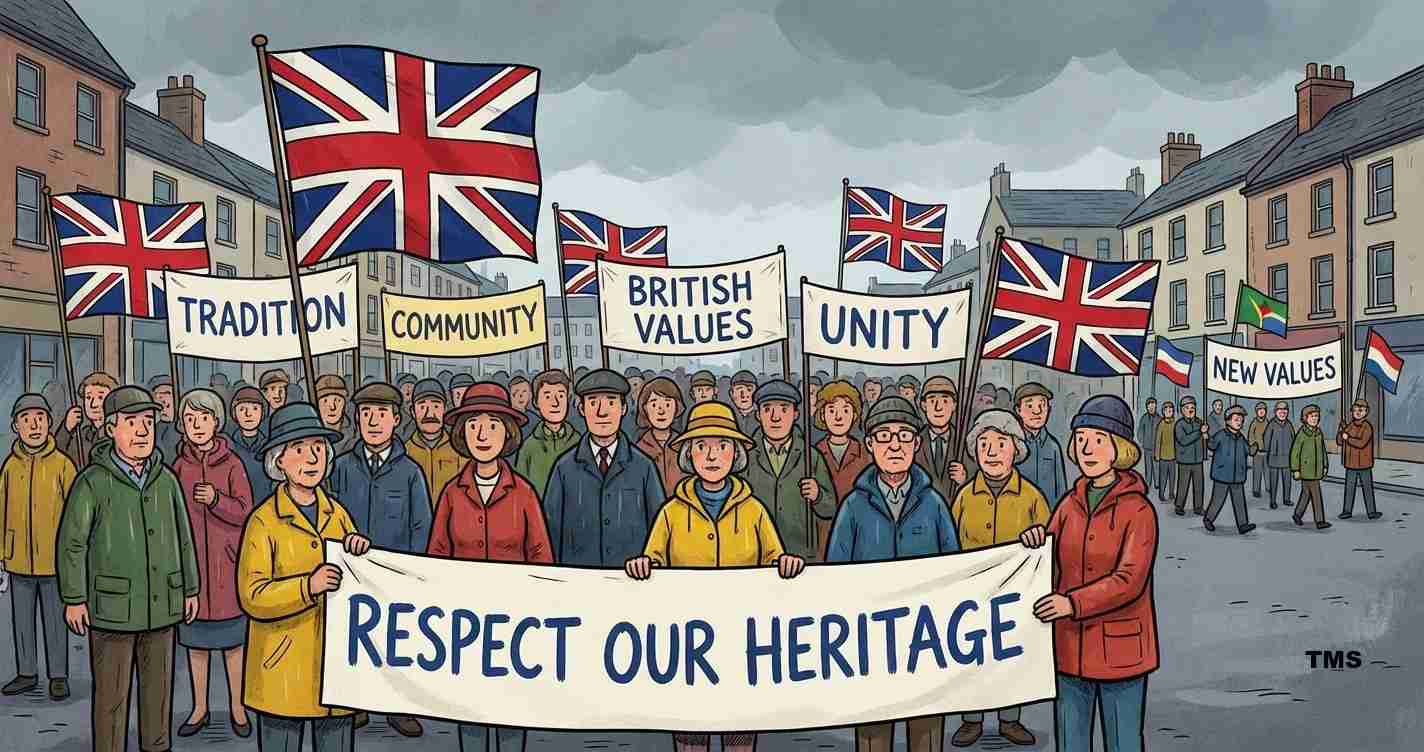
Union Jacks and New Banners: How UK Anti-Immigration Protests and an “Anti‑Woke” Push Are Reshaping Local Streets
Since April 2025, coordinated anti‑immigration and anti‑woke demonstrations across Britain — featuring Union Jacks and new banners — sparked violence, dozens of injuries to police, hundreds of arrests and political debate over asylum plans and cultural change.
- Widespread unrest: Protests since April 2025 combined patriotic imagery with organised campaigns and produced widespread disorder, injuries to officers and arrests.
- Organisers and tactics: Groups linked to Britain First, Patriotic Alternative, the Homeland Party and former UKIP activists were prominent; online campaigns such as Operation Raise the Colours amplified activity.
- Local impact: Demonstrations pressured asylum housing plans in multiple towns and provoked large counter-protests and political fallout.
- Local parallels: The movement’s themes have implications for U.S. towns like Redding, California, around civic debate, public messaging and public-order planning.
How the protests unfolded
Beginning as local opposition to proposed asylum accommodation, demonstrations spread from small town meetings to larger marches. Many events used national flags — the Union Jack and England flags — and homemade banners to signal resistance to perceived cultural change. Notable incidents included a July 30 Waterlooville rally of more than 1,000 people that won praise from MP Suella Braverman and contributed to plans being dropped, while other protests in towns such as Epping and Stanwell prompted hotel operators or councils to pause housing plans after clashes or damage were reported.
Scale and consequences
Police recorded episodes of violent disorder that injured at least 41 police officers and led to more than 180 arrests. Events ranged from local assemblies to UKIP-led marches that drew hundreds, and smaller restricted events — such as a roughly 75-person Whitechapel march — that met larger counter-demonstrations, requiring significant policing resources.
Symbols, campaigns and coordination
Operation Raise the Colours was promoted on social platforms to encourage visible flag displays and communal rallies as a show of unity. Organisers framed the Union Jack as heritage; critics argue the same displays facilitated far‑right recruitment and inflamed tensions. Police reviews highlighted the role of online messaging and misinformation in mobilising supporters for confrontational street actions.
Who is involved — and what they say
Groups with ties to the far right — including Britain First, Patriotic Alternative and the Homeland Party — plus former UKIP activists and small-party figures, played prominent roles. Supporters argue they are defending cultural identity and public safety; opponents, including anti‑racism organisers, see the marches as vehicles for xenophobia and division. A clear public split emerged as some mainstream figures echoed anti‑woke and immigration‑critical language that fuels mobilisation.
The link to the anti‑woke movement
Analysts situate the street actions within a broader anti‑woke reaction against diversity initiatives, migration policies and rapid cultural change since the 2020s. Academic work argues that anti‑woke rhetoric has become a mobilising frame that fuses cultural grievances with migration concerns, even while surveys show many citizens hold more progressive views on identity and equality than the loudest activists imply.
Public order, police and online misinformation
Police forces balanced the right to protest with public safety, banning or restricting marches where risks were high. Reviews emphasize prolonged online misinformation as a driver of disorder; the injury toll and number of arrests demonstrate how quickly local protests can escalate into major public‑order incidents and divert policing resources.
Community responses and political fallout
Local reactions varied: some residents organised to defend asylum plans and counter far‑right messaging, while council leaders and mayors condemned the demonstrations as divisive. Large counter-protests, often led by anti‑racism groups, mobilised thousands in some cities. Politically, the protests pushed some national figures toward tougher anti‑woke or immigration rhetoric and prompted warnings from others that such language risks amplifying extremism.
Implications for Redding, California
The British protests offer practical lessons for towns like Redding on economic exposure, political messaging, social cohesion and civic preparedness. Officials and community leaders can anticipate sharper debates over housing, symbols and public safety and should plan proactive communication and de-escalation strategies.
Economic impact
- Local businesses: High-profile unrest abroad can affect perceptions; visitor-dependent businesses may fear reputational effects even if direct links are limited.
- Housing and services: Debates about asylum housing in the U.K. mirror local discussions about shelter and homelessness; clear communication about capacity, costs and timelines is essential to prevent misinformation.
Political consequences
- Campaign language: Anti‑woke and immigration themes can mobilise voters; local leaders should weigh political opportunity against the risk of inflaming intolerance.
- Civic engagement: Expect increased attendance at council and school board meetings on curriculum, flags and public messaging.
Social effects
- Community tension: Visible displays and rallies can heighten divisions; leaders should prepare de‑escalation training for public events.
- Volunteer and faith groups: Charities and churches may face higher demand and pressure to take public stances; fostering measured, compassionate responses is critical.
Cultural relevance
Symbols such as the Union Jack in Britain — and comparable emblems in Redding — can become focal points for debates about heritage and inclusion. Facilitating thoughtful local dialogue can help preserve tradition without excluding neighbours.
Practical applications for residents
- Preparedness: Officials should provide clear contact points to correct misinformation quickly; residents are advised to rely on verified city statements rather than social feeds.
- Public meetings and policing: Review crowd-management and communication plans; invest in de‑escalation training and transparent rules for permitted rallies.
- Community forums: Host moderated forums that bring conservative voices, civic leaders, law enforcement and service providers together to translate concerns into constructive action.
“Visible displays of national symbols were used both as an assertion of local values and, according to critics, as tools for far‑right recruitment and misinformation.”
Source links for further reading and verification
- 2025 British anti-immigration protests — Wikipedia
- “Anti-woke” politics and movements — Frontiers in Political Science
- British Social Attitudes survey summary — NatCen
- Discussion of anti‑woke fatigue — National Centre for Diversity
Note: This article preserves original facts, figures and source URLs for verification and further reading.