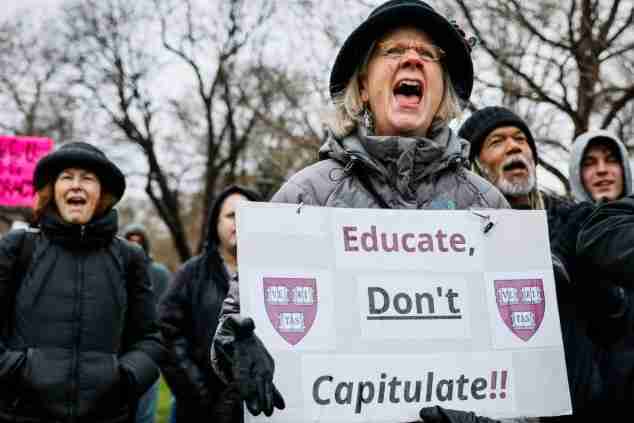
UC sues Trump administration over research grant cancellations, alleges civil rights law abuse
The University of California system and campus groups sued the Trump administration, alleging politically motivated cancellation of research grants and coercive use of federal civil rights enforcement — actions plaintiffs say threaten academic freedom, research funding and local economies.
Key takeaways
- Who sued: UC students, faculty, staff and campus unions filed the lawsuit to challenge federal actions they call coercive (ABC7; Los Angeles Times; YouTube).
- Main claims: Plaintiffs allege unlawful cancellations of grants and the coercive, punitive use of civil rights enforcement to force policy changes (PoliticoPro; CalMatters).
- High-profile incidents: The lawsuit cites NIH grant cancellations and a $1.2 billion fine and funding freeze at UCLA as central examples (CalMatters; Houston Chronicle).
Background: what the lawsuit says
The complaint filed by UC students, professors, staff and labor unions alleges a pattern of federal actions that go beyond routine oversight. Plaintiffs say those actions include canceling or freezing research grants and invoking federal civil rights statutes as leverage to punish the university for campus policies. The filings assert these moves are coercive and aimed at changing UC practices and priorities, harming research programs and threatening academic independence (PoliticoPro; ABC7).
Specific incidents cited in the lawsuit
- NIH grant cancellations: The suit points to millions in canceled National Institutes of Health funding, including projects tied to diversity, equity and inclusion goals, which plaintiffs say were targeted for political reasons (CalMatters).
- UCLA fine and funding freeze: A widely reported $1.2 billion fine against UCLA and the accompanying research funding freeze is a central example cited by plaintiffs (Houston Chronicle).
- Systemwide investigations: UC leaders, including President Michael V. Drake, warned federal scrutiny extended beyond one campus, prompting unions and faculty to seek legal defense for campus research (Los Angeles Times).
What plaintiffs say: coercion and academic harm
Plaintiffs argue federal agencies crossed from legitimate oversight into coercion. They assert officials used civil rights enforcement as leverage to force UC policy changes and to punish priorities — especially programs focused on diversity and inclusion. Plaintiffs say these actions jeopardize hundreds of millions of dollars in research and leave projects unfinished (PoliticoPro; CalMatters).
“These federal actions are not routine enforcement but coercive steps meant to change UC practices and priorities,” the complaint reads.
Research grant cancellations and their fallout
The complaint details immediate, practical effects: halted experiments, delayed trials, and job losses for graduate students and research staff. The loss of NIH and other federal dollars threatens long-term projects in health and technology, potentially slowing new treatments and weakening the pipeline of trained researchers in California (CalMatters).
Legal framing: civil rights law abuse
A central charge is that civil rights statutes were used in a punitive, politically motivated way. Plaintiffs contend agencies applied enforcement selectively to punish the UC system — an abuse of civil rights law that turns protections into tools of pressure rather than safeguards (PoliticoPro).
University and union responses
UC leaders, including President Michael V. Drake, publicly condemned fund freezes and fines, saying federal moves interfered with university work. Campus unions backed faculty and staff and helped organize the legal challenge, arguing the university must defend researchers and workers (Los Angeles Times; ABC7; YouTube).
Broader stakes: federal power vs. university autonomy
Legal experts say the suit could set a major precedent. A ruling for plaintiffs may limit how federal agencies use civil rights enforcement and curb political pressure on public universities. A ruling for the government could make it easier for future administrations to pressure campuses — framing the case as a test of federal reach and institutional independence (PoliticoPro; Los Angeles Times).
Funding and jobs at risk
Beyond principle, the economic cost is acute: canceled grants threaten jobs for researchers, technicians, graduate students and administrators. Private partners and local suppliers could lose contracts, and plaintiffs warn of ripple effects throughout California’s research economy that could harm the state’s competitiveness in science and medicine (CalMatters).
Implications for Redding, California
Economic impact: Redding benefits from UC-led research through partnerships, suppliers and workforce training; cuts could mean fewer local contracts and less demand for technical services (CalMatters).
Jobs and careers: Students from Redding aiming for careers in health and biotech may find fewer internships and openings, possibly pushing talent away from the region (PoliticoPro; Los Angeles Times).
Public health and local research: Some canceled health projects included clinical trials and community health work; affected Redding residents could lose access to treatments or programs that rely on university partnerships (CalMatters).
Political consequences: The case raises questions about federal reach and the role of Washington in local institutions; plaintiffs frame it as defending local control and academic independence (PoliticoPro).
Practical daily effects: Reduced research activity may slow medical advances, cut education opportunities, and reduce public events or training programs; Redding students could face fewer research positions and local nonprofits may lose collaborators (CalMatters; Houston Chronicle).
Sources and further reading
- PoliticoPro: unions sue Trump administration alleging coercive use of civil rights laws against University of California (subscriber)
- ABC7: University of California students, professors, staff sue Trump administration
- Houston Chronicle: University of California students, professors and staff sue over federal actions
- Los Angeles Times: UC leaders warn of campus investigations and federal pressure
- CalMatters: Coverage of NIH grant cancellations and impact on California health research
- YouTube: video covering plaintiff groups and campus responses
What’s next: The lawsuit now moves into the courts; its progress could determine limits on federal agency power over public universities and shape future interactions on research funding and civil rights enforcement.