
Delaney Hall Protests in Newark: What’s Verifiable About Clashes, the Ras Baraka Arrest and Detainee Conditions
Delaney Hall, a roughly 1,000‑bed ICE facility in Newark run by GEO Group, drew protests in May 2025 involving confrontations with federal officers, the arrest of Mayor Ras Baraka, and competing claims about detainee food and medical care.
- Verified: Protests and law‑enforcement confrontations occurred at Delaney Hall in May 2025; arrests and federal statements about an “unknown chemical substance” are on record.
- Not fully corroborated: Highly cinematic scene descriptions (mattress barricades, total Newark police absence, repeated bus pepper‑sprayings) go beyond mainstream reporting and lack independent confirmation.
- Detainee care disputed: Lawmakers and advocates reported food and medical problems; DHS and ICE publicly denied systemic neglect and no comprehensive independent inspection report has resolved the dispute.
- Sources: Coverage and primary documents are linked below for verification and follow‑up reporting.
Background: what Delaney Hall is and why it matters
Delaney Hall is a privately run, GEO Group–operated facility used by U.S. Immigration and Customs Enforcement (ICE) to house migrants in civil detention. Its location on an industrial stretch near freight tracks and Doremus Avenue makes street access and vehicle movement a flashpoint during protests and federal operations. The center has become a national focal point in debates over immigration enforcement, private prison contractors, and municipal oversight.
The May 2025 confrontation and the Ras Baraka arrest
On May 9, 2025, Newark Mayor Ras Baraka and members of Congress were involved in efforts to observe or challenge operations at Delaney Hall. Baraka was arrested on a federal trespassing charge; court records and reporting show the charges were later dropped, and a federal magistrate judge described elements of the arrest as potentially “hasty”.
The magistrate judge raised concerns about the prosecution’s handling of the matter and the circumstances of the arrest.
Note: Claims that Baraka ran in or lost a 2025 Democratic gubernatorial primary against Gov. Mikie Sherrill are not supported by contemporaneous reporting or official election records and appear erroneous.
Protests, law enforcement and chemical agents: verified facts and disputes
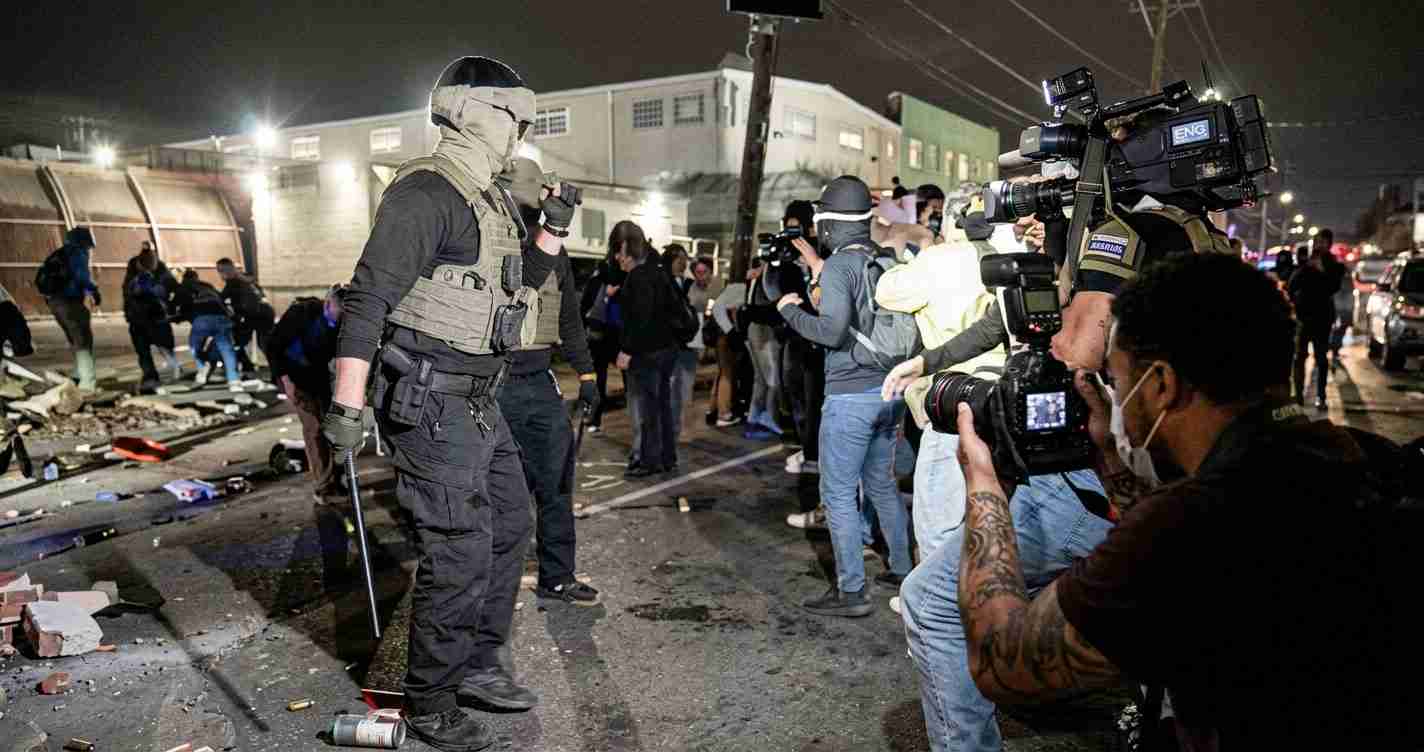
Reporting confirms repeated demonstrations aimed at the facility and confrontations between demonstrators and federal law‑enforcement personnel. Key verifiable points:
- Road and vehicle disruption: Demonstrators sought to block or disrupt vehicle access on Doremus Avenue during protests.
- Federal statements: DHS and ICE reported some officers were exposed to an “unknown chemical substance” and that several protesters were arrested for assaulting, resisting, or impeding federal officers.
- Federal posture: Video and reporting show federal officers in riot gear and with faces covered guarding the facility and vehicle movements.
What is not corroborated in mainstream sources
A widely circulated, detailed scene narrative — including protesters acting as traffic police in reflective vests, a complete absence of Newark police, mattress‑and‑sandbag barricades, and ICE repeatedly using pepper spray on trapped buses — is not substantiated by reputable outlets. Mainstream reporting supports the broad outline of protests and arrests but does not confirm every dramatic element being shared online.
Delaney Hall detainee conditions: competing accounts
Accounts of detainee conditions at Delaney Hall are sharply divided:
- Advocates and lawmakers: Visitors and advocates — including Rep. Jerry Nadler and groups represented by the ACLU of New Jersey — reported small portions, alleged food contamination (including claims of maggots), delayed medical tests and limited access to treatment, and accounts of hunger‑strike actions.
- Federal agencies: DHS and ICE have publicly denied systemic neglect, stating detainees receive adequate food and medical care and characterizing some visits and allegations as politically motivated.
- Documentation gap: There is no publicly available, independent, comprehensive inspection report that resolves the competing narratives; the record contains congressional accounts, activist testimony, agency denials, and ongoing litigation.
Legal and municipal action
Newark city officials have used zoning tools and litigation to challenge GEO Group’s operations and press for oversight. The dispute highlights a common municipal tension: limited control over federal immigration enforcement versus the city’s ability to regulate private contractors operating locally.
Assessing vivid scene narratives: why verification matters
Dramatic social posts can shape public perception and policy pressure. Responsible coverage must separate confirmed facts from plausible but unproven details. In this episode, mainstream reporting verifies protests, arrests, and political confrontation — but not every vivid scene that has circulated online.
Implications for Redding, California
Economic: Legal and reputational pressure on contractors like GEO Group can ripple across states, affecting contracts and local economies where private detention or correctional facilities operate.
Political & social: The Delaney Hall dispute underscores limits of local control over federal enforcement and may prompt local officials in Redding and Shasta County to clarify protest‑management and mutual‑aid protocols. It may also increase demands on nonprofits and faith groups to respond or educate.
Practical applications for residents and officials
- Review and update local protest‑management plans for industrial and freight corridors.
- Confirm mutual‑aid and jurisdictional roles so agencies know who will act during crowd control and traffic management.
- Monitor contracts with private detention or correction vendors and scrutinize oversight and compliance measures.
- Encourage local outlets to verify dramatic claims before amplifying them to protect public safety and First Amendment rights.
Sources and documentation
- WHYY coverage of Newark/Delaney Hall protests and congressional visits
- Wikipedia summary of the Newark immigration detention center incident
- Newark city news release on Delaney Hall actions and litigation
- Video reporting and archived footage of the events
- Jersey Vindicator reporting on immigration enforcement and human‑toll coverage
Final note
All reporting in this article is based on the sources cited above. Journalists and officials evaluating claims about Delaney Hall should rely on primary documentation, court records and direct eyewitness reporting rather than unverified social posts.



