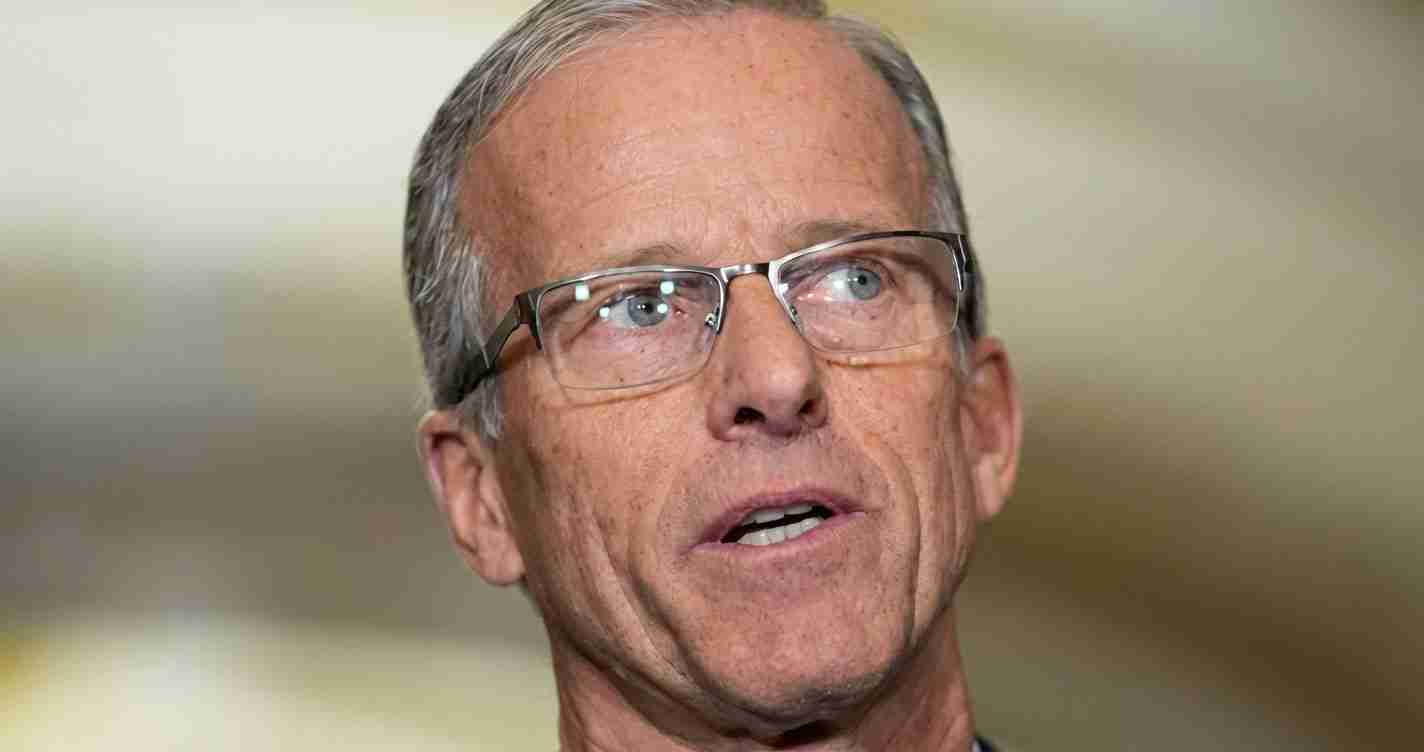
Thune Forces Vote Push on SAVE America Act to Put Democrats on Record on Voter ID, Citizenship Proof
Senate Majority Leader John Thune is forcing a Senate vote on the SAVE America Act, a Republican-backed bill that would require documentary proof of U.S. citizenship to register and photo identification to cast ballots in federal elections.
- Legislative push: Sen. John Thune is using a procedural maneuver to force Democrats to take a public stance before the 2026 midterms.
- Policy changes: The bill would require documentary proof of citizenship to register and a photo ID to vote in federal elections (bill summary; House text).
- Contested effects: Critics warn it could block millions, strain local election offices, and raise legal and data-accuracy concerns (VoteBeat; Brennan Center; Campaign Legal Center).
- Practical hurdle: With 50 Senate Republicans backing the measure, Thune can force a vote, but final passage likely requires 60 votes to overcome a filibuster.
What the SAVE America Act would do
The bill (H.R. 7296 / S. 1383 in the 119th Congress) would replace the current federal attestation process — where applicants swear under penalty of perjury that they are U.S. citizens — with a requirement for documentary proof of citizenship to register for federal elections.
Acceptable documents, as listed in the legislation, would include a U.S. passport, a REAL ID-compliant card showing citizenship, or a birth certificate. (See Text and summary and House text.)
The bill would also impose a photo ID requirement for casting ballots in federal elections. Earlier drafts have a narrow list of acceptable IDs that may exclude many student IDs and some tribal IDs without expiration dates. The measure further directs states to cross-check rolls with the Department of Homeland Security’s SAVE database for verification programs and noncitizen flags (VoteBeat reporting; bill text).
Thune’s tactics: forcing clarity for voters
Sen. John Thune, R-S.D., says the move is a transparency test ahead of primaries and the 2026 midterms. He and GOP colleagues intend to push a procedural floor action so Senate Democrats must go on the record about requiring proof of citizenship and photo ID at the federal level. Thune told reporters lawmakers will be “on the record” and that Democrats must explain why they oppose measures aimed at ensuring only American citizens vote (Majority Leader statement).
“Lawmakers will be on the record,” — Sen. John Thune (R-S.D.), framing the procedural push as a test for Democrats before the midterms.
Strategically, the move leverages support from 50 Senate Republicans that gives Thune the ability to sustain a cloture motion within his conference. But Senate rules require 60 votes to end a filibuster under current procedure, so final passage without procedural changes or bipartisan backing is unlikely.
Public opinion and GOP messaging
Republican leaders cite polling showing broad support for photo ID across party lines; leadership materials reference roughly 83% national favorability for photo ID, including majorities of Democrats and sizeable support among Hispanic and Black voters (leadership poll referenced).
For conservatives, the SAVE America Act is presented as a common-sense reform to secure elections and restore trust. Thune and allies connect the bill to broader GOP themes of border security and the rule of law, framing citizenship verification as central to ballot integrity.
Critics raise practical and civil-rights concerns
Voting-rights groups, civil liberties advocates, and some election officials warn the bill could prevent millions from registering. Analysts estimate that more than 21 million people lack ready access to required documents such as passports or certified birth certificates, with gaps concentrated among young people, voters of color, and women who have changed names (VoteBeat; Brennan Center).
Legal advocates say the narrow ID list risks excluding many tribal IDs and student IDs, creating fairness concerns. They note noncitizen voting is rare and that less disruptive verification methods exist. Groups including the Brennan Center and the Campaign Legal Center call the bill overly burdensome and a potential federal overreach into state-run elections.
Implementation problems could disrupt voting
Election administrators say immediate implementation would be difficult. Because the SAVE America Act would take effect upon enactment, states would have little time to update registration systems, train staff, or run outreach to help voters obtain documents. Local election offices — often small and underfunded — warn the change could overwhelm resources and create confusion ahead of the 2026 midterms (VoteBeat coverage).
The bill’s use of DHS’s SAVE database for verification raises data-sharing and accuracy questions: federal database mismatches can wrongly flag eligible voters, increasing the risk of erroneous removals and disenfranchisement (bill text; Brennan Center analysis).
Where the Senate stands now
As of mid-February 2026, no Senate floor vote or final passage has been confirmed. The House passed its version in early February, and Senate Republicans have signaled readiness to force action. With Democrats opposing the measure and cloture rules intact, ordinary-procedure passage is unlikely; Thune’s chief aim appears tactical: to put Senators across the aisle on record before primaries and the fall elections (VoteBeat; Majority Leader materials).
Implications for Redding, California
Economic impact
Redding and Shasta County election offices would need new systems to verify documents and process challenges, likely requiring additional funding for staff, technology, and voter outreach. Small offices may face hiring pressures during peak election periods unless federal grants offset costs (Local implementation concerns).
Political consequences
California law currently sets voter registration and ID standards that differ from the SAVE Act’s requirements. Federal changes could prompt legal conflicts; California officials have historically resisted added federal barriers and may challenge the law in court, sharpening local debates ahead of the 2026 midterms.
Social effects
Certain Redding communities could feel disproportionate effects: college students, Native American residents using tribal IDs without expiration dates, and low-income residents without passports or birth certificates could face hurdles. Local civic groups aiding registration would need to expand outreach and document-assistance efforts to prevent unintended disenfranchisement (Disenfranchisement analysis; Campaign Legal Center).
Cultural relevance
In Redding, where conservative voters often prioritize election security, Thune’s arguments may resonate and energize local Republicans. At the same time, civic groups focused on turnout will likely use the law as a rallying point to protect access, potentially mobilizing both sides.
Practical applications
County election officials in Shasta County should review current practices and estimate changes needed if a federal mandate arrives: identify document gaps, plan educational campaigns, coordinate with Sacramento, and advise voters lacking documentation to contact their local registrar early.
Sources and further reading
- SAVE Act bill text and summary
- Senate Republican leadership statement and Thune remarks
- VoteBeat reporting on House passage and analysis
- Bipartisan Policy Center explainer
- Brennan Center analysis of voting impacts
- Campaign Legal Center brief on threats to voting access
Reporting compiled from Times Media Service research and public documents.