
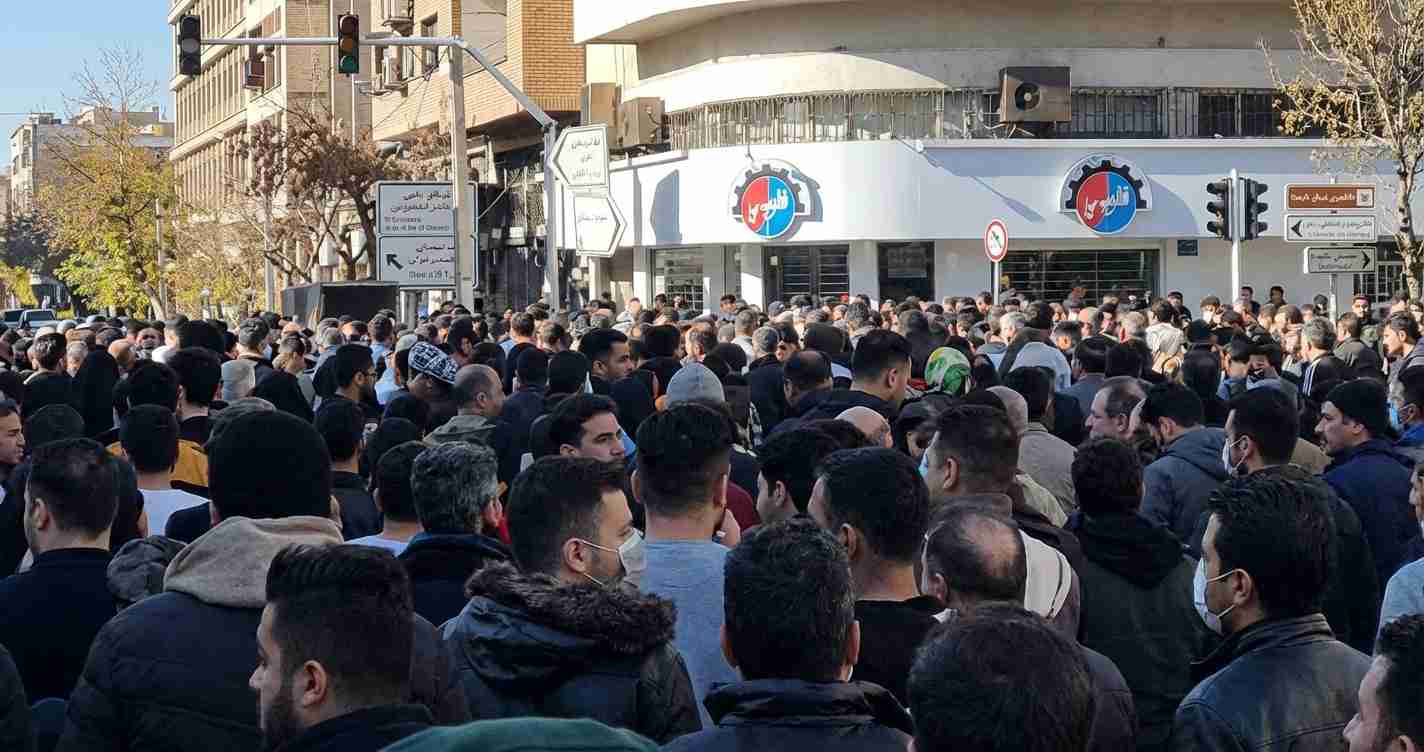
Tehran erupts in economic protests as currency collapses, tear gas fills streets
Mass protests erupted across Tehran on December 29, 2025, driven by a record low currency, soaring inflation and energy shortfalls; clashes with riot police, tear gas and widespread closures were reported amid ongoing unrest.
- Mass demonstrations spread across Tehran on December 29 in response to a collapsing currency and rising prices — reported by Radio Free Europe/Radio Liberty.
- Security forces used tear gas during clashes as authorities sought to disperse crowds in major commercial hubs.
- Nationwide strikes shuttered marketplaces including the Grand Bazaar, amplifying economic disruption and supply-chain strains.
- Reporting is still developing; several social-media claims and specific neighborhood-level assertions were not corroborated in available reporting.
Overview
On December 29, 2025, large crowds gathered across Tehran to protest a severe economic decline. Citizens cited a record low currency, surging inflation and intermittent energy shortages as drivers of public anger. The demonstrations prompted business closures, strikes and confrontations with security units.
Tensions rise as Tehran currency plummets
The immediate trigger for the unrest was economic: Iran’s currency reached a record low on foreign-exchange markets in late December, intensifying already-high inflation and deepening hardship caused by energy shortfalls. Small business owners reported dwindling customers, strained supply chains and rising import costs — conditions that pushed many into open protest.
Reporting compiled by Radio Free Europe/Radio Liberty notes the link between the currency drop and higher domestic prices, describing a cycle of reduced purchasing power and growing public frustration.
Riot police respond; tear gas deployed
Security forces moved to contain the demonstrations. Local reports described the deployment of tear gas in multiple parts of Tehran as officers sought to prevent access to key thoroughfares and marketplaces.
“Video and eyewitness accounts show chaotic scenes as security units tried to keep demonstrators from key commercial areas,” local reporting said.
The primary account from Radio Free Europe/Radio Liberty identifies activity by “security forces” and “riot police” but emphasizes that precise details on arrests, injuries and exact locations remain incomplete.
Strikes shutter bazaars and business centers
Nationwide strikes and coordinated work stoppages compounded the unrest. The historic Grand Bazaar was reported closed amid the strikes, and other major commercial hubs faced shutdowns, depriving merchants and workers of daily income and interrupting supply chains.
According to Radio Free Europe/Radio Liberty, the strikes were widespread enough to affect business operations across Tehran and risk longer-term economic damage if closures continue.
What’s confirmed — and what remains unverified
The core facts corroborated by reporting are:
- Mass demonstrations across Tehran;
- A record low currency and severe inflation;
- Nationwide strikes that closed key marketplaces;
- Use of tear gas by security forces.
Several social-media claims — including detailed accounts of security forces retreating in specific neighborhoods, or direct statements attributed to foreign political figures — were not corroborated in the available Radio Free Europe/Radio Liberty reporting and therefore remain unverified.
International attention and the information environment
The unrest drew swift international attention, but coverage arrived in a crowded information field where verified reporting competes with rapid social-media updates. Independent outlets such as Radio Free Europe/Radio Liberty provided the clearest available accounts while noting limits on verification inside Iran.
Investigative note on sourcing
This article draws primarily on reporting by Radio Free Europe/Radio Liberty. Because Iran restricts press access and filters some domestic reporting, international outlets often rely on a mix of local journalistic sources, eyewitness video and social media. That approach produces fast coverage but leaves verification gaps; where RFE/RL did not corroborate specific online claims, this article does not treat those claims as established fact.
Implications for Redding, California
Though this unrest is centered in Tehran, local effects in Redding could materialize through economic and social channels. Below are practical implications and recommended actions for residents and policymakers.
Economic Impact
- Local fuel and commodity prices: A sharp deterioration in Iran can affect global energy markets; any escalation disrupting oil supply or raising geopolitical risk could push gasoline and heating costs higher in Redding.
- Local businesses and charities: Charitable groups assisting refugees or international relief may face increased demand; businesses tied to global supply chains could see delayed shipments or higher import costs.
Political consequences
- Foreign policy debates: The protests may intensify local discussion about U.S. policy toward Iran, human-rights stances and regional security.
- National security and vetting: Local authorities and community organizations may reexamine refugee screening and integration processes if migration increases.
Social effects
- Family and community ties: Residents with family in Iran could experience heightened anxiety and seek accurate information from verified sources.
- Volunteer mobilization: Civic groups may organize donation drives, briefings or advocacy efforts in response to developments.
Cultural relevance
For many readers, the protests may symbolize grassroots demands for accountability and better economic management. Coverage emphasizing ordinary Iranians’ concerns about livelihoods and governance is likely to resonate with values around self-reliance and economic responsibility.
Practical applications for residents
- Monitor fuel costs: Redding drivers should watch local gas prices and consider consolidating trips or using fuel rewards.
- Support verified relief efforts: When donating, seek reputable organizations with transparent track records for international assistance.
- Stay informed through trusted sources: Rely on verified reporting and avoid amplifying unconfirmed social-media claims. One reliable account of these events is available from Radio Free Europe/Radio Liberty.
Reporting note: This story will be updated as additional verified information becomes available. The confirmed record for now points to mass economic protests in Tehran prompted by a steep currency decline, rising inflation and energy problems, with security forces using tear gas and strikes closing key commercial centers.



