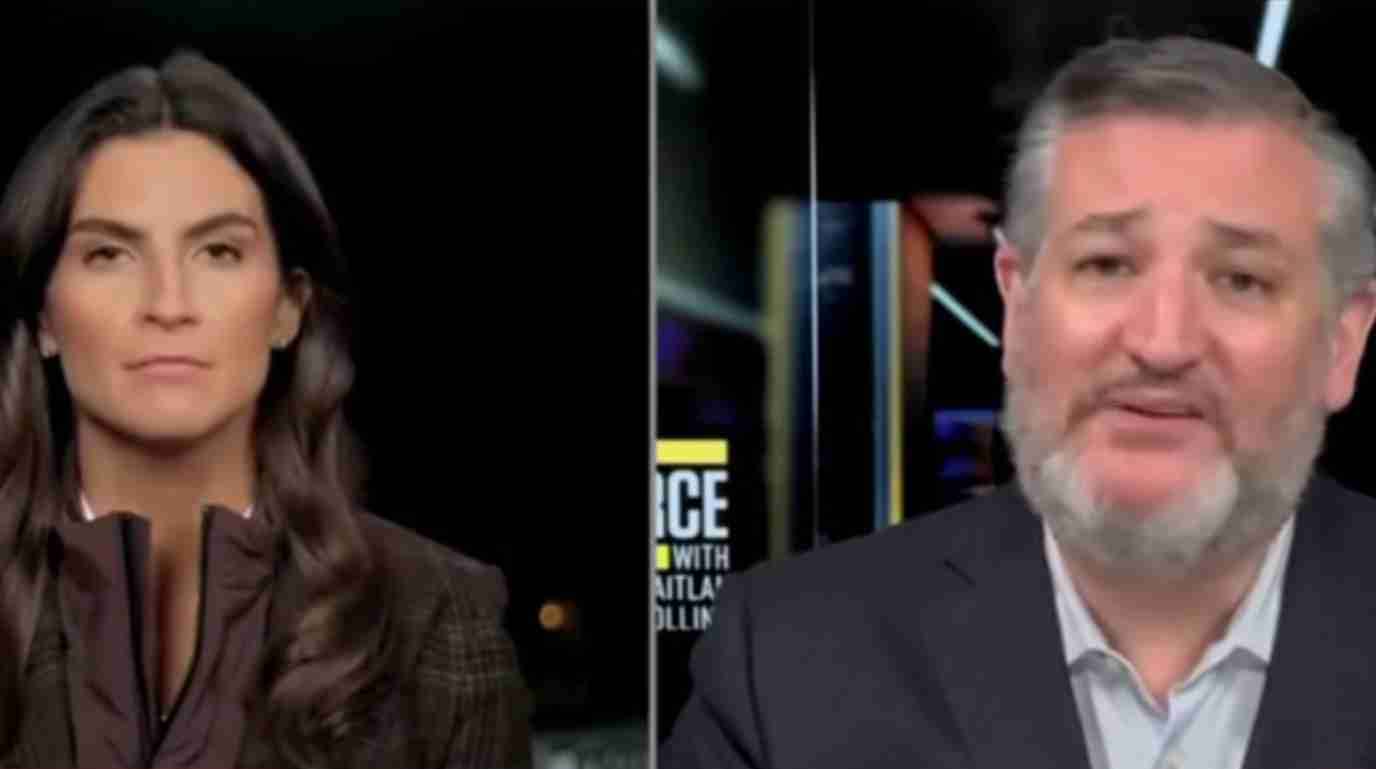
Cruz clashes with CNN’s Kaitlan Collins over Charlie Kirk shooting, accuses network of spreading misinformation
Senator Ted Cruz sharply accused CNN host Kaitlan Collins of spreading misinformation about the motive in the Charlie Kirk shooting, asserting law enforcement had identified a left‑wing activist motive — a claim at odds with CNN’s cautious on‑air reporting.
Key takeaways
- Sen. Ted Cruz publicly challenged CNN host Kaitlan Collins over whether law enforcement had identified a motive, citing reporting captured by WMAL and a Fox News video.
- Cruz said authorities described the suspect as “a left‑wing activist who hated Charlie Kirk” and accused CNN of engaging in misinformation.
- Security analysts warned of increased disinformation after the killing, including campaigns traced to domestic actors and Russian‑aligned networks, reported by ABC News and various analysis clips.
On-air clash: what happened
During a live interview, Collins said federal and local officials had not publicly confirmed a motive in the Charlie Kirk shooting. Cruz pushed back forcefully, asserting investigators had identified motive and linking the suspect to left‑wing activism and hostility toward Kirk.
“Actually, they have [laid out the motive]. They said he was a left‑wing activist who hated Charlie Kirk,” Cruz said, adding, “CNN should not be engaged in misinformation.”
Cruz also referenced an earlier incident in which an MSNBC analyst made an unverified claim about the shooter’s intent and was later dismissed, using that episode to illustrate what he called a pattern of premature or politically motivated reporting.
CNN’s stance and reporting challenges
CNN has emphasized caution while investigators work. On air, hosts and reporters repeatedly noted that confirming motive requires clear evidence and formal statements from law enforcement. Collins’ on‑air caution reflects that editorial approach, stating she understood no official motive had yet been publicly confirmed.
The exchange spotlights the tension newsrooms face in fast‑moving, high‑profile cases: journalists are criticized both for rushing to judgment and for appearing to withhold facts. Critics say caution can be framed as misinformation, while newsrooms counter that verification must come before definitive public statements.
Law enforcement and the motive question
Cruz asserted that authorities identified the suspect as a left‑wing activist who harbored animus toward Charlie Kirk. Public statements from police and federal officials have been central to coverage, but outlets vary in how they characterize investigatory comments: some cite investigators noting the suspect’s online activity and associations, while others urge care because motive can be complex and requires corroboration through evidence and charging documents.
The wider misinformation environment after the Charlie Kirk shooting
Security analysts and watchdogs reported a marked uptick in disinformation tied to the killing. Organizations such as the Center for Internet Security and the Institute for Strategic Dialogue, and reporting highlighted by ABC News, flagged fake stories, manipulated images and fabricated social posts linked to domestic actors and Russian‑aligned groups.
Analysts said these campaigns aim to “sow discord, undermine public confidence in government, and inspire additional acts of violence” by spreading polarizing false claims rapidly across social platforms.
Social media amplification and fake posts
In the days after the killing, platforms saw waves of fake posts — fabricated celebrations, counterfeit reactions from public figures, and videos altered or taken out of context. Experts warned that false posts gain traction when they align with preexisting beliefs, complicating real‑time verification and moderation. See analysis clips on YouTube and related videos.
Lawmakers and commentators, including Cruz, urged tech platforms to remove graphic videos and false claims faster and to adopt stronger age‑based safeguards after graphic content circulated widely.
Calls for accountability from lawmakers
Cruz’s public rebuke of CNN is part of a broader push by some lawmakers to hold media and platforms accountable when reporting appears incorrect or when false narratives spread. His remarks reflect frustration among conservatives who say mainstream outlets sometimes understate politically motivated attacks or favor narratives seen as sympathetic to the left.
Media organizations respond that the pressure to publish quickly must be balanced with the obligation to verify facts — a tension at the core of coverage following the Charlie Kirk shooting.
Sources and verification
This article draws on the live exchange documented by multiple outlets and broadcast clips (WMAL, Fox News video), and reporting by security analysts tracking the rise of disinformation (ABC News, YouTube analysis, YouTube clip).
Implications for Redding, California
Economic impact
- Local businesses may face fallout from heightened tensions and misinformation: boycotts, protests or threats could reduce foot traffic and deter tourism or events.
- Local government and law enforcement costs could rise if extra resources are needed to monitor online threats, respond to misinformation‑driven incidents, or investigate copycat threats.
Political consequences
The dispute over media accuracy could sharpen partisan debates in Shasta County and the Redding area. Conservative residents skeptical of national outlets may rally behind calls for greater media accountability and content moderation, and local officials might pursue ordinances or state measures addressing online safety and graphic content.
Social effects
Misinformation can heighten fear and mistrust among neighbors, schools and community organizations. False claims about motives or groups can strain relationships and increase the risk of harassment or intimidation. Schools and parents may need to address the spread of graphic or manipulated content among students.
Cultural relevance
Redding’s conservative‑leaning communities are sensitive to national media narratives. The Cruz‑CNN clash may reinforce local skepticism toward big media for some and stimulate local initiatives on media literacy and trusted news sources. Community leaders and faith groups may host forums and fact‑checking efforts.
Practical applications for local residents
- Verify claims: Check official law enforcement releases and multiple reputable outlets before sharing. Rely on the Shasta County Sheriff’s Office and other official channels for verified updates.
- Protect children: Parents should monitor online activity and use platform settings to limit exposure to graphic or manipulated content.
- Local media responsibilities: Redding‑area outlets should prioritize verification and clear sourcing to build local trust and reduce confusion.
Sources
Primary and referenced sources: WMAL; Fox News video; ABC News; analysis clips on YouTube and YouTube.