
Supreme Court extends Trump administration’s $5 billion foreign aid freeze in emergency order
WASHINGTON — The Supreme Court on Friday extended an emergency order allowing the Trump administration to keep nearly $5 billion in congressionally approved foreign aid frozen, pausing a district judge’s release order while courts weigh presidential authority to withhold funds.
Key takeaways
- The Supreme Court granted an emergency appeal that keeps roughly $5 billion frozen while the legal fight proceeds — sources: The Daily Record and Los Angeles Times.
- District Judge Amir Ali had ordered the funds released, but the Supreme Court’s stay pauses that ruling for now — reporting by The Daily Record and Los Angeles Times.
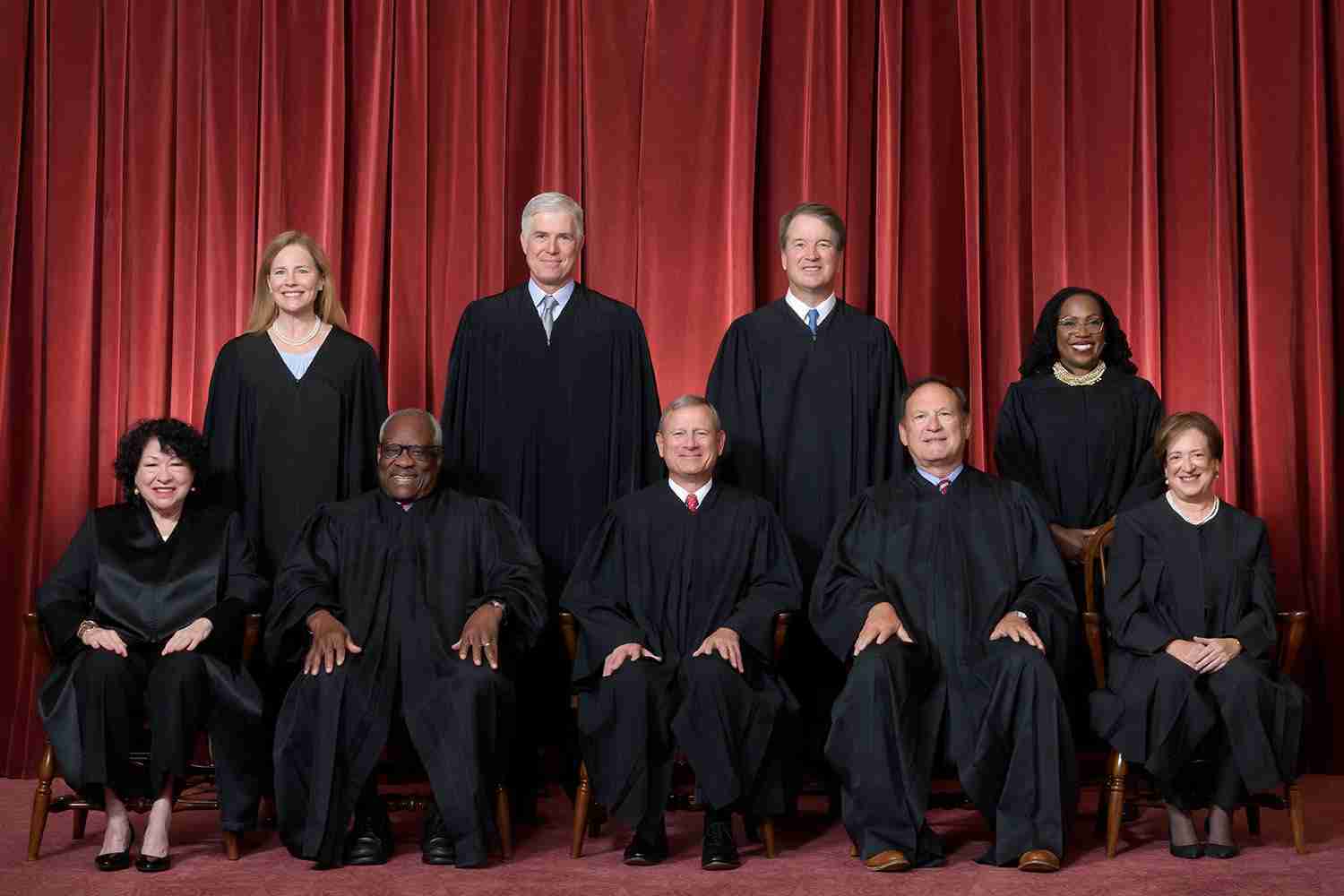
- The Court’s conservative majority granted the stay; the three liberal justices dissented, extending a temporary administrative stay initially put in place by Chief Justice John Roberts — The Daily Record.
- Humanitarian groups warn of immediate harm to aid programs, while the administration argues reviews tied to national security or trade justify the pause — see GV Wire.
Case background: what the fight is about
What started this dispute: In recent months, President Trump announced he would not spend nearly $5 billion in foreign aid that Congress had approved. The administration said it relied on a rarely used form of executive authority to pause those payments. Critics countered that the move violated Congress’s power of the purse because the funds were already appropriated.
A U.S. district court judge in Washington, Judge Amir Ali, reviewed the challenge and issued an injunction finding it likely the freeze was unlawful and ordering the funds released. The administration appealed; a federal appeals court declined to pause Judge Ali’s order, and the matter moved quickly to the Supreme Court for emergency relief. (Sources: The Daily Record, Los Angeles Times.)
Supreme Court action and the legal process
On Sept. 9, Chief Justice John Roberts issued a temporary administrative stay halting enforcement of the district court’s order while the high court considered the matter. On Friday the full Court, in a split decision, indefinitely extended that temporary stay, meaning the nearly $5 billion will remain frozen while the dispute continues through the courts.
Important procedural point: The order was granted through an emergency appeal, not a full merits hearing; it preserves the status quo pending further review and does not resolve the central constitutional question about a president’s power to withhold appropriated funds. Emergency appeals have become a frequent tool for quickly pausing lower-court rulings.
Reporting and analysis: The Daily Record and Los Angeles Times provided timelines of the lower-court rulings and the rapid path to the Supreme Court.
Trump executive authority vs. congressional appropriations
At the heart of the dispute is a clash over institutional power. The administration argues it has a form of executive discretion to withhold funds under certain legal doctrines. Opponents say that once Congress has voted and appropriated funds, the executive branch must spend them unless Congress changes the law.
Legal scholars note this case could shape how far a president may go in pausing or redirecting congressionally approved funds. A ruling for the administration would broaden executive control over federal spending; a ruling for the challengers would reinforce congressional authority over appropriations. (Sources: The Daily Record, Los Angeles Times.)
Impacts on global aid programs and critics’ claims
Humanitarian groups and nonprofits warn the freeze has harmed programs that deliver food, health care and development aid overseas. Critics say shipments have been delayed, medical care interrupted and fragile food stocks spoiled in countries that rely on steady U.S. support.
Voices from the field: Organizations such as the Global Health Council and other aid groups have urged courts to compel distribution, arguing the human toll is severe and the legal rationale risks undermining constitutional checks on spending. See reporting at GV Wire.
The administration and its allies counter that a careful review of foreign aid is appropriate when national security or trade interests may be implicated. The Supreme Court’s emergency order gives the administration additional time to complete such reviews and mount a legal defense. (See: The Daily Record.)
Pattern of emergency appeals
This case fits a pattern: the administration has increasingly used emergency appeals to the Supreme Court to stay lower-court orders on issues ranging from immigration and hiring practices to defense policies and now foreign aid. These rapid appeals can halt lower-court rulings quickly, though they do not carry the weight of full, reasoned decisions.
Legal experts observe that frequent emergency relief signals an openness by the high court to consider broader questions about executive power, even if the relief is temporary. (Coverage: The Daily Record, GV Wire.)
What the dissent said
The court’s three liberal justices dissented, arguing the district court’s findings about the likely unlawfulness of the freeze deserved weight and should not be blocked while the administration appeals. The dissent emphasized the immediate harm to foreign relief programs and warned against loosening Congress’s control over appropriations.
The dissent framed the issue as both a constitutional protection and a humanitarian urgency, urging courts to consider the immediate consequences for people and programs overseas. (See reporting: Los Angeles Times.)
Broader legal and political consequences
A final Supreme Court ruling for the administration could expand presidential authority to withhold funds even when Congress has voted to spend them — a major shift in the balance of powers that could affect future budgets, oversight and foreign policy. Conversely, a ruling for the challengers would reaffirm congressional control over appropriations and limit executive discretion.
Political notes: The case is likely to reverberate through congressional hearings, budget negotiations and electoral politics, as both parties frame the outcome in terms of accountability, national security and fiscal stewardship. (Sources: The Daily Record, Los Angeles Times.)
Implications for Redding, California
Economic impact: Redding hosts contractors, nonprofits and small businesses that work on federal grants and international programs. While most frozen funds are for overseas projects, a prolonged freeze could ripple to U.S.-based organizations that receive contracts or subgrants, affecting payroll and local spending.
Political consequences: For conservative readers in Redding, the case raises questions about executive power and efficient use of taxpayer dollars. Supporters may view the Court’s emergency action as defending decisive leadership; opponents worry about unchecked executive authority.
Social effects & cultural relevance: Local nonprofits running aid-awareness campaigns or refugee resettlement programs could see interruptions. Redding’s conservative-leaning community places a premium on fiscal responsibility and national security, shaping how residents interpret the tension between Trump executive authority and congressional oversight.
Practical advice: Local leaders and nonprofits should monitor the case, update budget plans, and prepare contingency measures if federal reimbursements slow. City agencies should review contract clauses for funding-delay provisions and nonprofit volunteers should consider alternative fundraising or supply strategies.
Sources for local analysis and national reporting: The Daily Record, Los Angeles Times, GV Wire.
Bottom line
For now, the freeze stands. The Supreme Court’s emergency order preserves the status quo while the courts continue to grapple with a central constitutional question: can a president lawfully withhold funds that Congress has appropriated? The answer could reshape the balance of power and the future of U.S. foreign-aid delivery.



