
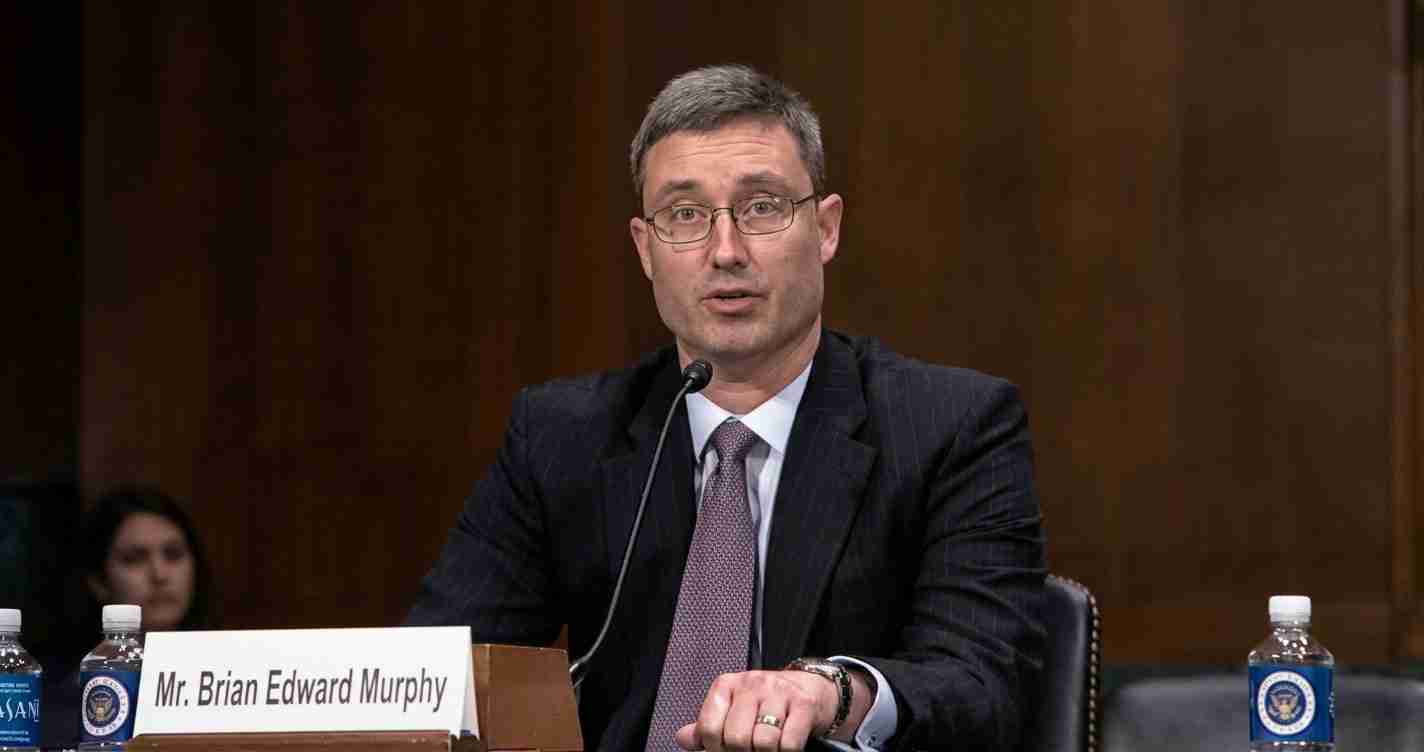
Biden-Appointed Judge Brian Edward Murphy Faces Fresh Backlash After Blocking Trump Immigration, Vaccine Policies — Reversals Mount
U.S. District Court Judge Brian Edward Murphy, a Biden appointee in Massachusetts, faces growing criticism and repeated reversals after issuing injunctions blocking Trump-era immigration and January 2026 vaccine policies, prompting appeals and sharp backlash from conservatives and the DOJ.
- High-profile injunctions: Murphy blocked portions of the third-country deportation policy and a January 2026 CDC immunization schedule, actions later stayed by higher courts.
- Repeated reversals: The Supreme Court and the 1st Circuit have issued stays or pauses of Murphy’s orders, prompting public rebukes and rapid DOJ appeals.
- Public criticism: Deputy AG Todd Blanche publicly chastised Murphy’s decisions on Fox News coverage, signaling aggressive appeal efforts.
- Local impact: Communities such as Redding, California, could face uncertainty in school vaccine requirements and public-health planning while litigation proceeds.
Background and appointment
Brian Edward Murphy (born 1979) earned a B.A. from the College of the Holy Cross (2002) and a J.D. from Columbia Law School (2006). He served as a public defender and in private practice before President Biden nominated him on March 21, 2024; the Senate confirmed him on Dec. 2, 2024. Supporters praised his record defending constitutional rights and representing indigent clients. Critics highlighted his prior role on the Massachusetts Association of Criminal Defense Lawyers board and a 2020 letter the group issued, which Murphy acknowledged signing and later apologized for not disclosing during confirmation. (Sources: Judge biography, Federal Judicial Center; Vetting Room profile; Senate Judiciary release.)
The key rulings and reversals
Third-country deportation policy
Case overview: In litigation over the Department of Homeland Security’s third-country deportation policy, Judge Murphy issued injunctions blocking deportations to third countries. Court filings suggested those orders could have halted thousands of deportations. The administration appealed, and the Supreme Court intervened: in June 2025 the high court issued a 6–3 stay of Murphy’s injunction, and a week later issued a rare second stay (7–2) sharply rebuking the judge for not following the court’s direction. On March 16, 2026, the U.S. Court of Appeals for the 1st Circuit paused another Murphy decision that again blocked DHS’s policy, underscoring tensions over a trial judge’s power to halt national enforcement actions. (Source: Fox News.)
Vaccine policy and HHS/CDC
March 16, 2026 decision: In a suit brought by medical organizations against HHS Secretary Robert F. Kennedy Jr., Murphy issued a sweeping preliminary injunction finding the secretary likely violated law in overhauling CDC vaccine policies. His order stayed a January 2026 immunization schedule that reduced vaccine requirements for children, invalidated a newly appointed vaccine advisory committee, and froze its decisions pending litigation. In his opinion Murphy quoted Carl Sagan, calling science “the best we have,” and emphasized vaccine efficacy in explaining the injunction. The Department of Justice moved quickly to appeal. (Source: Fox News.)
Legal experts and conservative reaction
The backlash has been public and pointed. Deputy Attorney General Todd Blanche posted on X, criticizing Murphy’s record and vowing continued appeals. Conservative commentators and some legal scholars described a pattern they called judicial activism or a “double standard.” University of Minnesota professor Ilan Wurman criticized the pattern, while George Washington University law professor Jonathan Turley warned the system cannot function with what he termed “rogue operators at the trial level.” Conservative outlets have framed Murphy as an activist judge whose orders have frequently been overturned. These reactions dovetail with rapid DOJ appeals seeking to restore departmental authority. (Source: Fox News.)
“How many times can Judge Murphy get reversed in one year? The same day he is stayed for repeatedly refusing to follow the law, he issues another activist decision. We will keep appealing these lawless decisions, and we will keep winning.”
Why the reversals matter
District courts can issue relief with immediate, nationwide effects—including injunctions that halt government programs. When trial-level orders affect national priorities like immigration enforcement or vaccine policy, they can disrupt executive action and force rapid appeals to higher courts. A string of stays from the Supreme Court raises institutional questions about the proper scope of district-court authority and the balance between judicial review and separation of powers. Supporters of robust judicial review say trial judges must check legality regardless of policy; critics warn a single district judge should not control broad nationwide policy outcomes.
Implications for Redding, California
Economic impact: Redding families and local health clinics could face indirect effects if federal vaccine policy remains uncertain. Paused immunization schedules may delay changes affecting school vaccine requirements, complicating scheduling and supplies for pediatricians and public-health providers.
Political consequences: For conservative voters in Redding, Murphy’s rulings may reinforce concerns about federal overreach and unelected judges shaping policy. Local campaigns and officials could use the episode to call for limits on nationwide injunctions or broader judicial reform.
Social effects: Parents may be uncertain which immunizations are required for school enrollment, increasing local debate over vaccine policy. Immigration rulings may influence local conversation about enforcement and border policy.
Practical guidance: Local school districts and public-health offices should monitor appeals closely. Parents seeking clarity should consult the Shasta County Public Health Agency and local school administrators for current enrollment guidance while litigation proceeds.
Reporting note and sources
This account draws on public biographical material and recent reporting. Key biographical sources and coverage of rulings, stays, and reactions are listed below for reference.



