
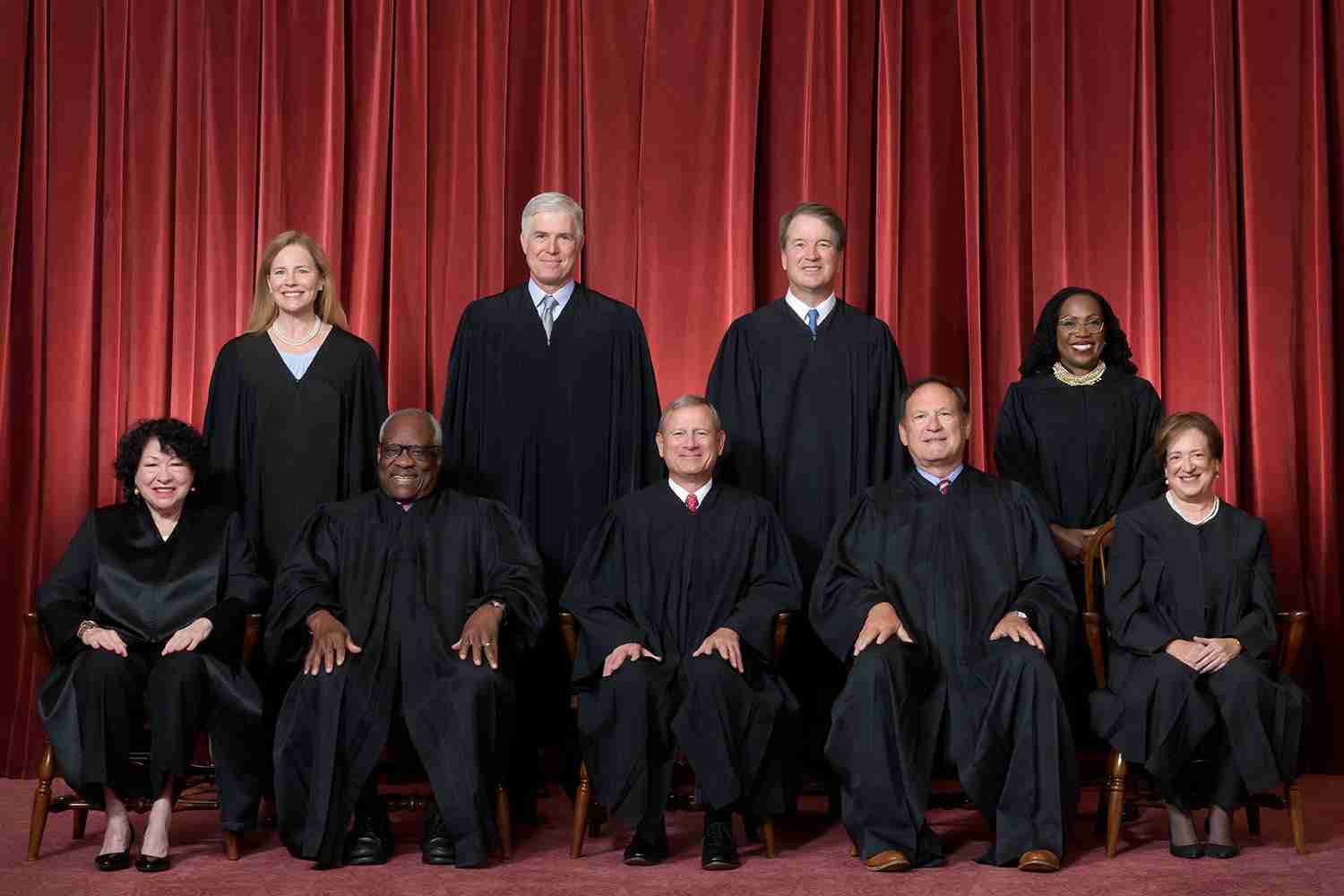
Supreme Court Pauses Order That Would Have Restored $4 Billion in SNAP Benefits as Shutdown Continues
The Supreme Court temporarily stayed a lower court order requiring the Trump administration to restore $4 billion in SNAP benefits, leaving millions without aid amid a government shutdown while legal and political disputes over nutrition funding continue.
- Emergency stay granted: The Court accepted an emergency appeal from the administration that temporarily blocks a lower-court order to restore $4 billion in SNAP benefits, according to the Los Angeles Times.
- Appeals court response: The 1st U.S. Circuit Court of Appeals initially declined to immediately freeze the lower court’s order but said it would quickly review the legal issues, per the Los Angeles Times.
- Administration’s warning: Emergency filings said restoring SNAP now would force reallocation from programs such as school lunches — described in filings as “starve Peter to feed Paul” — as reported by the Los Angeles Times.
- Story still developing: The high court’s action is temporary and does not decide the final outcome; see video coverage of the temporary block in this video report.
What happened in the courts
A federal judge ordered the administration to restore SNAP benefits that stopped when the government shutdown began, aiming to prevent hardship for millions of Americans who rely on SNAP for groceries. States including California filed lawsuits arguing the lapse caused immediate harm, as covered by the Los Angeles Times.
The administration quickly asked the 1st U.S. Circuit Court of Appeals to pause the lower court’s order while legal arguments proceeded. The appeals court declined to freeze the ruling immediately but indicated it would move fast to consider the case on its merits, again reported by the Los Angeles Times.
Afterward, the administration filed an emergency appeal to the Supreme Court, which agreed to temporarily block the lower court’s order and pause immediate restoration of the $4 billion in SNAP funding while the legal fight continues (video report).
Why the administration asked for the pause
Officials argued that complying with the lower court’s order would require diverting funds from other federal nutrition programs. In emergency filings the administration said moving funds could harm programs such as school lunches and child nutrition services, warning that it would be equivalent to “starve Peter to feed Paul” (Los Angeles Times).
The administration framed the dispute as one of limited federal dollars and prioritization across nutrition programs during a lapse in appropriations, stressing potential ripple effects if SNAP were fully funded now without new congressional appropriations (Los Angeles Times).
What states and lawmakers said
California and several other states sued to force restoration of SNAP benefits, saying the lapse created urgent hardship for low-income families who depend on monthly payments for food (Los Angeles Times).
The legal fight prompted bipartisan pressure in Congress. Lawmakers from both parties urged emergency action to address food insecurity caused by the funding lapse, reflecting immediate human impacts even as broader debates over spending and shutdown strategy continue (Los Angeles Times).
What the temporary Supreme Court block means now
The Supreme Court’s order preserves the status quo while higher courts and possibly the Supreme Court itself weigh the deeper legal questions. Practically, SNAP benefits remain paused where they already lapsed, prolonging food insecurity concerns for millions of families (video report).
The case raises three parallel issues that could shape the final outcome:
- The legal authority of courts to order spending during a lapse of appropriations.
- The administration’s duty to prioritize different nutrition programs when funds are limited.
- Congress’s political responsibility to end the shutdown and provide funding.
On-the-ground effects and the role of local services
The pause in SNAP payments affects households, local retailers, and community organizations. Grocery stores and markets that rely on SNAP sales may see reduced revenue. Nonprofit food banks and pantries often report increased demand during funding interruptions, straining volunteers and supplies (Los Angeles Times).
Even short interruptions matter: families living paycheck to paycheck may skip meals, delay bills, or turn to relatives and charities. School meal programs are part of the broader nutrition network the administration warned could be harmed if funds are reallocated (Los Angeles Times).
Legal timeline and next steps
Legal experts expect appeals courts and possibly the Supreme Court to take time parsing core issues. The 1st Circuit’s earlier refusal to immediately block the lower court’s order signaled urgency but left room for the Supreme Court’s emergency intervention (Los Angeles Times).
The Supreme Court’s temporary stay gives the administration time to advance its arguments, but it does not prevent a later ruling ordering restoration of benefits if courts find the lower court’s intervention appropriate. Meanwhile, congressional action to provide emergency funding could avoid the legal contest entirely (video report).
Implications for Redding, California
Economic impact: Redding-area households that rely on SNAP face direct hardship. In Shasta County and neighboring rural areas, many residents live on tight budgets where SNAP payments matter for weekly groceries. Local grocery stores and farmers’ markets that accept SNAP could see fewer customers and lower sales.
Political consequences: The legal fight may put pressure on local elected officials. Conservative voters who back fiscal restraint may nonetheless demand immediate relief for neighbors in need, creating difficult choices for representatives balancing ideology and local hardship.
Social effects: Food banks, church pantries, and community groups in Redding are likely to see increased demand; volunteers and resources could be stretched. Interruptions in SNAP payments can impact school districts and family stress levels quickly.
Cultural relevance: In the North State, values of self-reliance and local charity intersect with expectations that government programs work reliably during crises. Debates will likely center on balancing fiscal priorities with urgent relief for vulnerable neighbors.
Practical applications
Residents who depend on SNAP should check benefit status with local county offices and community organizations. Those in need can turn to local food banks and faith-based groups for short-term support. Watch statements from Shasta County supervisors, the Redding school district, and local congressional offices for updates on legal developments and available community resources.
Sources and further reading
- Los Angeles Times, “Trump administration appeals as courts weigh SNAP funding during shutdown,” Nov. 7, 2025
- Video report on Supreme Court temporary block and SNAP funding
“Forcing immediate restoration without new appropriations could require agencies to ‘starve Peter to feed Paul,’ the administration warned in emergency filings.” — Court filings and reporting



