
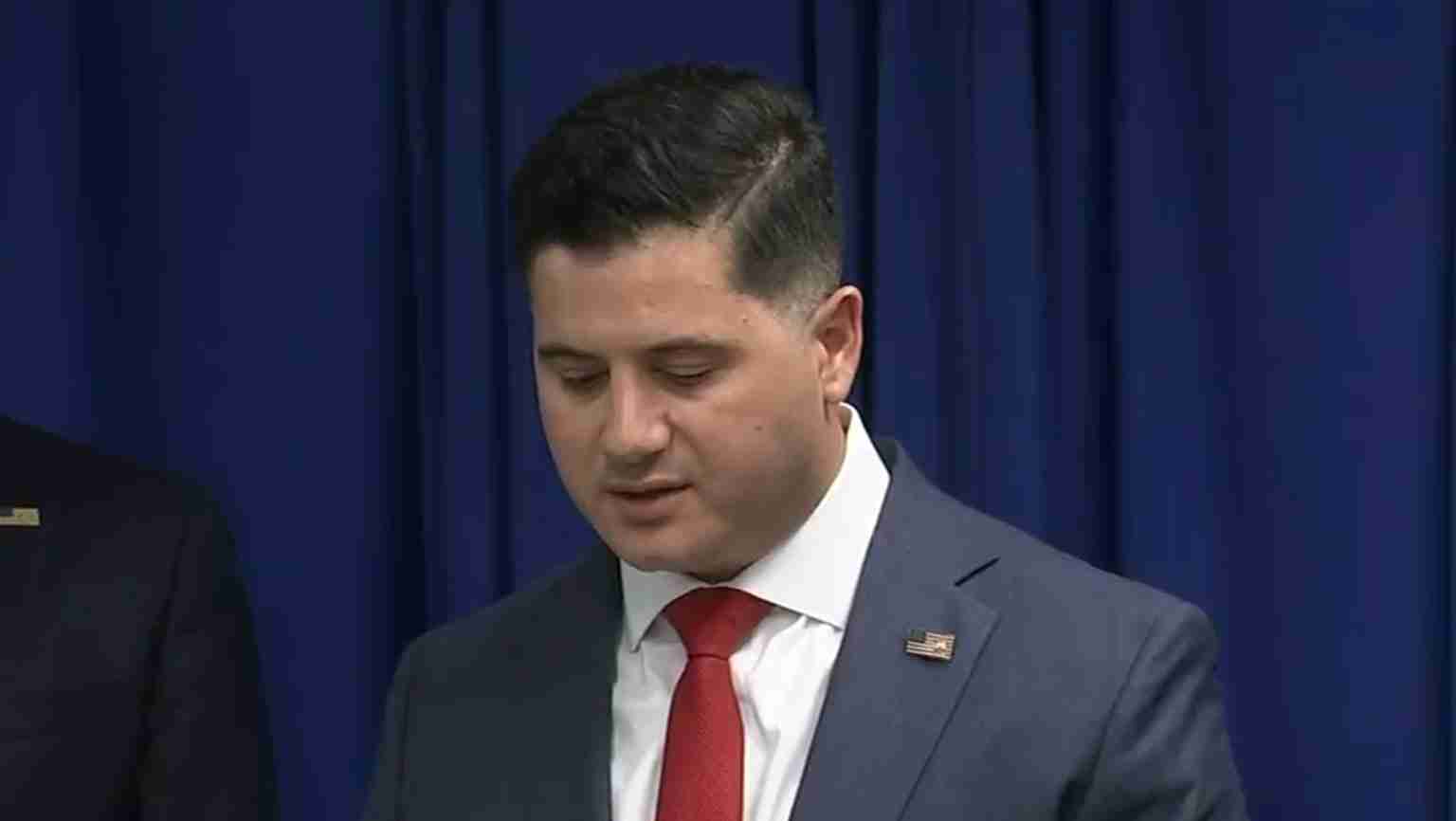
Federal “Operation Never Say Die” cracks down on Southern California hospice fraud; 8 arrested in multimillion-dollar Medicare scheme
Federal authorities on April 2, 2026, launched Operation Never Say Die, a Southern California takedown charging eight people and accusing sham hospices and related schemes of attempting to defraud Medicare of roughly $50–60 million, officials said.
Key takeaways
- Operation Never Say Die targeted sham hospice providers and allied schemes across Southern California, alleging $50–60 million in intended Medicare losses.
- Eight arrests were made; a total of 15 individuals face charges including health care fraud and wire fraud.
- Alleged tactics included recruiting non‑terminal beneficiaries, paying them to enroll as hospice patients, and billing Medicare for services not provided.
Overview of the takedown
On April 2, 2026, federal partners including the U.S. Department of Justice, the DOJ, the FBI, and the Centers for Medicare & Medicaid Services coordinated “Operation Never Say Die.” Authorities said the sweep focused on sham hospice facilities and other health‑care fraud schemes across Southern California — from Covina to Lakewood — and led to multiple arrests and search warrants.
What federal prosecutors say
“Zero‑tolerance policy” — First Assistant U.S. Attorney Bill Essayli described parts of the region as a “kingdom of fraud” and vowed aggressive prosecution of those who steal taxpayer dollars meant for terminal patients.
FBI Assistant Director Akil Davis warned Southern California is a “high‑risk environment” for hospice fraud and said these schemes feed a national problem that reaches into the billions. The operation was promoted by Vice President JD Vance’s Anti‑Fraud Task Force and supported by partners across the federal government, with public statements and media outreach emphasizing coordinated enforcement efforts (Vice President JD Vance social video).
Arrests, charges and potential penalties
Eight defendants were arrested in the takedown; others were served with summonses and a total of 15 individuals face charges that include health care fraud and wire fraud. Court filings and DOJ statements note maximum penalties of up to 10 years for health care fraud and up to 20 years for wire fraud. Some arrestees appeared in U.S. District Court in downtown Los Angeles; one was arrested in Idaho.
How the alleged schemes worked
Prosecutors allege operators recruited Medicare beneficiaries who were not terminally ill, offered payments (reported patterns included about $300 a month plus vitamins), and enrolled them in hospice so providers could bill Medicare for end‑of‑life care. Once enrolled, defendants are accused of billing for hospice services and other unnecessary care, including chiropractic and physical therapy services (roughly $19 million in claims dating 2010–2023) and even fake immigration medical exams tied to green card applications.
License flipping and geographic spread
Investigators described aggressive maneuvers such as “license flipping,” noting dozens of hospice licenses concentrated in small areas — the complaint alleges 42 hospice licenses within four blocks of Van Nuys. Search and arrest warrants were executed across Covina, Glendale, Anaheim and Lakewood as part of the coordinated operation.
High‑profile defendants
A Glendale hospice operated by a Covina couple, Gladwin Gill (psychologist, 66) and his wife Amelou Gill (registered nurse), is accused of submitting more than $5.2 million in false claims to Medicare, which allegedly paid out more than $4 million. The couple denies the charges; their attorney said they look forward to their day in court.
Officials’ reactions and follow‑up actions
CMS Administrator Dr. Mehmet Oz announced a review of every hospice in California this year and said CMS is moving to impose a nationwide moratorium on certain high‑risk equipment and billing practices. Oz cited abnormal survival rates as a red flag — experts say survival near 100% or even over 50% within a six‑month certification window indicates a problem.
Oz faced criticism after a video showed him speaking near an Armenian‑owned bakery in Van Nuys; the business owner called the implication false and discriminatory. Assistant U.S. Attorney Essayli clarified that none of the charged defendants were connected to that video. California Governor Gavin Newsom pushed back, accusing federal officials of shifting blame to the state.
Wider enforcement and audit plans
Officials signaled additional audits and enforcement actions. CMS and the DOJ plan nationwide audits of high‑billing hospices and said similar takedowns will continue. In Los Angeles, provider suspensions jumped — reports cite 221 suspended providers, a 215% increase from 70 the prior week — and prosecutors warned of more arrests and court appearances ahead.
Implications for Redding and local communities
Economic: Medicare fraud diverts taxpayer funds away from local health services; stopping schemes preserves funding for hospitals, clinics and senior services in Redding.
Political: The takedown illustrates a federal push to police Medicare more aggressively via the Anti‑Fraud Task Force and highlights tensions between state and federal leaders over oversight and responsibility.
Social/Cultural: Hospice is meant for the terminally ill. Allegations that providers recruited vulnerable beneficiaries undermine trust in end‑of‑life care and may increase scrutiny of providers serving seniors in towns like Redding.
Practical steps for residents
- Check Medicare statements: Regularly review Medicare Summary Notices for unexpected hospice or medical claims and report discrepancies.
- Verify hospice providers: Request written hospice enrollment documents, supervising physician contact information, and proof of terminal prognosis before signing.
- Report suspicious offers: If someone offers cash or gifts to be listed as a hospice patient, contact the FBI tip line or the DOJ.
- Contact representatives: Urge state and federal officials to support audits, protect beneficiaries, and prosecute fraud swiftly.
Source documents and reporting
Preserved source materials and coverage referenced in this report:
- U.S. Department of Justice press release
- Fox 11 Los Angeles coverage
- ABC7 Los Angeles coverage
- Vice President JD Vance social video
Report suspected fraud and more information
To report suspected fraud or for further information, consult federal contacts and local coverage:
- DOJ Central District of California press release and contact information
- Fox 11 Los Angeles — local reporting and updates
- ABC7 Los Angeles — coverage and follow‑ups
Note: This article preserves factual claims and original source links as released by officials and local reporting. Readers should follow official channels for updates and case developments.



