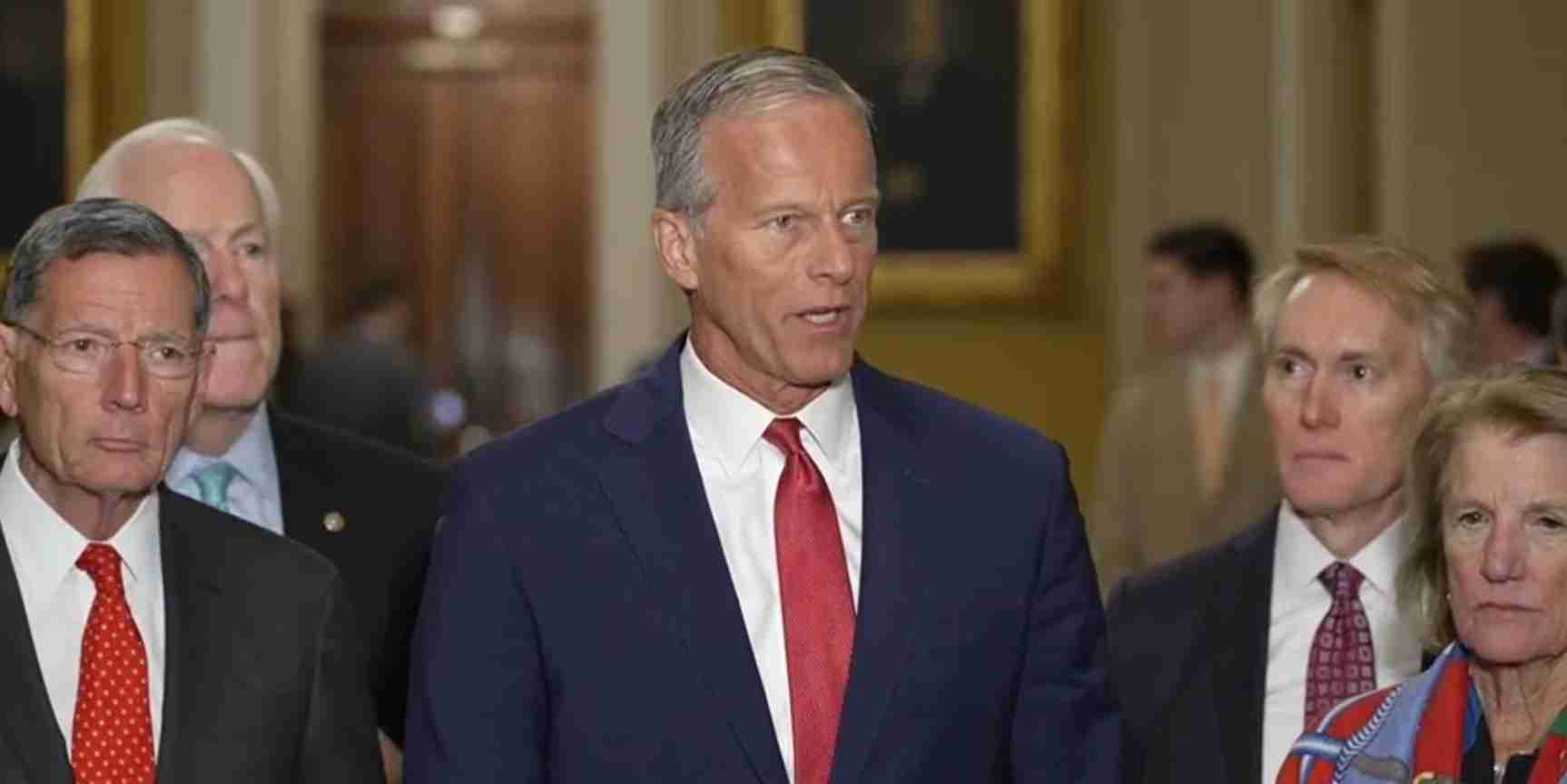
Senate GOP Moves to Fast-Track Trump Nominees by Bundling Votes, GOP Says “Blockade Ends Today”
Senate Republicans are pursuing a procedural rule change to permit en bloc votes on multiple presidential nominees, aiming to speed confirmations of ambassadors, U.S. attorneys and other appointees and counter what GOP leaders call Democratic obstructionism.
- Key takeaway: Senate GOP leaders want a rule change to permit grouped, en bloc confirmation votes for presidential nominees to reduce floor time and speed staffing.
- Timing: GOP senators say the change could be implemented within weeks, depending on internal procedure and unity.
- Scope: The proposal specifically targets ambassadors, U.S. attorneys and similar executive nominations.
- Debate: Supporters call it an end to Democratic obstruction; critics warn it could erode minority rights and rush vetting.
Key information and sources
Senate Republicans want a rule change that would let the chamber vote on several presidential nominations at once, instead of one by one. (Source: Scripps News)
GOP leaders say the current process wastes floor time and blocks the administration from staffing critical posts. (Source: Scripps News)
The measure would allow en bloc confirmation votes for ambassadors, U.S. attorneys and other executive nominees. (Source: Scripps News)
Senators have said the change could happen within weeks. (Source: Politico Pro)
Supporters frame the move as an end to what they call Democratic obstruction of Trump nominees. (Source: Scripps News)
What Republicans are proposing
Senate GOP leaders are drafting a procedural change to allow grouped votes on presidential nominees. Under current practice, many nominees require individual roll calls or voice votes, which can consume significant floor time and allow opponents to slow confirmations.
The proposed rule would let the majority call up a list of nominees and vote on them as a block, speeding confirmations for both career civil-service positions and political appointees. Ambassadors, U.S. attorneys and related roles are specifically highlighted by GOP leaders as likely to benefit. (Scripps News)
Supporters’ case: stop the stall, staff the government
Backers argue the Senate must be able to staff the government efficiently. Senator Rand Paul defended the effort, saying presidents “do have a right to get an administration and get the people to work with them so they can implement their policy.” He added that voting on each nominee separately consumes valuable floor time and distracts from business such as appropriations. (Scripps News)
GOP aides and senators describe months of stalled nominations that leave federal offices short-handed, arguing an en bloc approach would cut down on repeated procedural fights and let the chamber focus on legislation and oversight. (Scripps News)
Framing the move as a response to Democratic tactics
Republicans frame the push as a direct response to what they call a Democratic blockade. GOP leaders say Democrats have been blocking or stalling many of President Trump’s nominees, forcing repeated delays. In announcing the effort, one GOP senator declared,
“the blockade ends today.”
Commentators have used dramatic language—calling the tactic “nuclear”—to convey how sharply it would alter long-standing Senate practice. (Scripps News; Politico Pro)
How the rule change would work in practice
Mechanically, the change is straightforward: instead of calling and voting on nominees one at a time, leaders would place multiple nominations on the calendar and hold a single en bloc vote for the entire list. That could cut the time per nominee from hours to minutes and reduce the minority’s ability to force repeated debate.
The Senate already uses tools to speed confirmations, but Republicans propose a broader, systemic shift so en bloc voting becomes routine rather than occasional. (Scripps News)
Timeline and likelihood
Senate Republicans say the rules could change within weeks. Leaders emphasize urgency because of the backlog of nominees and the onset of fiscal and legislative work that requires filled offices. The exact timing depends on GOP unity and the procedural path chosen to alter chamber rules. (Politico Pro)
Legal and constitutional context
This is a matter of Senate rules and precedent, not a constitutional amendment. Procedural changes are governed internally by the chamber’s rules and historical practice. There is no indication this nomination procedure was part of the summer 2025 budget package known as the “One Big Beautiful Bill Act.” That bill focused on budget rules and did not include this nomination procedure. (Congress.gov; Campaign Legal Center)
Reaction from Democrats and critics
Democrats and some independent observers warn the change would further erode minority rights in the Senate and could allow controversial or insufficiently vetted nominees to be confirmed quickly. Critics note bundling nominations reduces opportunities for individual senators to question nominees publicly or place holds.
Republicans respond that committee hearings and background checks would remain in place and that the goal is to stop tactics they view as obstruction and ensure the government is staffed. (Scripps News)
Local angle: why Redding should watch this fight
For readers in Redding, California, a Senate rule change matters directly. Federal posts affect local life—from U.S. attorneys who prioritize federal cases to agency leaders who oversee grants, disaster recovery and land management. Faster confirmations can mean quicker decisions and clearer direction for agencies serving Northern California.
Implications for Redding, California
Economic impact
- Federal offices that oversee grants, disaster recovery and law enforcement influence local budgets; faster confirmations could speed case handling and federal support after wildfires or floods. (Scripps News)
Political consequences
- A rule change that speeds confirmations would likely benefit a Trump administration aligned with conservative priorities, potentially affecting immigration enforcement, environmental regulation enforcement and federal land management near Redding. (Scripps News)
Social effects
- U.S. attorneys set prosecution priorities; faster confirmations could prompt more rapid shifts in enforcement emphasis, affecting local law enforcement partnerships and community safety perceptions. (Scripps News)
Cultural relevance
Redding’s electorate includes many voters who prioritize law and order, property rights and small-government principles; the GOP message that “the blockade ends today” will resonate with those frustrated by perceived gridlock.
Practical applications for residents
- Homeowners and businesses seeking federal help after emergencies could see reduced wait times if key agency leaders are confirmed sooner.
- Local attorneys and law enforcement may need to adapt quickly to changes in federal prosecution and enforcement priorities.
- Community groups that work with federal grants should monitor appointments in agencies that oversee funding, as leadership priorities shape grant decisions. (Scripps News)
Sources and further reading
- Scripps News: Senate GOP eyes rule change to fast-track Trump nominee confirmations
- Politico Pro: Rules could change within weeks to speed confirmations
- Congress.gov: House Joint Resolution 29
- Campaign Legal Center: These hidden provisions in the budget bill undermine our democracy
Reporting note
This article is based on statements from Senate Republicans, public remarks by Senator Rand Paul, and reporting by national outlets. Source material includes Scripps News and Politico Pro, as well as official legislative records. (Times Media Service)