
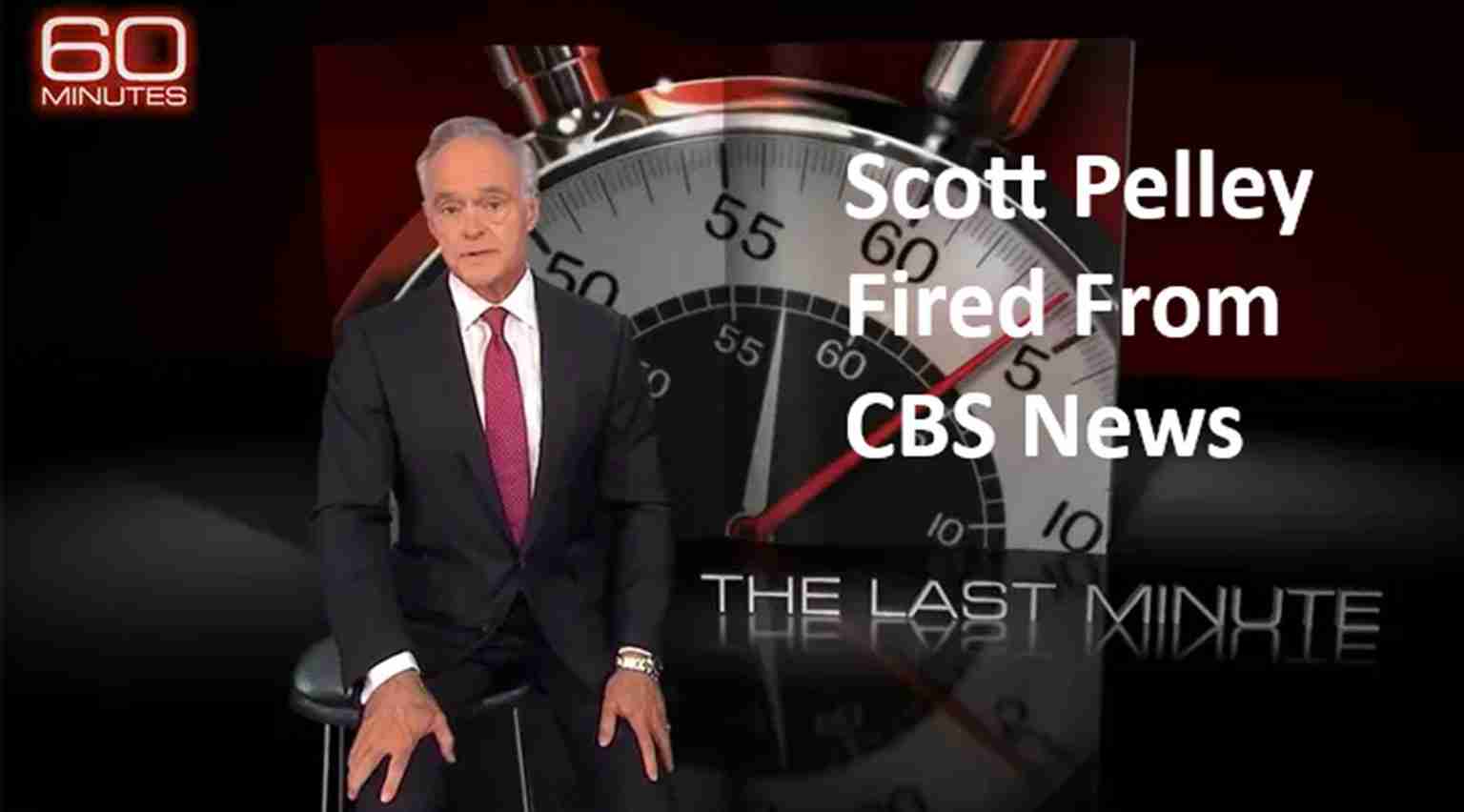
Scott Pelley fired from CBS News after clash with new leadership; “been in combat” remark sparks stolen valor accusations
Longtime ’60 Minutes’ correspondent Scott Pelley was fired from CBS News after a clash with new leadership; his claim that he had “been in combat” in Afghanistan, Iraq and Ukraine has drawn accusations of “stolen valor” and renewed debate over newsroom ethics.
- Pelley ousted after a heated showdown with editor-in-chief Bari Weiss and new executive producer Nick Bilton. (Source: Fox News)
- Controversial phrasing: Pelley told The New York Times he had “been in combat” in Afghanistan and Iraq, wording that drew sharp online criticism. (Source: Fox News)
- Debate over language and credibility: Critics called the phrasing inappropriate and likened it to past newsroom credibility scandals; CBS denies political interference. (Source: Fox News)
What Pelley said about being “in combat”
In an interview summarized by Fox News from The New York Times, Pelley defended his record and described his war-zone reporting in forceful terms. He said,
“I have been in combat in Afghanistan. I have been in combat in Iraq. I have been in the war zone in Ukraine multiple times, risking my life and the happiness of my family because of my devotion to the broadcast.”
Pelley has reported from Afghanistan, Iraq and Ukraine across his career after joining CBS in 1989. Public records show he did not serve in the U.S. military; critics argue the phrase “in combat” implies a combatant role rather than that of a civilian reporter, while supporters emphasize the real risks journalists face in active war zones.
Social media backlash and “stolen valor” accusations
Pelley’s wording prompted widespread online criticism, from mockery to explicit charges of stolen valor—the claim that a civilian improperly borrows military status or honors. Examples highlighted by the coverage include:
- Sean Davis of The Federalist wrote that Pelley “was never in combat anywhere.” (Reported via Fox News)
- Clay Travis compared the language to “low-rent Brian Williams behavior,” referencing the 2015 controversy over inaccurate battlefield claims. (Reported via Fox News)
Many critics stressed respect for veterans and argued the wording blurred lines between reporting on combat and serving as a combatant. At this stage, “stolen valor” labels remain opinion-driven social-media accusations; there are no public reports of legal action or formal complaints by veterans’ groups. (Reporting via Fox News)
How the firing reportedly unfolded
Multiple outlets reported that Pelley’s exit followed a tense internal confrontation after an earlier staff meeting for 60 Minutes. Puck media correspondent Dylan Byers described a post-meeting showdown in which the parties failed to find common ground, accelerating Pelley’s departure. A staff video of a tense meeting circulated online.
- Pelley openly confronted editor-in-chief Bari Weiss and new executive producer Nick Bilton.
- Weiss reportedly asked Pelley to apologize and accused him of creating a hostile workplace.
- Pelley criticized the abrupt firing of several staffers—labeling it “Black Thursday”—and objected to Bilton’s appointment. (Summary via Fox News)
Dispute over bias and editorial interference
Beyond the combat phrasing, Pelley told The New York Times he believed CBS News leadership pressed correspondents to introduce bias into 60 Minutes stories after Weiss took charge, according to the Fox News summary. Pelley framed this as a decline in standards and as a reason for his vociferous objections to the new leadership.
CBS responded: a network spokesperson said, “There is no political interference at CBS News, not from ownership, not from Bari Weiss. The only ‘interference’ is the normal back and forth between editor and correspondent that happens in every newsroom.” That public denial leaves the dispute unresolved. (Reporting via Fox News)
“Black Thursday” and staff shake-up at “60 Minutes”
Pelley’s objections were tied to a sweeping personnel shake-up at 60 Minutes. Several correspondents and producers were removed abruptly—names reported included Sharyn Alfonsi, Cecilia Vega and executive producer Tanya Simon. Weiss named Nick Bilton as Simon’s successor the same day, a move that helped trigger Pelley’s public rebuke. (Reported via Fox News)
Comparison to the Brian Williams precedent
Commentators noted parallels to the Brian Williams case at NBC, when Williams was suspended in 2015 for misstating battlefield details. Critics say Pelley’s phrasing risks overstating a reporter’s role in conflict zones. A key distinction: Williams’ claim referenced a disputed specific event, while Pelley’s remarks have been broader and hinge on interpretation of “in combat”. (Source reporting compiled and summarized)
What is not yet clear
- The full New York Times interview transcript has not been widely published, so nuance in Pelley’s remarks remains limited.
- No internal CBS emails or documents have been produced publicly to confirm or refute Pelley’s claims about editorial pressure.
- There are no reports of formal investigations, legal filings, or official veterans’ group complaints tied to the “stolen valor” accusations—most coverage rests on Pelley’s statements, internal accounts and outside commentary. (Summary reporting)
Implications for Redding, California
Economic: Local outlets in Redding are unlikely to see direct economic fallout, but national headlines on media credibility can affect local advertising and subscriptions as audiences reassess trust in mainstream outlets.
Political: For conservative voters in Redding and Shasta County, the controversy may reinforce skepticism of national network news and fuel messaging about media bias.
Social & cultural: With many residents having military ties, the “stolen valor” tone may resonate strongly; local veterans groups could weigh in, potentially expanding community debate over language and respect for service.
Practical: Local newsrooms and community groups might adopt clearer editorial guidelines about describing risks in dangerous environments and could host public forums on media ethics.
Sources and further reading
– Fox News coverage summarizing The New York Times interview and reporting on Pelley’s firing.
– Video of the internal staff meeting circulated online.



