
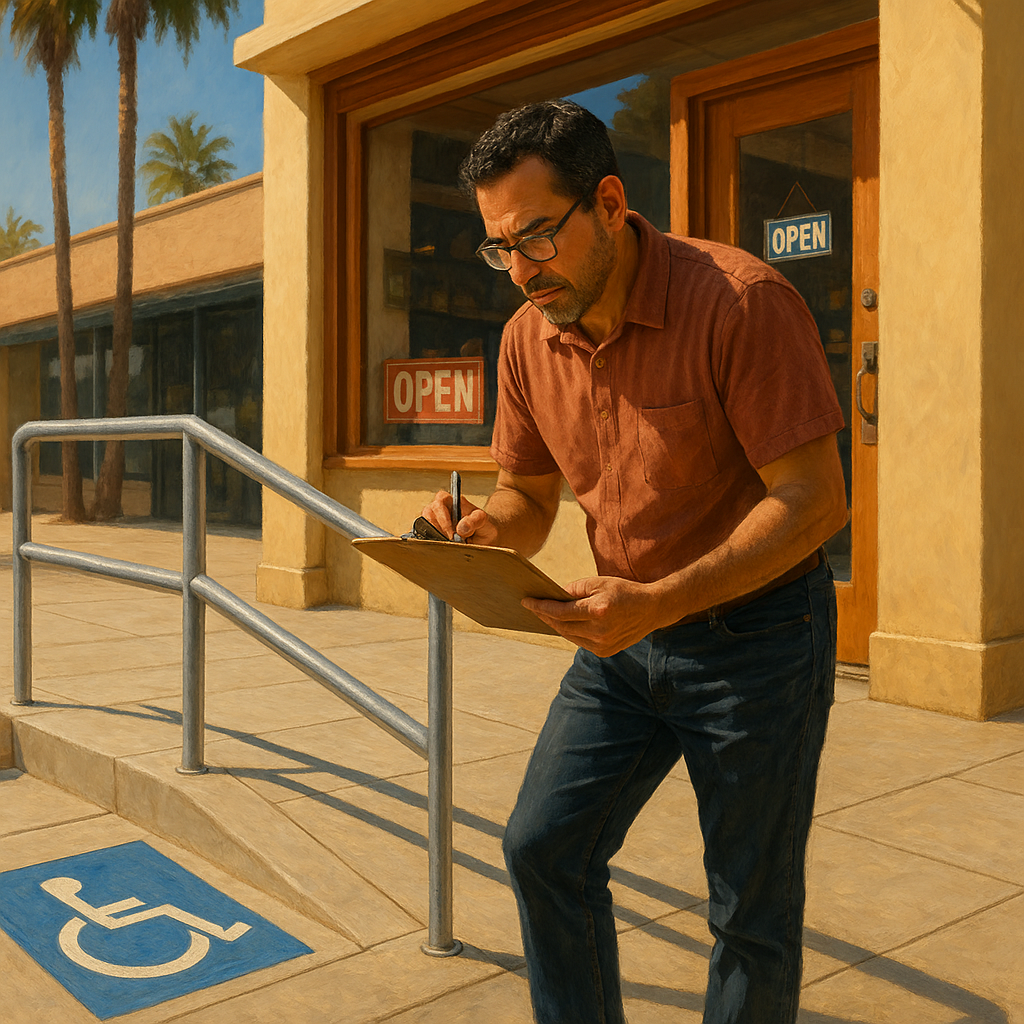
New legislation gives eligible small businesses 120 days to fix construction-related accessibility issues before facing costly statutory penalties
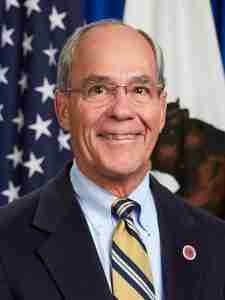 Roger Niello / California SB 84 (Courtesy Wikipedia)
Sacramento, California (Times Media Service) – On June 5, 2025, the California Senate approved the SB 84 Small Business Right to Cure Bill in California, setting up a new process that allows qualifying small businesses to correct construction-related accessibility violations within 120 days before being hit with statutory damages.
Overview of SB 84 Small Business Right to Cure Bill
Senate Bill 84 creates a “right to cure” process focused on construction-related accessibility claims against small businesses. Under current law, any building owner found in violation of state accessibility standards can face minimum statutory damages of $4,000 per violation plus attorney fees and costs, even for minor technical errors. SB 84 aims to balance the need for public access with protection for local businesses by giving them an opportunity to fix infractions before penalties apply.
The bill applies only to businesses with 50 or fewer employees, counted at the time of the alleged violation or during the preceding three years. It does not cover web or programmatic accessibility claims, which remain subject to the existing enforcement process. By narrowing the scope, lawmakers hope to address “lawsuit abuse” while keeping the focus on physical access for people with disabilities.
SB 84’s eligibility rules require proof of business size when a claim is filed. If a business qualifies, a plaintiff must first serve a detailed notice letter outlining each alleged violation. This written notice is a new safeguard designed to prevent surprise claims and give small business owners clear guidance on what needs fixing.
Once notice is received, the small business has 120 days to remedy all specified issues. If the business completes the repairs and provides proof of compliance within that period, it is shielded from statutory damages, attorney fees, and court costs related to that claim. Plaintiffs may still file suit, but damages are limited to injunctive relief to ensure ongoing accessibility.
Notice and Cure Process Explained
Under SB 84’s proposed process, the notice letter must include a full description of each alleged construction-related violation. Common infractions include missing curb cuts, improperly sloped ramps, or noncompliant restroom layouts. By requiring specificity, the bill aims to reduce broad or vague allegations that can lead to high legal fees without clear direction.
Once the notice is served, the business owner can hire an accessibility consultant or architect to inspect the premises and oversee repairs. California’s Division of the State Architect maintains the standards, and businesses must bring their property into full compliance with the California Building Code’s accessibility chapter. This structured cure period also allows owners to spread the cost of improvements over several months.
If repairs are completed within the 120-day window and verified by a qualified professional, the plaintiff must dismiss the statutory damages claim. However, the bill prevents plaintiffs from simply labeling the same issue as general discrimination under the ADA to sidestep the cure process. Courts will enforce the “right to cure” provisions and reject efforts to evade them.
Should a business fail to cure within the allotted time, the full statutory damages and attorney fees become available to the plaintiff, as under current law. This dual outcome is intended to encourage timely fixes without eliminating the deterrent effect of damages for uncorrected violations.
Supporters and Opponents Weigh In
Senator Roger Niello (R-Fair Oaks), the bill’s author, said, “People with disabilities deserve accessible spaces, and small businesses deserve a fair chance to address compliance issues before trial.” Co-sponsors from both parties praised the balance between protecting disability rights and supporting local entrepreneurs.
Senator Angelique Ashby (D-Sacramento) highlighted the economic impact, noting that “small businesses account for a significant share of our state’s jobs. SB 84 safeguards community shops from predatory litigation while ensuring access for all Californians.” Senator Aisha Wahab (D-Silicon Valley) added, “This bill respects both the rights of people with disabilities and the challenges immigrant-owned businesses face in navigating complex building codes.”
Disability rights advocates counter that SB 84 could weaken enforcement by shifting the burden onto individuals to identify and report violations. Some worry that a cure period may delay needed improvements and leave people with disabilities navigating barriers longer than necessary. Critics emphasize that strong, proactive compliance is the best way to guarantee access.
Legal experts are divided. A leading civil litigation firm warns SB 84 “treats people with disabilities as second-class citizens” by delaying full remedies. Others argue the notice-and-cure approach already exists in other areas of law and can reduce frivolous lawsuits without undermining enforcement of accessibility standards.
Impact on California Small Businesses and Communities
For many small-town cafés, family-run shops, and neighborhood markets, the threat of a sudden lawsuit over minor ramp measurements has been a source of worry. Owners with tight margins often struggle to pay legal fees and damages for infractions they did not know existed. SB 84’s cure process offers a reprieve and, advocates hope, will lower litigation costs statewide.
Local chambers of commerce have largely embraced the bill, calling it a “commonsense reform.” By requiring potential plaintiffs to outline specific issues, SB 84 may also foster better communication between disability rights groups and small business owners. Early collaboration could lead to faster, more cost-effective accessibility upgrades.
Some small business associations plan to develop compliance guides and workshops to help members understand the new requirements. These resources could include model notice responses, lists of certified accessibility consultants, and step-by-step instructions for common fixes such as installing handrails or modifying door thresholds.
From a community perspective, ensuring accessible storefronts benefits everyone. Parents with strollers, seniors using walkers, and delivery workers all rely on safe, level entryways. Proponents argue that SB 84 will incentivize businesses to prioritize accessibility improvements sooner, knowing they have a clear path to resolve issues without facing immediate financial ruin.
What’s Next for SB 84 Bill
After passing the Senate on June 5, SB 84 moves to the Assembly, where it will be reviewed by the Judiciary Committee later this month. A successful committee vote would send the bill to the full Assembly floor, with potential final passage before the August recess. If approved, SB 84 would go to Governor Gavin Newsom’s desk for signature.
Because SB 84 is designated “no appropriation” and “no fiscal committee,” it does not require additional state funding, speeding its legislative journey. Supporters anticipate that if signed, the law would take effect January 1, 2026, giving businesses time to prepare for the new notice-and-cure requirements.
Opponents may seek amendments in the Assembly to narrow or remove the cure period, arguing for stronger enforcement timelines. Disability rights groups are expected to lobby for tighter verification standards to ensure businesses follow through on promised repairs.
Whether SB 84 becomes law will hinge on balancing the needs of California small businesses with the state’s commitment to accessibility compliance. The coming weeks will reveal if legislators can uphold both goals in a single reform.
Stephanie Ramirez / California Contributor (Times Media Service)
Native Californian, she sees California’s importance & aims to enhance its quality and enjoyment for all.
sramirez@timesmediaservice.com



