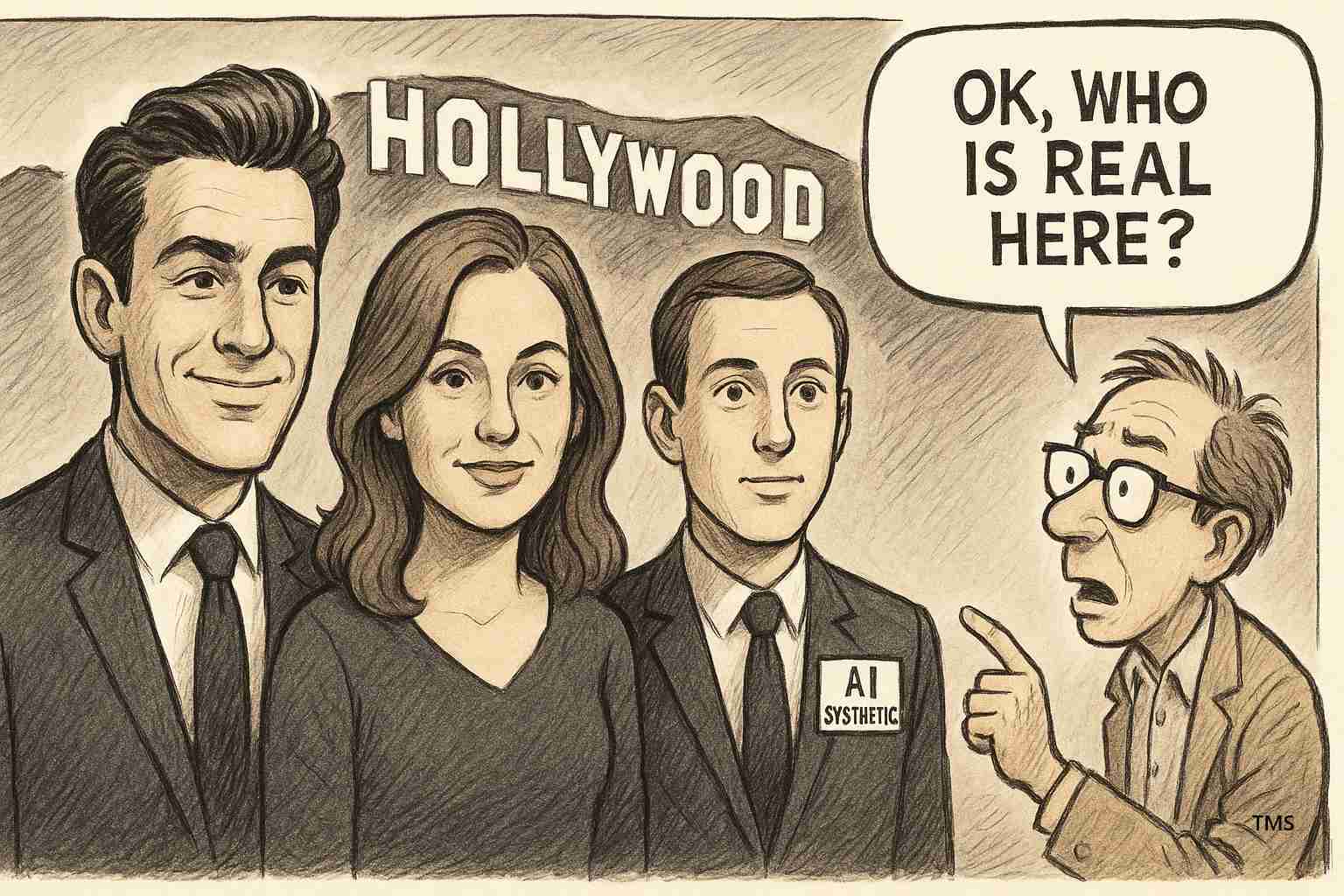
SAG-AFTRA condemns AI actress as “Tilly Norwood” goes viral, raising alarm over synthetic performers threat
SAG-AFTRA has condemned the viral AI-created actress “Tilly Norwood”, warning that synthetic performers threaten actors’ job security and creative livelihoods, now urging immediate industry talks on legal, ethical and regulatory protections for human talent.
Key takeaways
- Viral AI performer: A generative-AI created “actress,” Tilly Norwood, went viral in late September and early October 2025, sparking industry attention and controversy.
- Union alarm: SAG-AFTRA called synthetic performers a “direct threat” to actors’ jobs and demanded urgent talks with studios, agencies and platforms.
- Legal gap: Existing post‑2023 strike protections cover AI uses of real performers’ likenesses, but fully synthetic actors raise new IP, labor and disclosure questions.
- Local impact: Regions such as Redding, California, could face economic and cultural consequences if synthetic talent reduces on-location shoots and local hiring.
How the Tilly Norwood controversy unfolded
The AI-created performer known as Tilly Norwood surfaced online and quickly drew attention for her hyper-realistic appearance and for claims that talent agencies had expressed interest in representing the persona. Creators said synthetic actors can be customized, work around the clock and never age — advantages they touted as cost- and scheduling-saving measures for productions.
Industry reporting indicated some talent agencies were evaluating digital talent and virtual influencers as new business opportunities. The production company’s pitch that agencies were interested in signing Tilly Norwood accelerated concerns that virtual performers could compete for roles, brand deals and endorsements previously reserved for living actors. (Reporting compiled from industry outlets and union statements.)
SAG-AFTRA’s response and union concerns
SAG-AFTRA publicly condemned the promotion of fully synthetic performers, calling the development a
“direct threat”
to professional actors’ livelihoods.
The union highlighted protections won during the 2023 Hollywood strikes, which require studios to obtain consent and compensate members when their likenesses or voices are used via AI. However, Tilly Norwood is not modeled on any single human performer, creating a legal and ethical grey area: who, if anyone, has rights to an AI-created likeness and how should labor protections be applied?
Union officials demanded immediate meetings with studios, talent agencies and platforms to explore legal strategies, updated contract language and regulatory responses to prevent displacement of actors in film, TV, advertising and endorsements.
What talent agencies and production companies say
Some agencies reportedly see digital talent as a potential revenue stream — from brand partnerships and social-media content to licensing and streaming projects. Agency executives were said to be weighing representation of virtual performers for advertising and promotional work.
The production company behind Tilly Norwood defended its work, arguing synthetic performers expand creative possibilities, reduce scheduling conflicts and lower production costs. Industry critics countered that these efficiencies risk eroding wages, bargaining power and the cultural value of human performance.
Legal and regulatory questions
Current post‑strike agreements address AI replication of real performers’ likenesses and voices, but synthetic performers not based on actual people fall outside those safeguards. This gap raises questions about intellectual property, labor law, contractual consent and consumer disclosure.
Legal experts and union leaders have proposed several possible measures: transparency rules requiring producers to disclose AI use; new licensing or royalty systems for synthetic talent; and contract language protecting work opportunities for human actors. Industry groups may pursue collective bargaining or litigation to limit unregulated adoption of AI performers.
Industry reaction and cultural debate
The episode has provoked debate across the industry and culture. Many actors and commentators stressed that human lived experience and emotional truth are central to performance and cannot be replicated by algorithms. Supporters maintain that AI can enable new storytelling forms and useful applications in advertising and virtual experiences.
Some agencies responded cautiously, clarifying they were exploring digital talent strategically and would consult with SAG-AFTRA and other stakeholders before signing or promoting fully synthetic performers.
Why this matters for the future of film and TV
If studios broadly adopt synthetic performers, casting norms and employment patterns could shift substantially: fewer on-location shoots, reduced hiring of background performers and potential concentration of creative control within technology-owning companies. Audiences’ connections to characters and questions of authenticity and accountability would also be affected.
SAG-AFTRA’s stance emphasizes both practical labor concerns — protecting jobs and wages — and cultural values: defending the role of human creativity and ensuring benefits of productivity gains are shared, rather than concentrated.
Implications for Redding, California
Economic impact: Redding’s local economy, reliant on service industries, small production firms and regional shoots, could see fewer short-term jobs for crews, extras and vendors if synthetic performers reduce on-location production.
Political consequences: Local leaders may face pressure to back state or federal measures requiring AI transparency or to support retraining programs to protect workers from technological displacement.
Social and cultural effects: Community theater groups, school drama programs and local performers may encounter reduced opportunities, undermining local cultural life and arts education.
Practical applications: Local advertisers and media buyers might consider lower-cost synthetic talent for promotions, which could shrink local spending tied to human performers. Local film commissions may pursue incentives or policy guidance to preserve regional production jobs.
Sources and further reading
For more on union protections and AI in entertainment consult SAG-AFTRA’s press pages and recent industry analyses at the outlets listed above.