
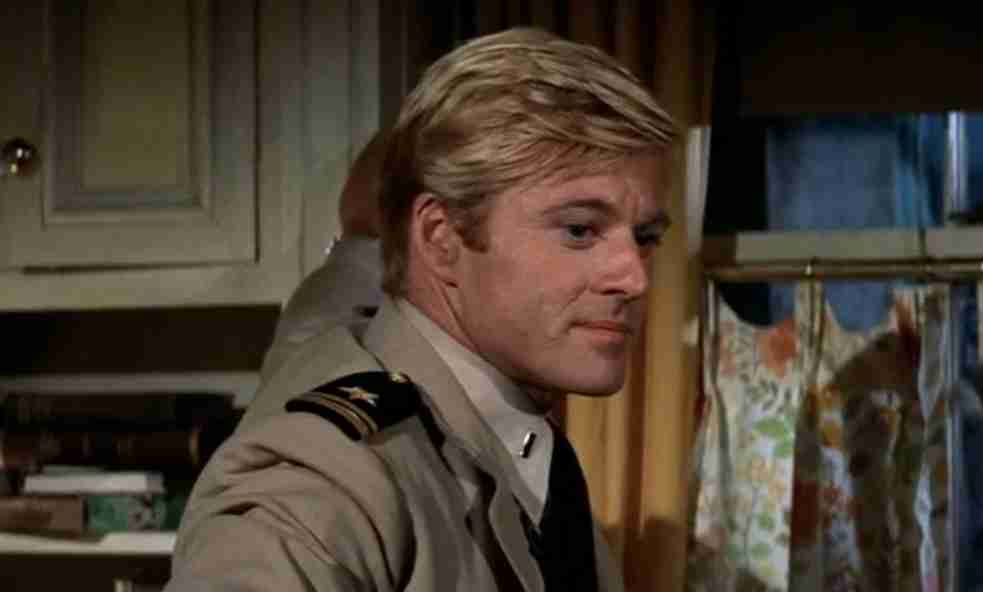
Robert Redford dies at 89: Charismatic star and Oscar-winning director reshaped American film
Robert Redford died on September 16, 2025, at his Sundance, Utah home at age 89, leaving a six-decade legacy as a charismatic leading man, Oscar-winning director and founder of the Sundance Institute, and advocate for independent film.
- Legendary career: Iconic roles in films such as Butch Cassidy and the Sundance Kid and The Sting made Redford a defining American leading man.
- Director and mentor: Won the Academy Award for Best Director for Ordinary People (1980) and later directed acclaimed films including A River Runs Through It and Quiz Show.
- Sundance legacy: Founder of the Sundance Institute and the Sundance Film Festival, a major platform for independent filmmakers.
- Enduring honors: Recipient of BAFTA recognition, multiple Golden Globes, the SAG Life Achievement Award, Kennedy Center Honors and the Presidential Medal of Freedom.
Death and confirmation
Robert Redford died in his sleep on September 16, 2025, at his Sundance, Utah home, surrounded by loved ones, his publicist confirmed (ABC News; CBS News).
Acting career and screen persona
Rising from modest beginnings, Redford became one of the most recognizable faces in American film. He first gained major attention in the late 1960s and early 1970s with leading roles that leveraged his charm, rugged looks and quiet, thoughtful presence.
He is most remembered for roles including Butch Cassidy and the Sundance Kid, The Sting, Jeremiah Johnson, All the President’s Men, The Way We Were and The Natural (see Wikipedia; ABC News).
Directing and awards
Transitioning behind the camera, Redford earned critical acclaim and industry respect. He won the Academy Award for Best Director for Ordinary People (1980) and later directed celebrated films such as A River Runs Through It (1992) and Quiz Show (1994), films praised for restraint and moral inquiry (ABC News).
Honors accumulated over decades include BAFTA recognition, five Golden Globes, the Screen Actors Guild Life Achievement Award (1996), Kennedy Center Honors (2005), the Presidential Medal of Freedom (2016) and an Honorary César (2019) (see Wikipedia; ABC News).
Sundance Film Festival founder and the independent film movement
Perhaps Redford’s most enduring contribution was institutional. He founded the Sundance Institute and helped build the Sundance Film Festival into the preeminent U.S. showcase for independent film, transforming a small retreat into a year-round engine for discovering new storytellers (Los Angeles Times).
The festival reshaped the economics of American film, created careers and offered a counterpoint to Hollywood’s commercial machine by championing artistic risk and regional filmmaking.
Final years and passing
Redford continued to work into his 80s, delivering a lauded solo performance in All Is Lost (2013) and appearing as a major villain in Captain America: The Winter Soldier (2014), which introduced him to a new generation (Wikipedia).
He retired from regular filmmaking but remained active in festivals and film circles. His family requested privacy after his death (CBS News; ABC News).
Tributes from peers and political leaders
News of Redford’s death prompted widespread tributes. Actors and directors praised his artistry and mentorship; Barbra Streisand called him “one of the finest actors ever,” while contemporaries such as Meryl Streep, Jane Fonda and Martin Scorsese acknowledged both his screen work and his institutional leadership (CBS News).
“One of the finest actors ever,” — Barbra Streisand on Robert Redford
Political figures from across the spectrum, including former President Barack Obama, Hillary Clinton and President Donald Trump, offered condolences, highlighting Redford’s broad cultural footprint (Wikipedia).
Robert Redford film legacy: what endures
Redford’s legacy is twofold: as an actor he helped define a modern American leading man who balanced commerce and artistry; as a director and festival founder he altered industry structure by elevating independent voices. His films and institutions continue to shape careers and genres (ABC News; Los Angeles Times).
Implications for Redding, California
Economic impact
Tourism and local businesses: Redford’s passing may spark renewed interest in his career and destinations tied to his legacy, especially Sundance, Utah. Redding-area theaters and tour operators could see increased attendance for retrospectives and special screenings.
Arts funding and nonprofit support: Redford’s model of arts philanthropy highlights public-private investment opportunities; local arts groups could leverage his example when applying for grants or soliciting donors (Los Angeles Times).
Political consequences
Local discourse: Redford’s association with progressive causes may briefly surface conversations about arts and environmental policy in the Redding area, even while many focus on his cultural and economic contributions.
Policy attention: Advocates may cite Redford’s indie-film infrastructure when arguing for modest tax credits or community programs to develop regional film talent.
Social effects
Community programming: Libraries, schools and colleges might schedule screenings and discussions of Redford’s films to teach film history, acting craft and civic themes.
Outdoors and conservation: Redford’s longtime affinity for the outdoors could help local conservation groups draw attention to preservation efforts and outdoor education programs.
Cultural relevance
Redford’s model—using fame to create institutions that support new talent—may inspire local storytellers in Redding to pursue regional filmmaking and documentary projects, reinforcing independent film as a pathway to national relevance.
Practical applications for residents
How people can participate: Attend local screenings, support film and conservation nonprofits, or join community discussions. Schools may incorporate his films into curricula to explore narrative and civic themes.
Opportunities for creators: Independent filmmakers in the Redding area can use Redford’s approach—focus on local stories, cost-effective production and partnerships with civic institutions—when seeking funding or community backing.



