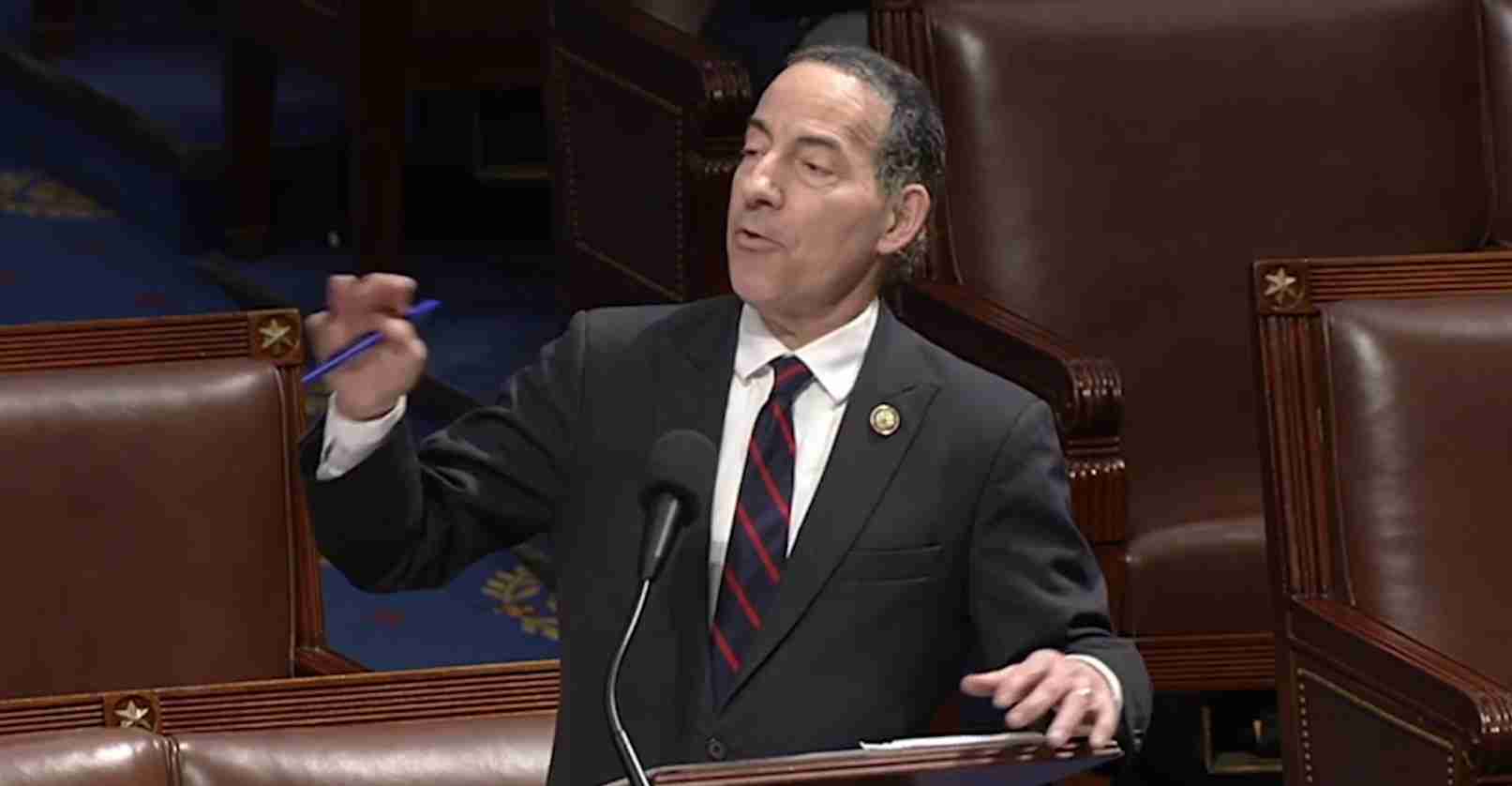
House Democrat Jamie Raskin attacked for “sick” defense of colleague after Stacey Plaskett’s Jeffrey Epstein text messages surface
Rep. Jamie Raskin was criticized after defending Rep. Stacey Plaskett, who exchanged texts with Jeffrey Epstein during a 2019 House hearing; Republicans sought censure, sparking debate over ethics, optics and committee assignments, and calls for an Ethics Committee review.
- Newly released texts show Plaskett exchanged both personal and professional messages with Jeffrey Epstein during a Feb. 27, 2019 House Oversight hearing.
- Censure effort led by Rep. Ralph Norman accused Plaskett of “inappropriate coordination” with Epstein but ultimately failed.
- Raskin’s defense called the censure a distraction and urged an Ethics Committee review; critics called his remarks “sick” and partisan.
- Local implications suggest the episode could affect voter trust and spur calls for stronger ethics oversight, including in Redding, California.
Background: the texts and the hearing
On Feb. 27, 2019, during a House Oversight Committee hearing in which Michael Cohen testified, records later revealed that Rep. Stacey Plaskett exchanged multiple text messages with Jeffrey Epstein. The messages ranged from personal notes about attire to requests for advice about questioning the witness. Reporting by media outlets including Notus and Fox News detailed both the clothing-related exchanges and the professional queries during the hearing.
Republican response and the censure effort
Republican lawmakers, led by Rep. Ralph Norman (R‑S.C.), introduced a resolution to censure Plaskett for what sponsors described as “inappropriate coordination with convicted sex offender Jeffrey Epstein.” The censure text aimed to hold lawmakers to high ethical standards and sought penalties including potential removal from committee assignments.
Plaskett’s public defense
Plaskett has maintained that she treated Epstein as a constituent at the time and said the messages reflected a mix of casual and professional contact. She denied any improper influence or illegal conduct, arguing that the exchanges alone do not constitute wrongdoing.
Raskin defends Plaskett: floor remarks and pushback
On the House floor, Rep. Jamie Raskin (D‑Md.) defended Plaskett, calling the censure bid a partisan attempt to “distract and divert attention” from other stories tying public figures to Epstein. Raskin urged caution, emphasized that mere contact does not equal wrongdoing, and suggested referring the matter to the Ethics Committee for review.
“The censure bid is intended to distract and divert attention,” Raskin said, urging formal review rather than immediate punishment.
Raskin’s remarks prompted sharp criticism from conservative commentators and some reporters who labeled the defense “dishonest” or “sick”, arguing it minimized the seriousness of Plaskett’s interactions with Epstein. Critics also highlighted that Raskin once taught Plaskett in law school, raising questions about potential partiality.
Critics’ claims about Plaskett’s ties to Epstein
Independent reporting cited Plaskett’s prior roles with the Virgin Islands Economic Development Authority and other local positions. Critics say those roles helped create policies and tax incentives that benefited Epstein over time, and some reporting suggests campaign connections to Epstein associates. Plaskett and allies dispute these associations, but investigative accounts by journalists such as Lee Fang have argued the relationship appears closer than casual constituent contact.
Outcome: censure vote and committee status
When the censure resolution reached the House floor, it failed after some Republicans joined Democrats to block the measure. As a result, Plaskett retained her seat on the House Intelligence Committee, reflecting divisions within the GOP over whether the evidence warranted formal punishment.
Where the record stands now
The debate centers on ethics, optics and standards for interaction with convicted or powerful figures. Republicans point to documented text messages and Plaskett’s past local roles; Democrats and moderates caution against guilt by association and emphasize the need for formal investigations. Video of Raskin’s floor remarks is publicly available for review.
Implications for Redding, California
Economic trust and local institutions
Redding voters who prioritize honest government and fiscal responsibility may see trust in institutions erode when lawmakers are shown communicating with a convicted sex offender. Local officials and grant-dependent organizations could face heightened scrutiny and calls for transparency.
Political consequences for conservatives
The episode may energize conservative calls for stricter ethics and clearer standards, and could become a talking point in local campaigns focused on accountability and perceived double standards in Washington.
Rule of law and public safety
Given the criminal nature of the Epstein scandal, communities that emphasize law-and-order may press for consistent enforcement of ethics rules and reforms to oversight of influential networks.
Practical civic action
Residents concerned about congressional conduct can contact representatives demanding transparency, request timely Ethics Committee reviews, and organize forums or town halls to discuss how federal ethics affect Northern California communities.
Sources and further reading
- Fox News: House Dem slammed for ‘sick’ defense of colleague caught texting Epstein during 2019 hearing
- Notus: Stacey Plaskett Republican censure Jeffrey Epstein texts hearing
- Fox News video of coverage
- Raskin floor remarks (YouTube)
- Axios: Stacey Plaskett remains on House Intelligence Committee (coverage of outcome)