
Even one monthly binge may triple risk of serious liver scarring, USC study finds
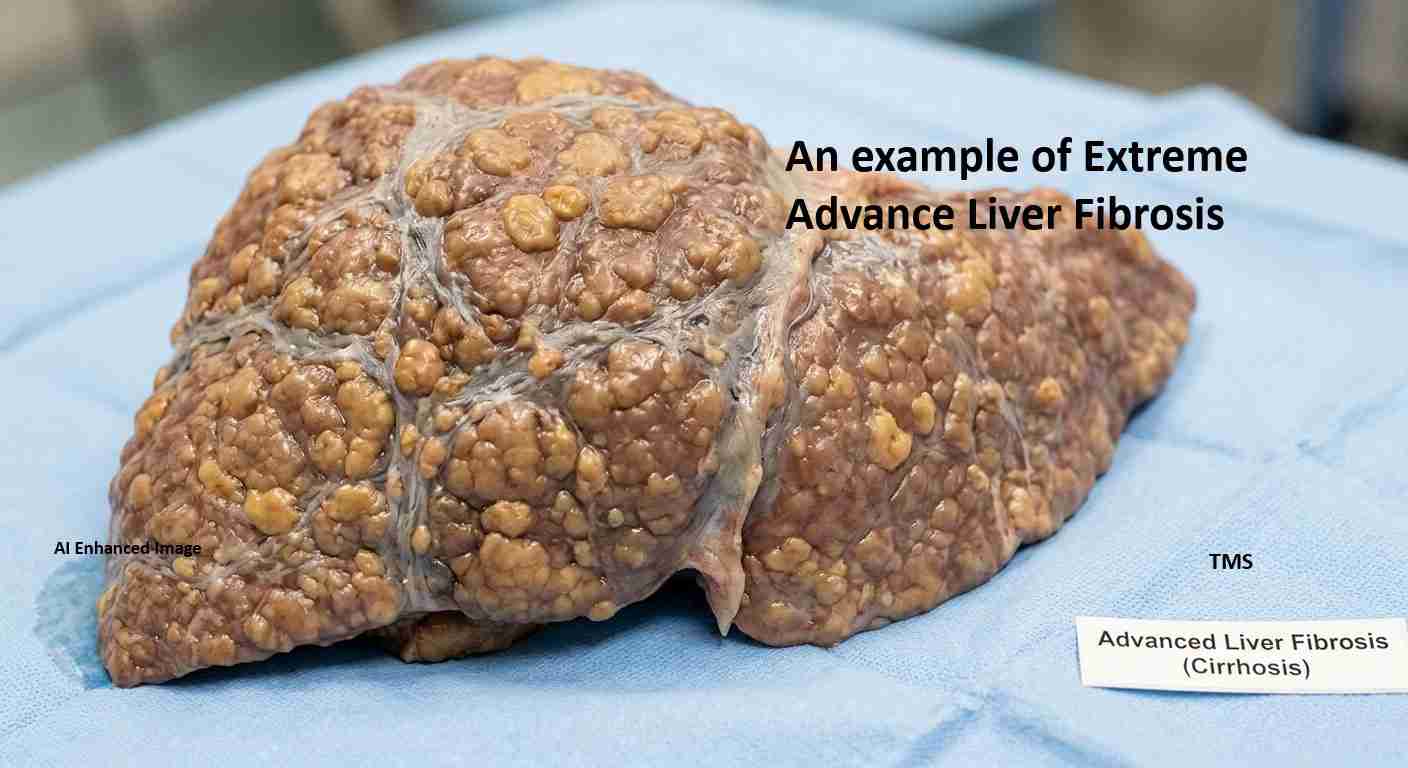
A USC study finds that occasional heavy drinking — at least one monthly binge — triples the odds of advanced liver fibrosis in adults with metabolic dysfunction‑associated steatotic liver disease (MASLD), based on analysis of more than 8,000 U.S. adults.
- One monthly binge (≥4 drinks women, ≥5 drinks men) was linked to roughly three times the odds of advanced fibrosis in people with MASLD, per the USC Keck press release.
- The study emphasizes that drinking pattern — not just total weekly intake — strongly affects progression of fatty liver disease.
- MASLD affects an estimated 25%–30% of U.S. adults and is tied to obesity, type 2 diabetes, high blood pressure and high cholesterol.
How the study was done
The research team led by hepatologist Brian P. Lee, MD, analyzed six years of National Health and Nutrition Examination Survey (NHANES) data (2017–2023) to identify adults with MASLD and compare drinking patterns. Investigators used self-reported alcohol use to group respondents who reported occasional heavy drinking versus those with similar total intake spread more evenly over time. The analysis found a strong association between episodic heavy drinking and advanced liver fibrosis (extensive scarring), even when weekly consumption was comparable. See the USC Keck press release and the USC Keck video with Brian P. Lee, MD for more details.
Why the pattern matters: what other research shows
This paper aligns with a larger evidence base indicating that episodic heavy drinking can cause biological changes that accelerate inflammation and scarring in fatty liver disease. Key mechanisms and supporting studies include:
- Laboratory and human studies show repeated binge episodes raise liver inflammation, enzymes and fat, producing early steatosis and inflammatory changes not seen with evenly distributed alcohol. See the UCSF report.
- Binge drinking can damage the gut lining and allow bacterial toxins into circulation, triggering liver inflammation via the gut–liver axis — a pathway recently described in the Harvard Gazette report.
- Mechanistic reviews link episodic heavy intake to oxidative stress, stellate cell activation and worsened steatosis/fibrosis: see the mechanistic review and broader epidemiologic synthesis at PMC.
What the lead author says
“Patients often ask how much they can drink,” said Brian P. Lee, MD. “In the liver world, we’re used to thinking about this as an average — for example, we categorize patients based on alcohol consumption per week. The pattern matters very much, and episodic heavy drinking is an incredibly common pattern right now among U.S. adults.” — Brian P. Lee, MD
Study limits and caveats
The investigators and external experts note important caveats: this is an observational analysis and cannot prove causation. It relied on self-reported drinking, which tends to be underreported. The strongest signals were among people with MASLD and may not generalize to all groups. Still, the observational association is biologically plausible given experimental and mechanistic studies linking episodic heavy intake to pathways that promote fibrosis (mechanistic review).
Why this matters for people with MASLD
MASLD already predisposes the liver to inflammation and scarring. The new findings suggest that adding occasional heavy drinking can accelerate progression to advanced fibrosis — a stage that often requires intensified monitoring, specialized care and, in some cases, transplant evaluation. Early detection via noninvasive tests can change clinical management and outcomes.
Advice doctors are giving now
Clinicians recommend that patients with metabolic risk factors — obesity, type 2 diabetes, high blood pressure or high cholesterol — discuss screening and safe drinking limits with their primary care doctor or a liver specialist. Noninvasive fibrosis tests are available and can guide lifestyle and medical decisions. The practical message: Avoid episodic heavy drinking if you have metabolic risk for fatty liver.
Implications for Redding, California
Economic impact: Advanced liver disease can raise medical costs, reduce workforce participation and strain household incomes, especially for local workers in construction, agriculture and seasonal industries common around Redding.
Healthcare access: Specialized liver and transplant services are concentrated in larger urban centers, meaning residents may face travel, time and expense barriers for advanced care and evaluation.
Policy and community response: For local audiences favoring personal responsibility, the study suggests targeted prevention: community education, employer wellness programs, school-based awareness and expanded screening at local clinics rather than broad population mandates.
Social norms: Drinking often accompanies social life in the Redding area — from weekend barbecues to river outings. The study highlights that even a single heavy session can pose outsized risk for people with metabolic disease; community leaders and families can encourage safer patterns while respecting personal choice.
Practical steps for residents
- Screening: If you have obesity, diabetes, high blood pressure or high cholesterol, ask your doctor about liver screening. Noninvasive tests can detect fibrosis early.
- Avoid episodic heavy drinking: If you drink, spread drinks over time rather than consuming many in a single session.
- Workplace and clinic action: Employers and local clinics can offer health checks and counseling that emphasize metabolic health and responsible drinking.
- Get help: If you’re worried about your drinking pattern, primary care clinicians can provide referrals for counseling and treatment.
Sources and further reading
Key sources cited in this report:
- USC Keck Medicine press release
- USC Keck video with Brian P. Lee, MD
- ScitechDaily summary
- UCSF coverage on binge drinking and liver damage
- Mechanistic review on alcohol and liver disease (PMC)
- Epidemiologic review linking drinking patterns and cirrhosis risk (PMC)
- Harvard Gazette report on binge drinking and gut damage



