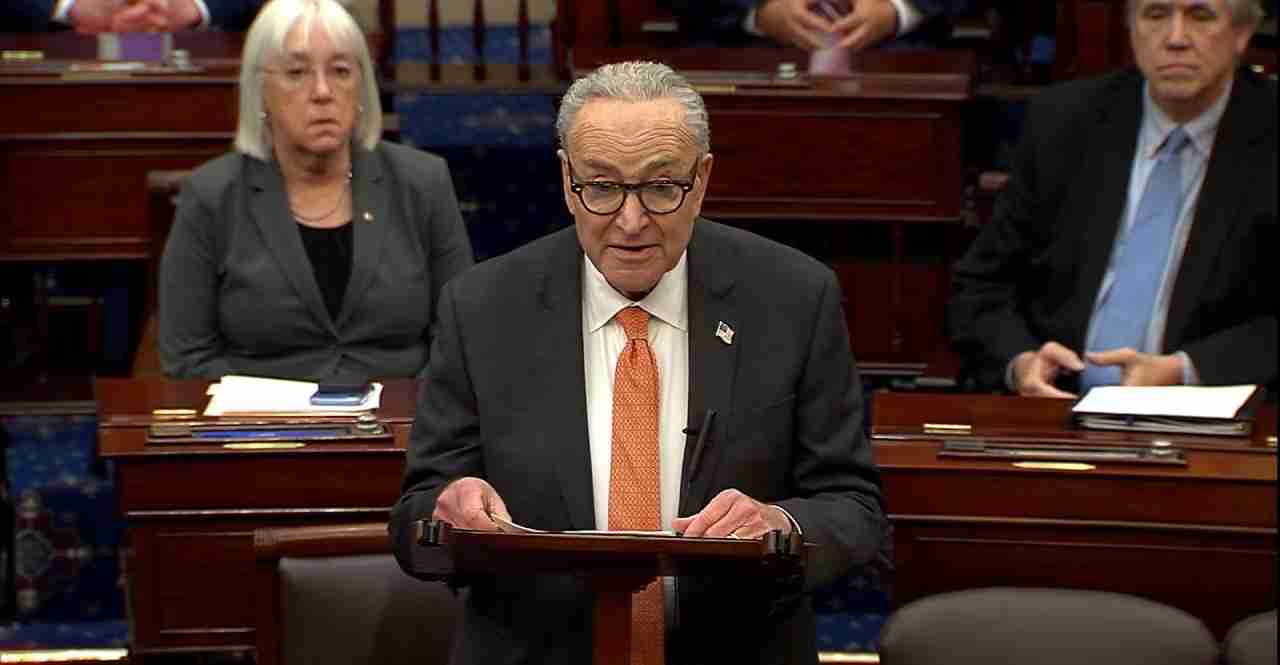
Schumer Proposes One-Year Extension of Enhanced ACA Subsidies to Head Off Shutdown and Premium Spikes
Senate Majority Leader Chuck Schumer unveiled a one-year proposal to extend enhanced Affordable Care Act premium tax credits through 2026, aiming to prevent sharp premium spikes, stabilize marketplaces and avert a government funding clash that could trigger a shutdown.
- Short-term fix: Schumer seeks a narrow, one-year extension of enhanced ACA premium tax credits to avoid large premium increases in 2026; he urged Republicans to “just say yes.” (Schumer press materials)
- GOP pushback: House conservatives are attaching riders and broader spending cuts to appropriations that could scale back or end enhanced subsidies (Politico, The Associated Press).
- Consumer impact: Nonpartisan modeling suggests average annual net premiums for subsidized enrollees could jump from about $888 to roughly $1,904 in 2026 if enhanced credits lapse (Kaiser Family Foundation, Congressional Budget Office).
What Schumer is proposing — and why
Senate Majority Leader Schumer framed the measure as a focused, short-term fix to keep the government open and preserve marketplace stability. The plan would continue the enhanced premium tax credits enacted in the American Rescue Plan Act of 2021 and extended through subsequent short-term actions. Democrats describe the move as a pragmatic way to shield families from sudden cost increases and avoid destabilizing insurance markets.
“This is not a fight about ideology,” Schumer said in a floor statement; “it’s about keeping Americans covered and protecting their wallets.” (Schumer press materials)
Republican objections and the budget fight
House Republicans argue the expanded subsidies amount to an ongoing entitlement created by Democrats and that extending them without offsets encourages unchecked spending. GOP leaders have advanced spending bills that include conservative policy riders and, in some drafts, would roll back or end the enhanced credits. They stress fiscal restraint to rein in deficits and spending growth, turning subsidies into a bargaining chip in appropriations talks ahead of a possible Government shutdown in 2025. Coverage and reporting on those GOP demands appear in Politico and The Washington Post.
How big would the hit be if subsidies lapse?
Nonpartisan health policy groups and budget offices modeled the effects of letting enhanced credits expire; their estimates converge on a stark conclusion: many marketplace enrollees could face steep premium increases in 2026.
- Premium shock: Analyses from the Kaiser Family Foundation and the Congressional Budget Office show average annual net premiums for subsidized enrollees could rise from about $888 to roughly $1,904 in 2026 — more than double.
- Coverage losses: Higher premiums would likely push some people to drop coverage; insurers might exit unprofitable markets or raise rates further, increasing marketplace instability and straining providers. Reporting from The Associated Press and The New York Times has highlighted these risks.
Who would be hit hardest?
Lower- and middle-income households that rely on subsidies to make plans affordable would feel the greatest impact. Many enrollees who now pay modest monthly amounts because of enhanced credits could find plans unaffordable if credits lapse. Modeling indicates rural areas, certain regions and older age groups may be especially vulnerable where insurer competition is thin.
What Schumer’s plan does not address
The one-year extension targets only ACA marketplace premium tax credits. Important limits remain:
- Undocumented immigrants: Federal law still bars undocumented immigrants from Marketplace subsidies and most federal coverage programs; Schumer’s proposal does not change that. Some states, including California, use state funds to cover certain undocumented residents — see California programs information and analyses from the Kaiser Family Foundation.
- Long-term solvency: The extension is temporary. Democrats call it a bridge to a durable solution; Republicans warn short-term fixes defer a larger fiscal reckoning.
Sources and reporting
This article draws on public statements from Senate Democratic leadership and reporting and modeling from nonpartisan groups. Key sources include the office of Senator Chuck Schumer (Schumer press materials), the Kaiser Family Foundation, the Congressional Budget Office, and national reporting from The Associated Press, Politico, The New York Times, and The Washington Post.
Implications for Redding, California
Local economies and households: Many Redding residents buy coverage through the ACA marketplace or work for small firms affected by regional insurance costs. If the enhanced subsidies lapse and premiums jump as modeled for 2026, families could see annual out-of-pocket premium costs rise sharply, squeezing budgets in a community with median incomes below state averages.
Economic impact
- Premiums and household budgets: Projected premium increases could significantly raise annual out-of-pocket costs for local families and small employers.
- Local hospitals and clinics: Higher uninsured rates and coverage churn may increase uncompensated care at Mercy Medical Center Redding and other providers, worsening financial strains and possibly reducing services.
Political consequences
- Voter response: Messaging about fiscal responsibility may resonate, but immediate premium spikes could produce political blowback against incumbents who support cuts.
- Local leaders as mediators: City and county officials may push for short-term protections while seeking longer-term fiscal solutions that appeal across party lines.
Social effects
- Access to care: Patients with chronic conditions could delay or forgo treatment, increasing emergency care and harming public health outcomes in Shasta County.
- Employment and small businesses: Employers that sponsor coverage or whose employees rely on Marketplace plans may face retention and recruitment challenges if workers demand higher pay or better benefits.
Cultural relevance and practical applications
Redding residents value both self-reliance and fiscal prudence. Framing the debate around practical trade-offs — short-term relief versus long-term fiscal commitments — will influence local responses. For many, a one-year extension may be acceptable if tied to clear steps toward fiscal responsibility and accountability.
What residents can do now
- Review Marketplace plans: Consumers should check eligibility and plan options in case subsidies change.
- Seek assistance: Local health navigators and county programs can help residents understand options and transitions; California state resources may provide additional information (California programs information).
- Follow congressional developments: Track negotiations and statements from both parties to anticipate changes that affect household costs and local providers.
For local leaders and voters in Redding, the coming congressional days will matter not just as a distant budget fight but as a direct test of how federal choices affect household costs, hospital finances and access to care in their community.