
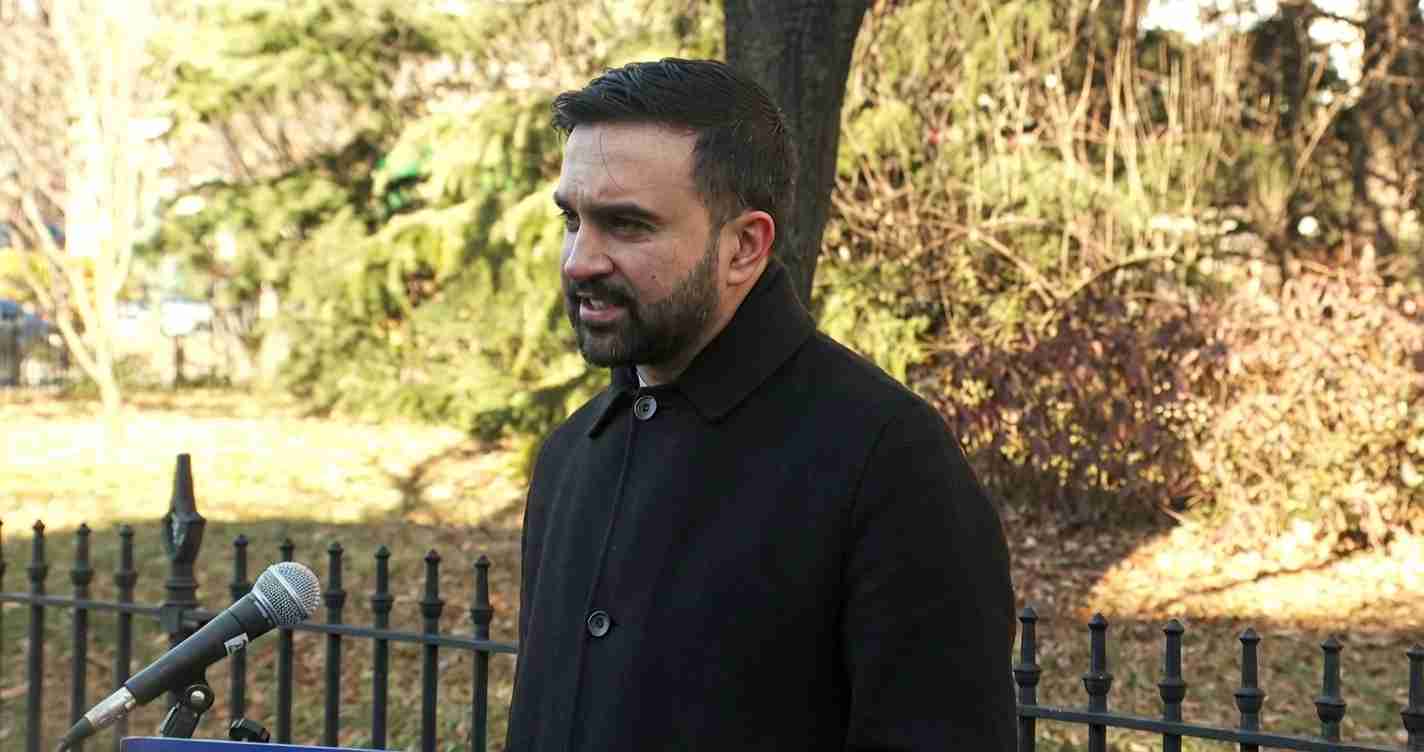
Mayor-elect Zohran Mamdani names Lillian Bonsignore FDNY commissioner; Elon Musk warns “people will die” in heated X post
New York City Mayor-elect Zohran Mamdani appointed 31-year FDNY veteran Lillian Bonsignore as Fire Commissioner on Dec. 23, 2025, a historic selection that drew criticism from Elon Musk over her operational firefighting experience, and supporters cite her EMS leadership.
Key takeaways
- Appointment: Zohran Mamdani named Lillian Bonsignore FDNY Commissioner on Dec. 23, 2025.
- Historic firsts: Second woman to lead FDNY, first openly gay commissioner and first with an EMS background.
- Controversy: Elon Musk posted on X that the choice risks lives, saying “people will die.”
- Focus: Mamdani emphasized response times, prevention, pay equity and a cautious transition through winter.
Bonsignore’s record: EMS leadership, crisis experience, and FDNY career
Lillian Bonsignore has spent her career inside the FDNY system. She joined the department in 1991, rose to deputy chief by 2009 and later became FDNY chief of EMS operations in 2019. Bonsignore led EMS through the COVID-19 pandemic, retired in 2022 and responded to the Sept. 11, 2001 attacks — experiences supporters highlight as foundational to leading the department.
Supporters point to her decades of service, crisis management and operational knowledge, noting that most FDNY calls are medical in nature and that her EMS expertise fits modern city needs. The mayor-elect said her background is relevant to improving response times, public education, prevention and pay equity for emergency workers. See the News 12 profile for more background.
What Elon Musk said and why it touched off debate
On Dec. 26, 2025, Elon Musk criticized the appointment on X, arguing the FDNY commissioner should have operational firefighting experience. Musk warned “people will die”, asserting that a lack of hands-on fire command could be dangerous. His post prompted immediate online debate and elevated the personnel choice into a national conversation about public safety qualifications. See a video capture of Musk’s post.
“Proven experience matters when lives are at stake,” Musk wrote, stirring replies from critics and supporters alike and forcing a broader discussion about operational credibility versus administrative and EMS leadership.
Operational firefighting experience vs. EMS and administrative leadership
The debate centers on what skills the modern fire commissioner needs. Traditionalists emphasize on-the-ground firefighting command to build trust and make split-second operational decisions. Proponents of an EMS-background leader point to data showing most FDNY calls are medical, arguing that coordination with hospitals, rapid medical response and large-scale logistics are increasingly central.
Practical questions remain:
- Who will handle operational chain-of-command decisions at large fires if the commissioner lacks front-line fire command experience?
- Who will set firefighter training standards and preserve frontline morale?
- Can an EMS-focused leader win the trust of rank-and-file firefighters?
Mayor-elect Mamdani’s defense and transition plans
Mamdani described the appointment as “historic” and defended Bonsignore’s candidacy based on decades in the department and her EMS leadership during the pandemic. He argued the choice will help modernize emergency response systems, targeting improvements in response time, prevention and pay equity.
To avoid disruption during winter weather, Mamdani will keep Javier Lojan as interim sanitation commissioner and Zachary Iscol as interim emergency management commissioner through snow season. No firm calendar was set for when Bonsignore will formally assume day-to-day control beyond a transition in the new year. (See the News 12 profile and the video capture of Musk’s post.)
Reactions from rank-and-file and stakeholders
Formal union comment was still developing as of publication. Social media and commentary split between advocates for administrative modernization and defenders of traditional operational experience. National voices amplified the debate, pushing it beyond city halls and into wider political conversation.
Bonsignore’s stated priorities: reduce response times, expand prevention and education, and address pay equity — goals supporters say her hands-on FDNY career and EMS leadership uniquely prepare her to pursue.
Implications for Redding, California
Economic impact
Redding depends on well-funded fire and emergency services because of wildfire risk. If national trends favor EMS-focused leadership, local officials may face pressure to rebalance budgets among firefighting crews, EMS staffing and equipment, and federal or state grant priorities could shift funding for training, wildland gear and ambulance services.
Political consequences
Redding’s conservative electorate often values technical firefighting experience. High-profile criticism — including Musk’s “people will die” remark — may resonate locally and complicate confirmations or budget hearings for nominees lacking direct firefighting backgrounds.
Social effects and cultural relevance
The debate could affect morale among first responders, deepen divides between firefighters and EMS crews, and influence public trust in leadership that prioritizes administrative credentials over boots-on-the-ground experience. Local media and town halls may amplify these concerns if similar appointments arise.
Practical applications for residents
- Training and hiring: Cross-training programs and joint exercises can help leaders understand both firefighting tactics and EMS demands.
- Response expectations: Watch how urban centers prioritize EMS versus fire response to inform local ambulance and wildfire staging plans.
- Budget priorities: Voters may be asked to support bonds or levies; debates over funding frontline firefighting vs. broader emergency medical infrastructure will intensify.
Reporting notes and sources
This report draws on public profiles and on-the-record social media posts: the News 12 profile of Lillian Bonsignore and a video capture of Elon Musk’s comments on X. Sources describe Bonsignore as a 31-year FDNY veteran with service beginning in 1991; reporting here preserves publicly available facts and profiles.


