
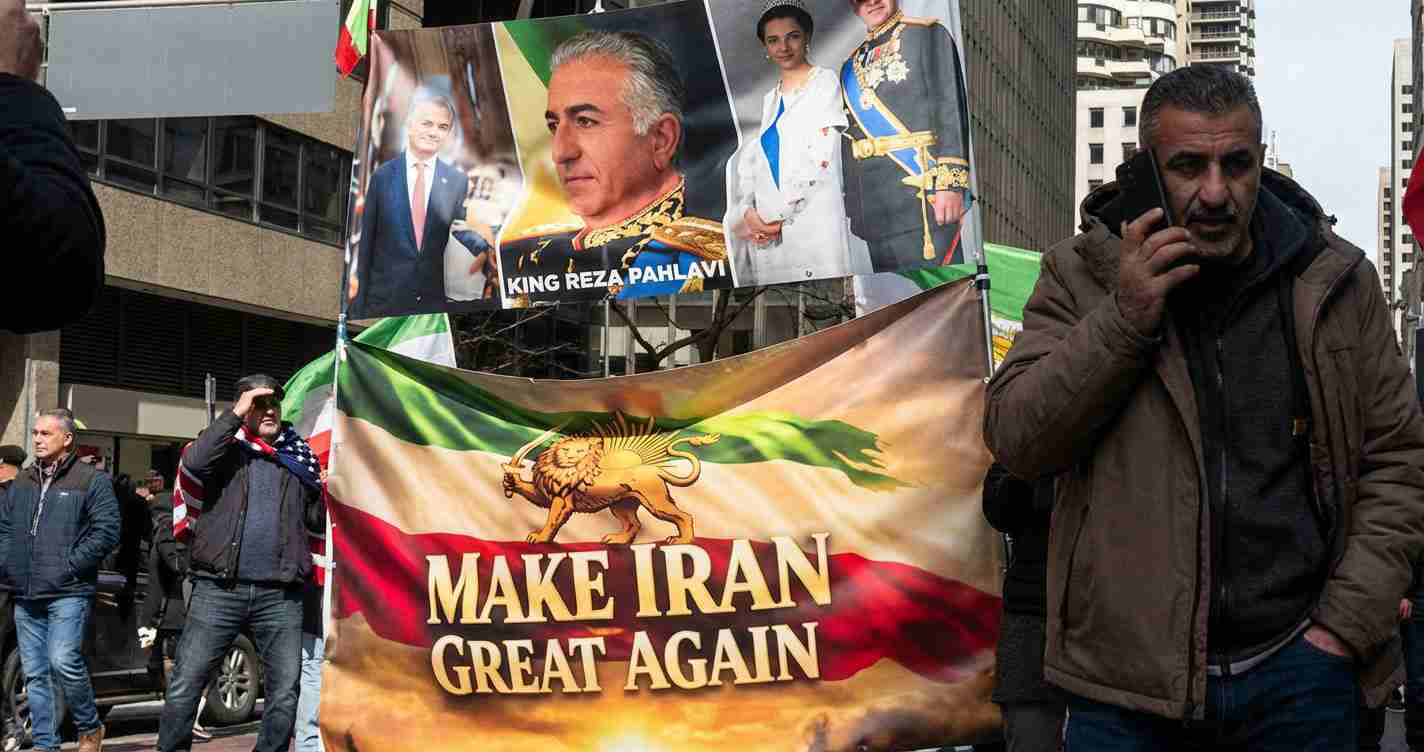
Hundreds of Iranian‑Americans Celebrate Khamenei’s Death in New York City; Lion and Sun Group Leads March
Hundreds of Iranian‑Americans marched through Manhattan Sunday to celebrate reports of Ayatollah Ali Khamenei’s death after U.S.-Israel strikes, waving pre‑1979 Persian flags and calling for a transitional government led by exiled Crown Prince Reza Pahlavi.
Key takeaways
- Manhattan march: Hundreds rallied to mark the reported killing of Ayatollah Ali Khamenei and senior Iranian officials after U.S.-Israel strikes.
- Organizers: The Lion and Sun group led the march, advocating for Reza Pahlavi and a transitional government in Iran.
- Symbols and solidarity: Demonstrators carried the pre‑1979 Persian flag, U.S. and Israeli flags, and honored protesters killed inside Iran.
- Divided reactions: The rally occurred amid counter‑demonstrations in New York and polarized reactions domestically and abroad.
March and symbolism
Organizers and participants presented the Manhattan gathering as both a celebration of Khamenei’s reported death and a show of solidarity with Iranians who oppose the regime. Protesters waved the pre‑1979 Persian flag — a symbol embraced by many opponents of the Islamic Republic — alongside American and Israeli flags to honor those killed in Iran’s recent crackdowns and press for political change.
Who is the Lion and Sun group?
The Lion and Sun group helped organize the march and publicly supports the return of Reza Pahlavi, the exiled heir to Iran’s former monarchy, to lead a transitional government until Iranians can determine their future. Organizers told reporters their aim is to replace the clerical regime with a government that restores civil liberties and democratic processes.
Voices from the march
Participants shared personal stories of persecution and loss. NYU student Foujan Gharib — who arrived in the U.S. last year — said she was hit by rubber bullets during protests over Mahsa Amini’s death and described the day as an emotional release:
“I was crying and dancing the whole day yesterday after 50 days of torture. They killed so many innocent lives.”
Manhattan resident Fariborz Aghili said the march honored both victims of the regime and the reported death of the supreme leader: “We are honoring all the people that were murdered by the Ayatollah regime 50 days ago and also celebrating the death of the Ayatollah.” Shadi Hosseini, who fled Iran in 1979 and whose relatives remain as members of the Baha’i faith, emphasized decades of suffering.
Support for U.S. action and concerns about American losses
Some marchers expressed gratitude for U.S. actions and leaders they felt supported Iranian dissidents; Iranian‑American Shawn Azzeam publicly thanked President Trump by name. Organizers and community leaders, however, acknowledged the cost of conflict. Riag Javid, head of the Persian American Parade, told attendees the deaths of three U.S. service members weighed heavily:
“It hurts. With all my heart I feel bad for them, but they are our heroes.”
h3 id=”h-context” class=”wp-block-heading”>Context: Protests inside Iran and a divided diaspora
The Manhattan march took place against sustained unrest inside Iran, where hundreds of thousands had protested, reportedly chanting “Death to Khamenei” and demanding change. Those demonstrations — some of the largest since 1979 — were met with force by authorities, creating both bold defiance and deep fear inside Iran. In the U.S., reactions split: while many Iranian‑Americans celebrated, groups such as the People’s Forum and the ANSWER Coalition organized counter‑demonstrations in New York urging an end to U.S. involvement.
Questions for policymakers and communities
The march raises challenging questions: How should the U.S. balance support for dissidents with respect for international norms and protection of service members? What nonmilitary steps can help Iranians facing repression without deepening foreign entanglements? How should local authorities manage demonstrations that both celebrate foreign regime change and express concern about civilian harm?
Implications for Redding, California
Economic impact: Though distant, the conflict could affect local gas prices and the broader economy, raising costs for commuters and businesses.
Political consequences: Redding’s conservative electorate may respond favorably to decisive national defense actions; the deaths of U.S. service members could prompt calls for clearer mission objectives.
Social effects: Local civic groups, faith communities, and immigrant support organizations may face calls to respond, host forums, or assist refugees fleeing persecution.
Cultural relevance and practical steps: Stories of Baha’i persecution and injured protesters may draw empathy; residents should monitor travel advisories, and local institutions might prepare educational sessions and support drives.
Sources and further reading
- CBS New York, “US strikes on Iran prompt New York City protest”
- The News & Sentinel, “Some celebrate in Iran after supreme leader’s death, but deep fear and uncertainty remain”
- AM New York, “Protests in New York after U.S.-Israel strikes on Iran”
Reporting and attribution
This article compiles on‑the‑ground interviews and coverage by Times Media Service and the outlets listed above. Reporting and attribution reflect those sources and direct quotes provided to reporters at the events.


