Newsom Warns Trump Is Eyeing an Unconstitutional “Third Term.” What That Means for Voters in Redding.
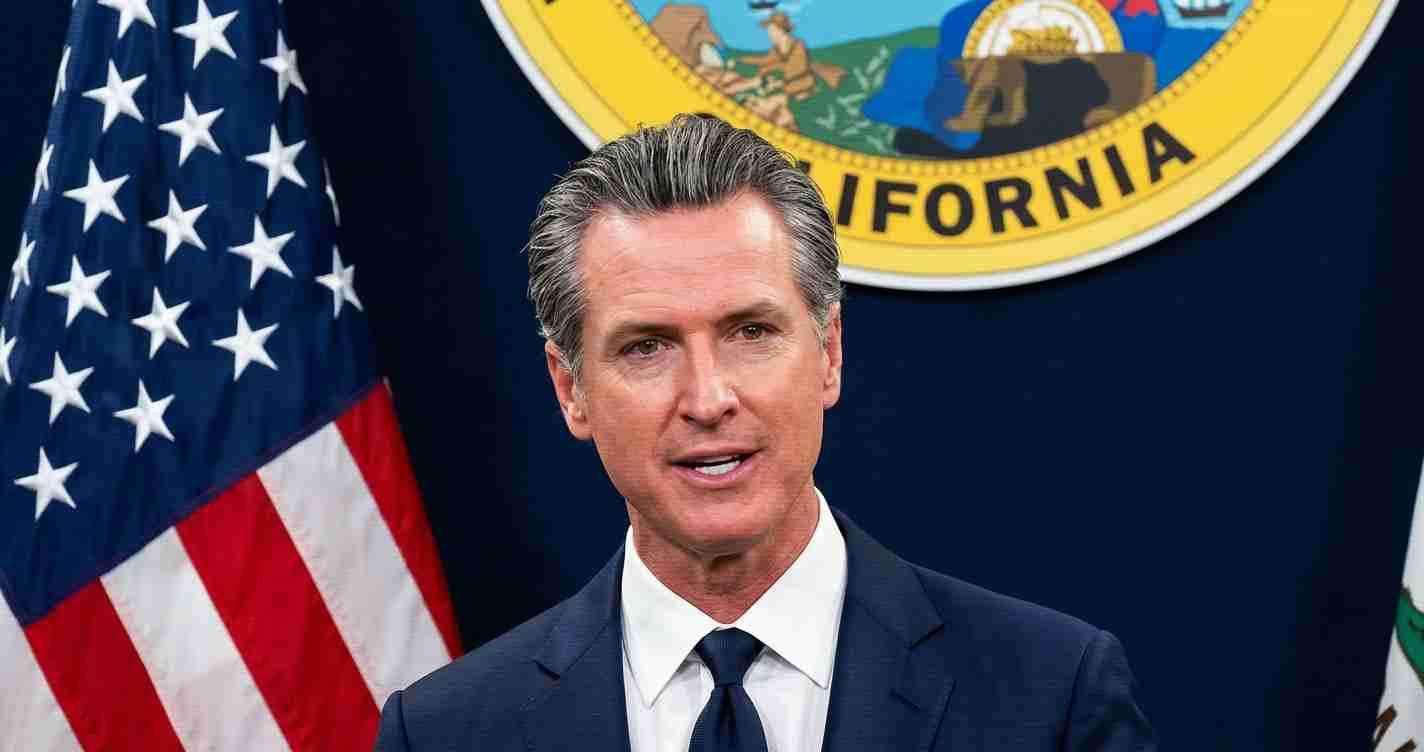
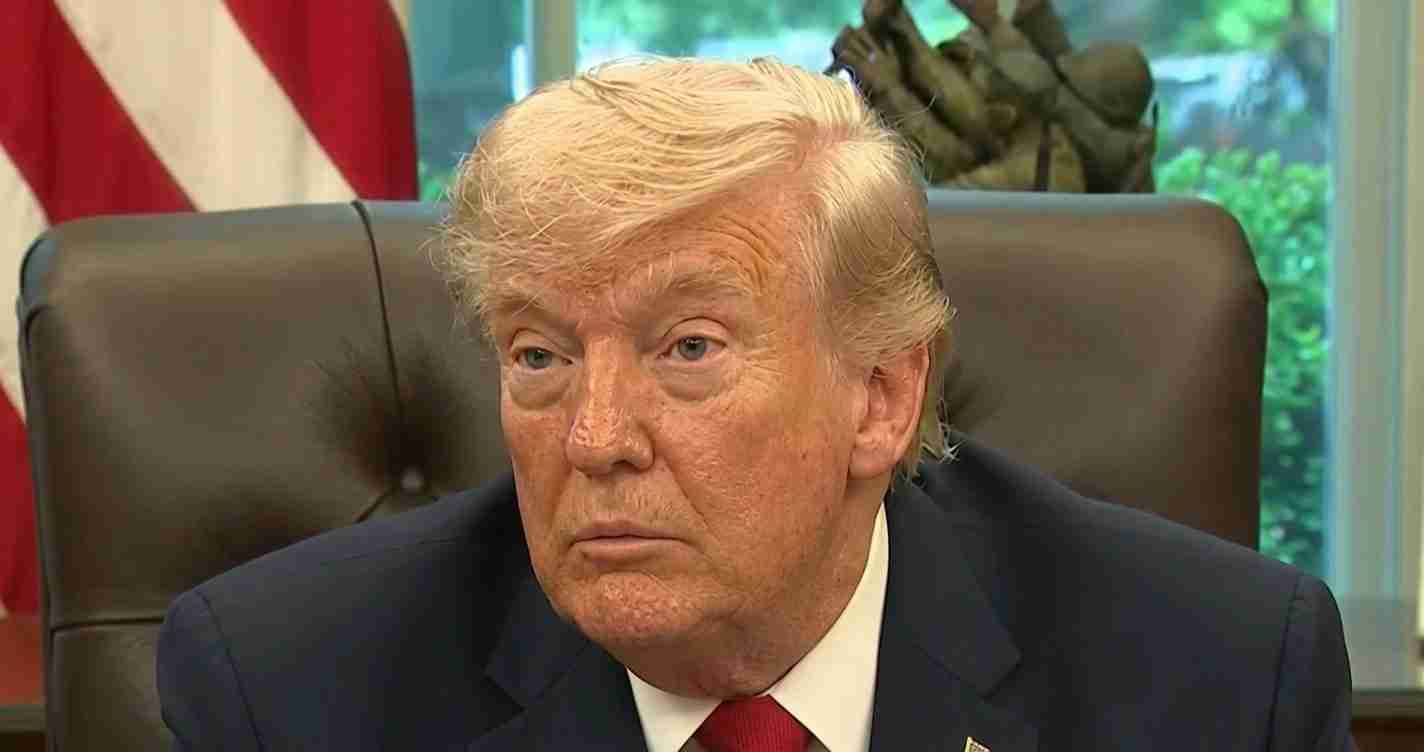
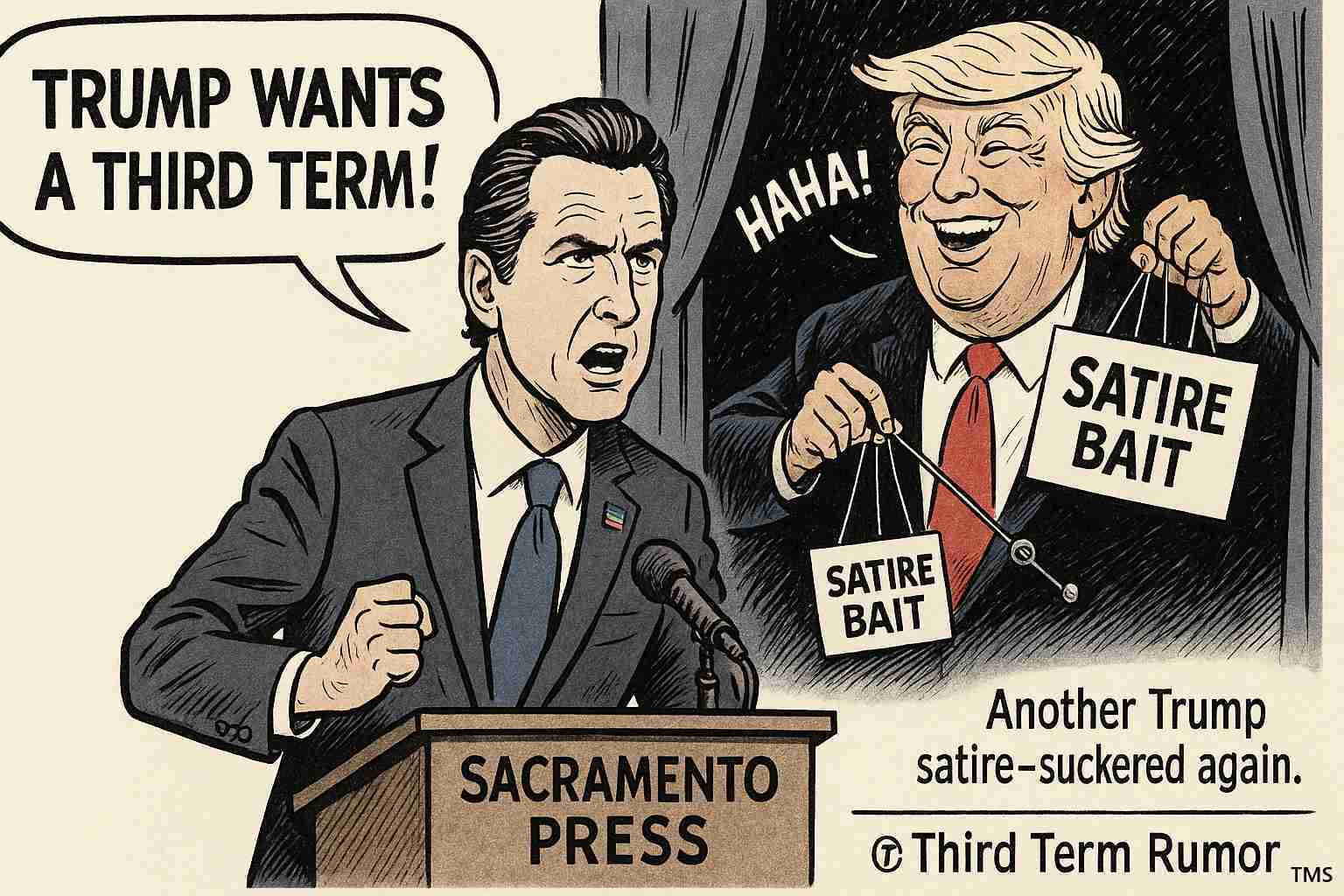
California Governor Gavin Newsom warns former President Donald Trump allegedly contemplated an unconstitutional “third term,” citing Oval Office remarks, supporters’ “Trump 2028” signals, and public rhetoric — a claim raising questions about democratic norms and the 22nd Amendment.
Key takeaways
- Newsom alleges Trump hinted at wanting a “third term” during an Oval Office meeting; reporting referenced by the San Francisco Chronicle.
- The Constitution’s 22nd Amendment limits presidents to two elected terms, so a legal third-term bid would require an unlikely constitutional amendment (San Francisco Chronicle).
- Newsom’s warnings are part reporting, part political alarm — amplified in outlets such as La Voce di New York and in video remarks (Newsom video).
Newsom’s allegation: what he says happened
What Newsom says: the governor told reporters that during a private Oval Office visit, Trump paused by a portrait of Franklin D. Roosevelt — the only president to serve more than two terms — and “went on and on about the third term,” Newsom said. He also cited supporters sending “Trump 2028” hats as evidence that backers expect another run (San Francisco Chronicle).
Pattern and warnings
At public appearances and interviews, Newsom has framed these moments as part of a broader pattern. He has warned that language and gestures from Trump and his allies show a willingness to ignore limits on executive power and democratic norms, a trend he says should alarm voters and lawmakers alike (video of Newsom’s remarks).
Trump’s response and public record
Trump’s public comments: Trump has downplayed plans for a third term, saying he “probably” won’t seek one — language characterized as inconsistent and open to interpretation. Observers note Trump often mixes hyperbole, theatricality, and provocative language; critics of Newsom say the governor may be reading rhetoric as literal intent (San Francisco Chronicle).
“The discrepancy between Trump’s style and Newsom’s reading of it is central to the debate.”
Legal reality: the 22nd Amendment and limits on power
Under current law, a president cannot be elected to a third full term. The 22nd Amendment limits the presidency to two elected terms, or a maximum of 10 years if someone assumed the office midterm and was then elected twice. Any talk of a “third term” remains hypothetical unless a constitutional amendment is passed — requiring two-thirds approval in both houses of Congress and ratification by three-fourths of state legislatures (San Francisco Chronicle).
Most experts view Newsom’s warnings as political rhetoric aimed at mobilizing voters rather than a forecast of an imminent legal maneuver.
Media reaction and political response
Coverage has varied: some outlets amplified Newsom’s claims while others questioned his interpretation. Conservative critics call the warnings alarmist and politically motivated; supporters say highlighting potential threats to democracy is a legitimate governor’s role (La Voce di New York, San Francisco Chronicle).
Newsom also made related claims that Trump is building what he called “the world’s largest private police force,” adding to fears about consolidation of power outside public control; critics push back, calling that language exaggerated (video).
Context and interpretation: rhetoric versus realistic threats
Analysts emphasize the line between theatrical campaign talk and concrete plans can be thin, but the Constitution is clear: there is no current legal path for a third elected term without sweeping constitutional change. Voters and officials should base responses on both law and political judgment (San Francisco Chronicle, La Voce di New York).
Implications for Redding, California
How these national claims filter down to Redding matters across economic, political, social and cultural lines. Below are practical areas where local effects may appear.
Economic impact
- Business confidence: Local businesses value stability. Speculation about a “Trump third term” and talk of threats to democratic norms can raise political uncertainty, affecting consumer confidence, investment decisions, and planning for government contracts (San Francisco Chronicle).
Political consequences
- Local campaigns and turnout: Newsom’s warnings could mobilize voters in both directions — conservatives skeptical of the claim, others energized about election integrity and local offices — affecting messaging and turnout ahead of state and federal races (La Voce di New York).
Social effects
- Community trust: Claims about threats to democracy can increase polarization. In Redding — where many voters favor conservative values and limited government — Newsom’s alarms may deepen distrust of state leadership; civic groups may need to provide factual briefings about constitutional limits (San Francisco Chronicle).
Cultural relevance
- Values and norms: Reassuring residents that the 22nd Amendment remains in force and that changing it requires broad bipartisan support can resonate. Conservatives may see Newsom’s statements as political theater aimed at national headlines (San Francisco Chronicle).
Practical applications for residents
- Stay informed and check primary sources: Residents should read the cited reports and watch Newsom’s remarks directly — key sources include the San Francisco Chronicle, La Voce di New York, and the video of Newsom’s remarks.
- Focus on local elections and law enforcement: Since a constitutional third term is legally unlikely, channel concerns into local priorities — public safety, fiscal stewardship, and election integrity at the county level.
- Hold leaders to facts: Demand evidence when officials claim extraordinary threats. The 22nd Amendment is a strong legal barrier to a true “third term,” and that fact should be part of public discussion.
Sources and verification
- San Francisco Chronicle — coverage of Newsom’s claim, the Oval Office meeting, and Trump’s public comments.
- La Voce di New York — reporting on Newsom’s public warnings and framing of the threat.
- Video — Newsom’s remarks and related media segments.
This report draws on published reporting and public remarks cited above; readers are encouraged to consult the primary sources for full context.